Screen Time Limits for Kids: Outdoor Play to Combat Obesity
Establishing effective screen time limits for kids is a definitive step Indian parents must take to combat the alarming rise in childhood obesity. Research shows a direct correlation between excessive digital exposure and reduced physical activity, making a balanced approach crucial for holistic child development.
The shift towards increased screen usage, often starting at a very young age, is a pressing concern for families across Bengaluru and beyond. Reports like 'How smartphones are making your child obese - The Times of India' highlight the urgent need for intervention, while 'Children playing video games all day? Know the recommended playtime for every age group' from Hindustan Times guides parents on healthier digital habits.
What are Screen Time Limits for Kids?
Screen time limits for kids refer to the recommended maximum duration children of different age groups should spend engaging with digital media, including smartphones, tablets, TVs, and video games. This matters because exceeding these limits directly correlates with a higher risk of obesity, sleep disturbances, and developmental delays. Indian parents can implement these guidelines by prioritizing outdoor play and establishing clear family rules around device usage.
The Growing Challenge: Screen Time & Childhood Obesity in India
The digital age has brought convenience but also a significant health challenge for India's children. Studies indicate that children spending over two hours daily on screens have a significantly higher risk of developing obesity compared to their active counterparts. This sedentary lifestyle, combined with easy access to processed foods, creates a dangerous environment for children's physical well-being.
Child development experts agree that the early years are foundational for habits. If children are introduced to excessive screen time from toddlerhood, it becomes challenging to reverse these patterns later. This trend is particularly worrying in urban centres where access to safe outdoor spaces might be perceived as limited, leading families to rely more on digital entertainment.
Recommended Screen Time by Age: Expert Guidelines
Setting appropriate recommended screen time by age is fundamental to nurturing healthy development and preventing childhood obesity. These guidelines are supported by leading paediatric organizations worldwide, including those in India, and align with Montessori principles that prioritize active, hands-on learning.
Infants (0-18 months)
For infants, absolutely no screen time is recommended, except for occasional video calls with family. Maria Montessori's philosophy emphasizes sensory exploration of the real world, not digital interfaces, for brain development during this critical period. Instead, encourage tummy time, reaching, grasping, and exploring safe environments.
Toddlers (18-36 months)
Toddlers should have minimal to no screen time, ideally less than 30 minutes per day, if any. This period is crucial for developing gross motor skills, language, and social interaction through direct experiences. Engaging with gross motor skill toys and outdoor exploration builds coordination and strength far more effectively than any screen.
Preschoolers (3-5 years)
Preschool children should limit screen time to a maximum of one hour per day. This limited exposure should be high-quality, educational content, co-viewed with a parent. Prioritize imaginative play, arts and crafts, storytelling with grandparents, and plenty of outdoor adventures in local parks or even the balcony garden.
School-Aged Children (6-12 years)
For this age group, a maximum of one to two hours of screen time per day is recommended. This includes homework-related screen use. Encourage participation in sports, traditional Indian games like kho-kho or kabaddi, and outdoor family activities. Joint families can create a supportive environment where older children or cousins lead younger ones in outdoor games.
Teenagers (13+ years)
While teenagers often need screens for school and social connections, balanced usage is key. Experts suggest setting consistent limits, perhaps 2-3 hours of recreational screen time daily, excluding academic use. Open communication about healthy habits, encouraging outdoor hobbies like cycling or hiking, and involving them in family outdoor trips can foster a balanced lifestyle.
How to Reduce Screen Time for Kids: Practical Indian Strategies
Implementing strategies on how to reduce screen time for kids requires consistency and creativity, especially within the dynamic Indian family context. Start by establishing clear family rules and boundaries that everyone understands and adheres to.
Designate specific screen-free zones, such as the dining table during meals and bedrooms after a certain time in the evening. Encourage alternative activities like reading, board games, helping with household chores, or simply conversing with family members. Grandparents often play a vital role here, engaging children with stories, traditional games, or cooking activities.
Creating a 'tech-free' hour before bedtime significantly improves sleep quality, which is another factor in obesity prevention. During school holidays and festivals, instead of more screen time, plan family outings to local parks, historical sites, or even a picnic in the backyard, emphasizing shared experiences over digital consumption.
Benefits of Outdoor Play vs Screen Time: A Holistic Approach
The benefits of outdoor play vs screen time are profound and encompass physical, cognitive, social, and emotional development. While screens offer passive entertainment, outdoor play actively engages a child's entire being.
Physically, outdoor play leads to stronger muscles, better coordination, improved balance, and enhanced cardiovascular health, directly combating obesity. Cognitively, it fosters problem-solving skills, creativity, and a deeper understanding of the natural world. Socially, children learn negotiation, sharing, and teamwork when playing with peers.
Emotionally, time spent in nature reduces stress, improves mood, and builds resilience. Maria Montessori herself championed the importance of the child's interaction with their environment. The freedom to explore, climb, run, and interact with natural elements like mud, leaves, and water provides rich sensory input that screens simply cannot replicate.
Embracing Outdoor Play: Activities for Indian Families
Transforming screen time into engaging outdoor adventures is simpler than you think. Bengaluru, with its pleasant weather for much of the year, offers numerous opportunities for children to thrive outdoors. Encourage classic Indian games like 'gilli-danda', hide-and-seek, or flying kites. Even simple activities like a nature walk in Lalbagh or Cubbon Park can be an adventure.
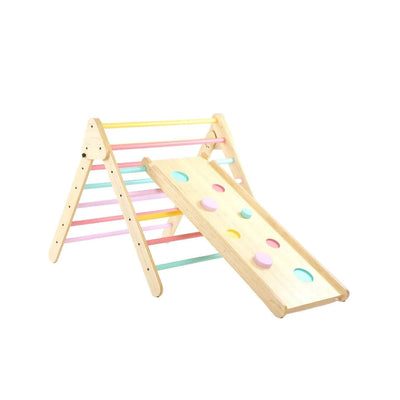
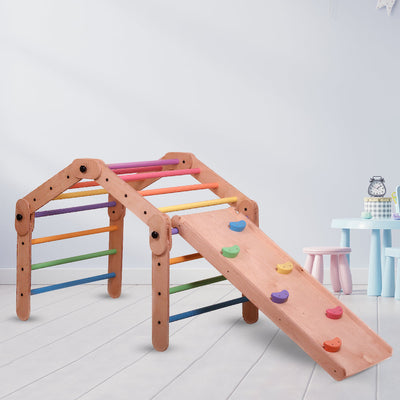
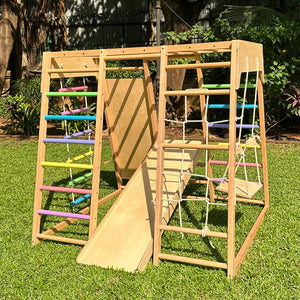
For younger children, setting up a safe play area in a balcony or backyard with a small slide, a sandbox, or Montessori-inspired outdoor play materials can spark hours of active fun. During festivals like Diwali or Sankranti, incorporate traditional outdoor activities, engaging the whole family. Even in colder months, inspired by 'Top Outdoor Winter Games and Activities for Families Across India', bundle up and explore local playgrounds or cycle tracks.
Making outdoor play a regular, cherished part of your family's routine is the most effective way to ensure your child remains active, healthy, and happy. It's not just about limiting screens; it's about offering a compelling, healthier alternative.
- Setting definitive screen time limits for kids is essential to prevent childhood obesity.
- Experts recommend zero screen time for infants and minimal for toddlers.
- For school-aged children, screen time should not exceed 1-2 hours daily.
- Outdoor play provides superior physical, cognitive, social, and emotional benefits over screens.
- Indian families can reduce screen time by designating screen-free zones and engaging in traditional games.
- Consistent outdoor activity directly combats sedentary lifestyles and supports healthy weight management.
What is the recommended screen time for toddlers?
For toddlers aged 18-36 months, child development experts recommend limiting screen time to very short periods, ideally none for passive viewing. Interactive video calls with family are generally considered acceptable.
How does outdoor play help prevent childhood obesity?
Outdoor play encourages physical activity, which burns calories, builds muscle, and improves cardiovascular health. Regular movement and exploration in nature are critical for maintaining a healthy weight and developing gross motor skills.
What are practical ways to reduce screen time for kids in an Indian home?
Indian families can reduce screen time by scheduling dedicated outdoor play, engaging children in household chores, encouraging traditional games with grandparents, and creating device-free zones or times, especially during meals and bedtime.
Are there benefits to outdoor play that screens cannot offer?
Yes, outdoor play offers unique benefits such as sensory stimulation, exposure to natural elements, development of spatial awareness, risk assessment, and social skills through peer interaction, which screens cannot replicate.
How can I encourage my child to play outdoors during different seasons in India?
Encourage outdoor play by adapting to local seasons; during cooler winters, explore parks and playgrounds, and in warmer months, consider early morning or late evening outdoor activities, or creative indoor gross motor play when necessary. Families can draw inspiration from 'Top Outdoor Winter Games and Activities for Families Across India' and adjust for other seasons.