Smartphones Child Obesity Link: Countering Sedentary Impact
Research shows the smartphones child obesity link is a direct, alarming consequence of reduced physical activity and increased sedentary screen time, leading to significant health challenges for Indian children. This critical trend, highlighted recently by The Times of India, demands immediate attention from parents across Bengaluru and beyond, as it compromises healthy development. Purposeful outdoor gross motor play effectively counters this sedentary impact, offering a scientific, holistic solution for robust physical well-being.
What is the Smartphone-Obesity Link?
The smartphone-obesity link refers to the direct causal relationship where increased screen time contributes to childhood obesity by promoting sedentary behaviour and displacing physical activity. This matters because it significantly compromises a child's metabolic health and overall development. Indian parents can counter this by prioritising daily outdoor gross motor play for their children.
The Sedentary Epidemic: Understanding Screen Time Obesity in India
The alarming rise in childhood obesity across India is intrinsically tied to the prevalence of digital devices. When children spend hours glued to smartphones and tablets, they replace active play with passive consumption, leading to lower energy expenditure and increased calorie intake from easily accessible snacks. This sedentary lifestyle is not merely about weight gain; it disrupts metabolism, compromises cardiovascular health, and is a precursor to lifelong chronic diseases.
Studies indicate a worrying trend: Indian children are becoming increasingly inactive. The World Health Organization recommends at least 60 minutes of moderate-to-vigorous physical activity daily for children and adolescents, a benchmark many Indian children fall short of due to academic pressures and pervasive screen use. This shift also correlates with other health issues, such as the rise in myopia (short-sightedness), as noted by Healthcare Radius, and a significant increase in Vitamin D deficiency, as India Today reports, due to less time spent outdoors under the sun.
Countering the Impact: Outdoor Gross Motor Play Benefits
Outdoor gross motor play is the definitive counter-strategy to the smartphones child obesity link. These activities, involving large muscle groups, are essential for burning calories, building muscle strength, improving bone density, and enhancing cardiovascular health. When children run, jump, climb, and balance, they engage their entire body, fostering crucial physical development that sedentary screen time actively inhibits.
Child development experts agree that regular outdoor gross motor play improves coordination, balance, and agility – fundamental skills that lay the groundwork for a healthy, active life. Beyond physical benefits, time spent in nature and active play also significantly reduces stress, improves mood, and enhances cognitive function, making children more focused and emotionally resilient. For a comprehensive range of toys that encourage active movement, explore our Gross Motor Skill collection.
Montessori's Approach: Nurturing Physical Activity for Kids
Maria Montessori's philosophy deeply values movement as integral to learning and development. A Montessori environment, both indoors and outdoors, is designed to encourage exploration, independence, and purposeful physical activity. This approach directly contrasts the passive consumption fostered by screens, empowering children to engage actively with their surroundings and develop robust physical capabilities.
Montessori outdoor activities emphasize sensory engagement and freedom of movement. From balancing on natural logs in a Bengaluru park to climbing child-safe structures, these experiences allow children to test their physical limits, develop spatial awareness, and build confidence. Incorporating such play into daily routines, even amidst school pressure and limited urban spaces, is vital. Grandparents, who often play a significant role in Indian households, can be instrumental in facilitating this crucial outdoor time, creating cherished memories and fostering health. Discover materials that support holistic development in our main Montessori collection.
Practical Steps for Indian Families
Reversing the smartphone-obesity link requires conscious effort and consistent action from parents. Start by setting clear screen time limits and enforcing them consistently, perhaps using a timer or dedicated family screen-free hours. Create a routine that prioritises outdoor play, even if it's just 30 minutes in the society garden or local park.
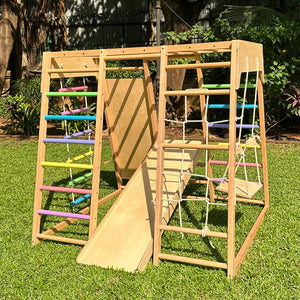
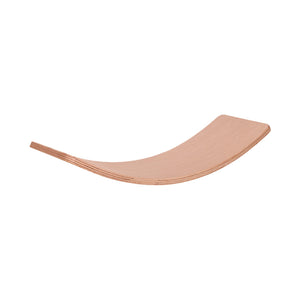
Encourage traditional Indian outdoor games like kho-kho, hopscotch, or hide-and-seek, which not only promote physical activity but also connect children to their cultural heritage. Transform your home's balcony or a small backyard into a stimulating play zone with age-appropriate climbing structures or balancing beams. Remember, every moment of active play contributes significantly to countering sedentary impact and ensuring a healthier, happier childhood.
- The smartphones child obesity link is a scientifically established public health concern in India, driven by sedentary screen time.
- Outdoor gross motor play directly counters childhood obesity by increasing physical activity, burning calories, and strengthening muscles and bones.
- Excessive screen time correlates with increased risks of type 2 diabetes, Vitamin D deficiency, and myopia in Indian children.
- Maria Montessori's philosophy advocates for movement and outdoor exploration as essential for holistic child development.
- Children aged 6-17 years require at least 60 minutes of moderate-to-vigorous physical activity daily, achievable through outdoor play.
- Integrating traditional outdoor games and setting screen time limits are practical strategies for Indian families to foster physical activity.
What are the long-term health risks associated with the smartphone-obesity link in children?
The smartphone-obesity link increases risks for conditions like type 2 diabetes, cardiovascular diseases, sleep disorders, and joint problems in children. These health issues can persist into adulthood, significantly impacting their quality of life and longevity.
How much outdoor play is recommended to counter sedentary behaviour for Indian children?
Child development experts recommend that children aged 3-5 years should have at least three hours of physical activity spread throughout the day, while those aged 6-17 years require at least 60 minutes of moderate-to-vigorous intensity physical activity daily. Incorporating outdoor gross motor play helps meet these vital guidelines.
Can grandparents help encourage outdoor gross motor play for children?
Absolutely. Grandparents, integral to many Indian joint families, play a crucial role by taking children to local parks, engaging them in traditional outdoor games like kho-kho or gilli-danda, or simply supervising free play in a safe outdoor space. Their involvement provides invaluable support and cultural connection.
What specific Montessori activities can promote gross motor skills outdoors?
Montessori outdoor activities for gross motor development include climbing on safe structures, balancing on natural logs in a Bengaluru park, running and jumping games, carrying natural objects, and engaging in purposeful movements like digging or sweeping. These activities build strength, coordination, and proprioception naturally.
How does outdoor play also help with children's mental well-being and academic performance?
Outdoor play significantly reduces stress and anxiety, improves mood, and enhances concentration, all contributing to better mental well-being. Physically active children often show improved cognitive function, memory, and problem-solving skills, which positively impact their academic performance and focus in school.