Sridhar Vembu play in dirt: Essential Montessori Outdoor Play
Sridhar Vembu play in dirt is a crucial call for Indian children's holistic development, directly addressing the pervasive issue of excessive screen time by fostering vital physical, cognitive, and emotional growth. This authoritative stance is backed by child development experts across India, who emphasize the profound benefits of unstructured outdoor exploration and sensory engagement with nature for building resilient minds and bodies.
Montessori outdoor play is a child-led approach to learning within natural environments, emphasizing exploration, discovery, and practical life skills. This matters because it cultivates independence, problem-solving abilities, and a deep connection to the environment, crucial for well-rounded development. Indian parents can facilitate this by providing safe, stimulating outdoor spaces and encouraging free, undirected exploration.
Sridhar Vembu's Vision: The Urgent Need for a Kids Social Media Ban India
India is witnessing a vital national debate around children's digital well-being, sparked by prominent voices advocating for stricter measures. Zoho CEO Sridhar Vembu recently ignited this conversation by asserting that India should consider a social media ban for young children, echoing global concerns about the impact of digital platforms on developing minds. This perspective, supporting stricter regulations like a potential kids social media ban India, resonates deeply with many Indian parents grappling with the challenges of balancing technology and traditional childhood.
The continuous exposure to screens, especially social media, can profoundly affect a child's attention span, creativity, and emotional health. Research shows that excessive screen time, particularly passive consumption of social media, is linked to reduced attention spans, increased anxiety, and even sleep disturbances in young children. Vembu's call for children to instead "read books and play in dirt" is a powerful reminder of the fundamental experiences essential for a robust childhood.
Montessori Outdoor Play Benefits: Nurturing Growth Beyond Four Walls
Maria Montessori herself observed the profound impact of nature on a child's development, advocating for environments that encourage exploration and discovery. Montessori outdoor play benefits children across multiple developmental domains, offering a rich sensory landscape unavailable indoors. This approach allows children to engage all their senses, from the texture of soil to the sounds of birds, fostering a deeper understanding of their surroundings.
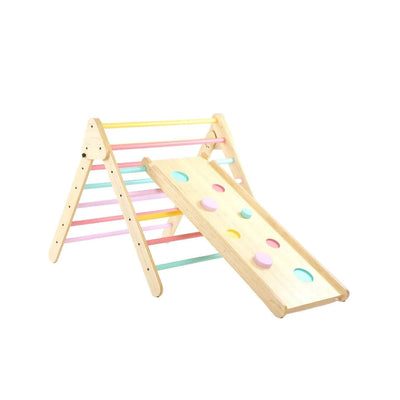
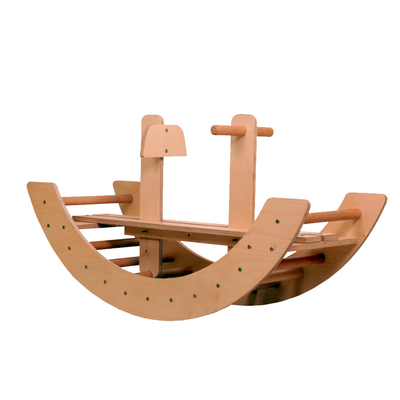
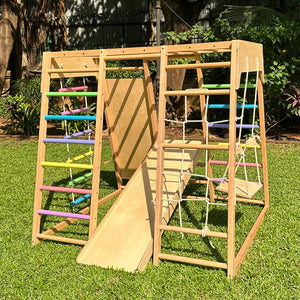
Physically, outdoor play is paramount for developing gross motor skills, balance, coordination, and strength. Running, jumping, climbing, and balancing on uneven surfaces contribute significantly to a child's physical prowess, which is crucial for overall health and confidence. Our range of gross motor skill toys perfectly complements this outdoor learning, encouraging active movement and exploration.
Beyond the physical, outdoor experiences cultivate cognitive and emotional intelligence. Children learn problem-solving as they navigate obstacles, creativity as they build imaginary worlds, and resilience as they adapt to varying weather conditions. Studies indicate that children who spend more time outdoors demonstrate improved cognitive function, enhanced concentration, and lower rates of myopia. Incorporating simple, open-ended educational outdoor toys India parents can easily find, like shovels, buckets, or even magnifying glasses, can amplify these learning opportunities, turning every outdoor adventure into a valuable lesson.
The Timeless Benefits of Playing in Mud for Indian Children
Sridhar Vembu’s advocacy for "playing in dirt" touches upon an age-old wisdom, particularly resonant in India where childhoods traditionally involved extensive outdoor play. The benefits of playing in mud extend far beyond simple fun; they are deeply rooted in a child’s holistic development and even their immune system. Exposure to beneficial microbes found in soil, a concept supported by the "hygiene hypothesis," helps strengthen a child's immune system, potentially reducing the risk of allergies and autoimmune diseases.
Playing in mud is a sensory feast, providing rich tactile input that is crucial for brain development. The squishy, cool, and earthy texture stimulates nerve endings, enhancing sensory processing and fine motor skills as children scoop, pat, and mould. This unstructured play also ignites creativity and imagination, as a simple patch of mud can transform into a kitchen, a construction site, or a bustling village, reflecting the vibrant stories of Indian childhoods. Many Indian grandparents fondly recall their own childhoods spent climbing trees and playing in mud, a stark contrast to today's screen-dominated reality.
Furthermore, playing in mud fosters a deep connection to nature, encouraging children to observe and interact with their environment. It allows for unbounded exploration and experimentation, vital for developing independence and problem-solving skills. Such experiences are invaluable for developing resilience and a grounded sense of self, preparing them for future challenges.
Practical Steps for Indian Parents: Bringing Montessori Outdoors Home
Creating a Montessori-inspired outdoor environment doesn't require vast spaces; even a small balcony or courtyard can be transformed. Start by providing simple, natural elements: a designated "mud kitchen" with old pots and pans, a small patch for digging and planting seeds, or a sensory bin filled with sand, pebbles, and leaves. Encourage children to dress in clothes suitable for getting dirty, liberating them from the fear of mess and allowing for uninhibited exploration.
Child development experts agree that parental presence and minimal intervention are key to fostering true exploration and independence. Observe your child, offer guidance only when necessary, and allow them to lead their play. This approach empowers them to discover solutions, develop patience, and build self-confidence. Integrate practical life skills by involving them in gardening, watering plants, or collecting natural treasures.
Even for urban Indian families, opportunities exist. Regular visits to local parks, community gardens, or nature trails provide invaluable exposure to the outdoors. The emphasis is on fostering curiosity, freedom of movement, and a respectful connection with the natural world, reinforcing the wisdom behind Sridhar Vembu's call for a return to simpler, dirtier, and ultimately richer childhoods.
- Sridhar Vembu advocates for banning social media for young children, emphasizing the critical need for outdoor play.
- Montessori outdoor play significantly boosts physical, cognitive, and emotional development in children.
- Playing in mud strengthens the immune system, enhances creativity, and provides crucial sensory input for development.
- Excessive screen time is definitively linked to negative impacts on children's attention spans and mental well-being.
- Indian parents can easily create stimulating, Montessori-inspired outdoor environments even in urban settings.
- Authoritative sources agree that unstructured outdoor play is vital for a child's holistic growth and resilience.
Why is Sridhar Vembu advocating for kids playing in dirt?
Sridhar Vembu advocates for kids playing in dirt to counter the negative effects of excessive screen time and social media. He believes this traditional form of outdoor play fosters genuine physical, mental, and emotional development, connecting children with nature and essential life skills.
What are the key Montessori outdoor play benefits for Indian children?
Montessori outdoor play benefits Indian children by enhancing gross motor skills, sensory integration, problem-solving abilities, and emotional regulation. It promotes independence, creativity, and a deeper understanding of the natural world, aligning with holistic development principles.
How does playing in mud benefit a child's health?
Playing in mud benefits a child's health by exposing them to beneficial microbes that strengthen the immune system and reduce allergy risks, a concept supported by the 'hygiene hypothesis.' It also provides crucial sensory stimulation, fosters creativity, and helps in stress reduction.
What is the recommended screen time for children, according to experts in India?
Pediatricians and child development experts in India generally recommend no screen time for children under 18-24 months, except for video chatting with family. For children aged 2-5 years, a maximum of one hour per day of high-quality programming, co-viewed with a parent, is advised.
What kind of educational outdoor toys India parents can use to encourage outdoor play?
Indian parents can use simple, open-ended educational outdoor toys such as shovels, buckets, magnifying glasses, watering cans, and natural materials like stones and leaves. These tools encourage exploration, imaginative play, and practical life skills, complementing the Montessori approach to learning in nature.