Sridhar Vembu Play in Dirt: Why Tech Leaders Urge Outdoor Fun
The recent call by Indian tech leader Sridhar Vembu for children to 'play in dirt' rather than engage with social media underscores a crucial shift in parenting philosophy, advocating for robust outdoor and gross motor play. This sentiment, echoed by global figures like Sam Altman, highlights a growing consensus among leaders: disconnecting from screens and reconnecting with nature is paramount for a child's holistic development.
Indian parents are increasingly seeking practical ways to nurture their children's physical and mental well-being in a screen-saturated world. The push for screen-free engagement directly addresses concerns about digital addiction and promotes the foundational benefits of unstructured outdoor exploration and active physical play.
Sridhar Vembu's Vision: The Call for Screen-Free Childhood
Sridhar Vembu, the visionary founder of Zoho, has sparked a vital conversation across India, advocating for a societal shift away from early social media exposure for children. His powerful message, urging kids to "read books and play in dirt," resonates deeply within Indian households grappling with digital challenges. This isn't just about limiting screen time; it's a profound call to reclaim childhood through tangible, enriching experiences.
This perspective gains further weight when considering global tech leaders like Sam Altman, who also publicly restrict their children's screen access, prioritizing outdoor activities. Child development experts agree that a childhood rich in physical interaction, imagination, and real-world exploration lays a stronger foundation for cognitive, emotional, and social health than digital engagement ever could. India, with its vibrant culture of community and outdoor games, is perfectly positioned to embrace this return to basics.
The Profound Benefits of Outdoor Play for Indian Children
Outdoor play offers a treasure trove of developmental advantages, especially for children growing up in bustling Indian cities or serene rural settings. Engaging with nature, whether in a Bengaluru park or a village courtyard, significantly boosts a child's physical health, cognitive abilities, and emotional resilience. It's not merely recreation; it's essential education.
Research shows that children who spend more time outdoors exhibit better concentration, problem-solving skills, and creativity. They develop a deeper connection to their environment, fostering curiosity and a sense of wonder. For Indian families, who often gather outdoors during festivals or for simple evening walks, this natural connection is already deeply ingrained and can be further nurtured.
What is Gross Motor Play?
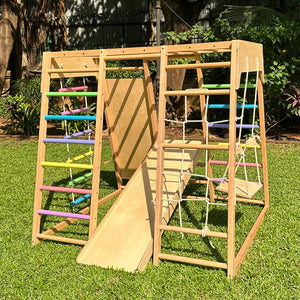
Gross motor play involves movements that use large muscles in the body, such as walking, running, jumping, throwing, and climbing. This matters because it develops strength, balance, coordination, and spatial awareness, which are critical for physical health and future learning. Indian parents can encourage this through active games, park visits, and structured physical activities.
Montessori Principles & the Magic of 'Dirt Play'
Maria Montessori, the pioneer of the Montessori method, championed a philosophy where children learn through direct experience with their environment. Her approach naturally aligns with the concept of "play in dirt" and extensive outdoor engagement. Montessori classrooms often feature "practical life" activities that mirror real-world tasks, fostering independence and fine motor skills.
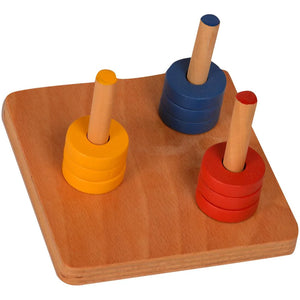
Bringing Montessori principles outdoors means allowing children to freely explore, interact with natural elements like soil, water, and plants, and engage in unstructured play. This hands-on interaction stimulates multiple senses, enhances problem-solving abilities, and builds a fundamental understanding of the world around them. SkilloToys offers a range of Montessori learning materials that complement this holistic approach, even when brought into an outdoor setting.
Beyond Screens: Practical Screen Time Alternatives for Indian Homes
Transitioning from screen time to active play requires creativity and commitment from parents. In Indian joint families, grandparents can play a pivotal role, sharing traditional stories or engaging children in classic games like kho-kho or kabaddi. The key is to offer compelling alternatives that capture a child's imagination and energy.
Studies indicate that setting clear boundaries for screen usage and consistently offering enriching activities significantly improves children's engagement with physical play. Consider simple activities like gardening, creating a mud kitchen, building a fort with old sarees and cushions, or visiting local parks. These alternatives not only reduce screen dependency but also strengthen family bonds.
Fostering Gross Motor Skills for a Strong Foundation
Gross motor skills are the building blocks for almost all physical activities and contribute significantly to a child's overall confidence and development. From the toddler learning to walk at 18-24 months to the preschooler mastering cycling, these skills are continuously refined through active play. Encouraging activities like running, jumping, balancing, and climbing is crucial.
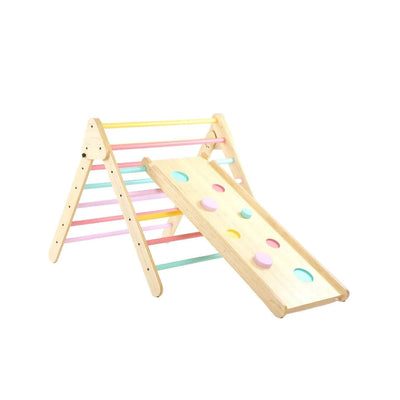
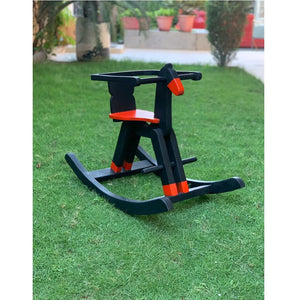
Our collection of gross motor skill development toys provides excellent resources for parents aiming to boost their child's physical prowess. Simple, accessible play, like chasing a ball in the backyard or navigating an obstacle course made from household items, provides invaluable exercise for these vital skills. Regular physical activity not only strengthens muscles but also improves coordination and spatial awareness, essential for school readiness and everyday tasks.
Embracing the Call: A Healthier, Happier Indian Childhood
Sridhar Vembu's advocacy for children to "play in dirt" serves as a powerful reminder of the simple yet profound needs of childhood. As Indian parents navigate the complexities of modern life, prioritizing outdoor and gross motor play becomes an act of intentional parenting, ensuring a balanced and enriching upbringing. Let us embrace this call, encouraging our children to explore, imagine, and grow through the boundless wonders of the outdoors.
- Indian tech leader Sridhar Vembu advocates for children to "play in dirt" and read books, urging a ban on social media for kids.
- Outdoor play is crucial for developing physical health, cognitive skills, and emotional resilience in children.
- "Dirt play" enhances sensory integration, boosts immunity, and fosters creativity through hands-on exploration.
- Montessori principles support extensive outdoor engagement and practical life skills learned through environmental interaction.
- Reducing screen time requires offering compelling alternatives like gardening, traditional Indian games, and family outdoor activities.
- Gross motor skills, developed through active play, are foundational for balance, coordination, strength, and overall child development.
Why is outdoor play important for Indian children?
Outdoor play is crucial for Indian children as it fosters physical development, enhances cognitive skills, and boosts emotional well-being by providing sensory experiences and opportunities for unstructured exploration. It directly counteracts sedentary lifestyles often associated with excessive screen time, promoting healthier habits from a young age.
What are the benefits of 'dirt play' for child development?
Dirt play offers immense developmental benefits, including boosting immunity through exposure to microbes, stimulating creativity, and enhancing sensory integration. It encourages fine and gross motor skills as children dig, scoop, and build, providing a rich, hands-on learning environment essential for early childhood growth.
How can parents reduce screen time for kids in India?
Parents can reduce screen time by establishing clear family rules, offering engaging alternatives like outdoor excursions, creative arts, and reading, and leading by example. Encouraging involvement in household chores, traditional Indian games, and Montessori-inspired activities also provides enriching, screen-free engagement.
What role do gross motor skills play in a child's growth?
Gross motor skills are foundational to a child's overall development, enabling balance, coordination, strength, and spatial awareness necessary for everyday tasks and advanced physical activities. These skills are essential for healthy posture, self-confidence, and even cognitive functions like attention and learning.
Is Montessori education relevant for outdoor and physical play?
Yes, Montessori education strongly supports outdoor and physical play, emphasizing practical life skills, sensory exploration, and connection with nature as integral to a child's learning journey. Maria Montessori advocated for freedom of movement and interaction with the environment, which naturally extends to rich outdoor experiences.