Toddler Developmental Milestones & Outdoor Play
Embracing toddler developmental milestones outdoor play is unequivocally essential for holistic growth, directly addressing the modern challenge of excessive screen time among Indian children. Research shows that engaging with nature and physical activity provides the critical sensory input and movement necessary for developing foundational skills.
Outdoor play for toddler development is any unstructured activity a young child engages in outside, using their body and senses to explore their environment. This matters immensely because it directly fuels gross motor, cognitive, and social-emotional growth, all of which are increasingly impacted by sedentary screen habits. Indian parents can proactively integrate daily outdoor adventures to ensure their children hit vital developmental markers and thrive physically and mentally.
Gross Motor Skill Development Toddlers: The Foundation of Movement
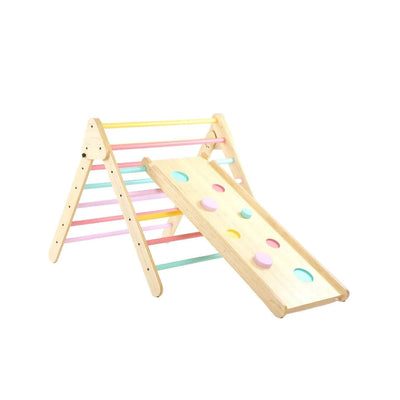
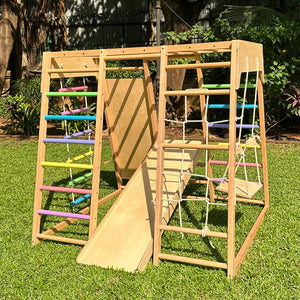
Outdoor play is paramount for gross motor skill development toddlers require to build strength, balance, and coordination. Activities like running on grass, climbing a small play structure, or even just navigating uneven ground strengthen core muscles and improve proprioception.
Child development experts agree that unrestricted movement is far superior to structured exercises for toddlers. In India, whether it's playing hopscotch in the courtyard or simply chasing pigeons in a local park, these spontaneous actions refine their ability to crawl, walk, jump, and balance, laying crucial physical groundwork. Even amidst concerns about early heatwaves, adapting outdoor play to cooler morning or evening hours ensures children can safely build these essential skills.
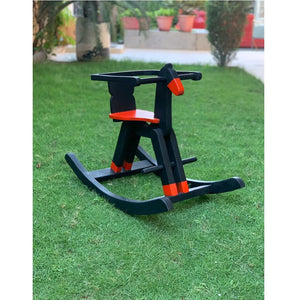
Montessori philosophy champions freedom of movement, and outdoor environments naturally provide the 'prepared environment' for this. Providing access to simple gross motor skill toys like balancing beams or pushcarts encourages intentional movement. This active engagement helps toddlers not just move, but also understand their bodies in space, a critical step towards more complex physical tasks.
Countering Screen Time Impact on Toddler Development: Cognitive Gains Outdoors
Outdoor exploration directly counters the negative screen time impact on toddler development by stimulating diverse cognitive functions that screens simply cannot. Nature presents an ever-changing, multi-sensory environment that encourages problem-solving, observation, and imaginative play.
When a toddler encounters a new leaf, feels the texture of mud, or watches ants march, they are engaging their brains in complex ways. This hands-on learning fosters curiosity, concentration, and creativity, which are foundational for academic readiness. In contrast, passive screen viewing often leads to shorter attention spans and reduced engagement with the real world, contributing to the alarming rise of myopia in Indian children, as highlighted by healthcare reports.
Maria Montessori emphasized learning through the senses, and the outdoors offers a rich tapestry of sensorial experiences – the smell of wet earth, the sound of birds, the varied colours of flowers. These experiences build strong neural pathways, promoting better memory and logical thinking, far beyond what any digital app can provide.
Nurturing Early Childhood Development India: Social-Emotional Growth in Nature
For robust early childhood development India wide, fostering social-emotional skills is as vital as physical and cognitive growth. Outdoor settings naturally encourage interaction, cooperation, and empathy among toddlers, skills often overlooked in individual screen time.
Playing with other children in a park or even alongside siblings and cousins during family gatherings fosters critical social dynamics. They learn to share, take turns on a swing, communicate desires, and resolve minor conflicts, building crucial social intelligence. The presence of grandparents, a cornerstone of many Indian joint families, often provides a supportive, encouraging environment for such play, sharing traditional outdoor games and stories.
These experiences contribute significantly to a child's emotional regulation and self-confidence. Navigating a small challenge outdoors, like climbing a gentle slope or scooping sand, builds resilience and a sense of accomplishment. This holistic development prepares them for social interactions and future school environments, reducing anxiety and promoting a positive self-image.
Montessori Outdoor Activities Toddlers Love: Practical Ways to Engage
Integrating Montessori outdoor activities toddlers will genuinely enjoy requires thoughtful preparation and a child-led approach. These activities leverage nature's classroom to enhance concentration, practical life skills, and sensorial learning.
Consider setting up a small 'gardening corner' on a balcony with child-safe tools, where toddlers can water plants or tend to herbs – a wonderful practical life activity. A simple 'nature basket' filled with leaves, stones, and flowers encourages classification and sensory exploration, aligning perfectly with Montessori's sensorial materials. Even a daily walk to collect interesting natural items like pebbles or seeds can become a focused, educational activity, fostering a love for discovery.
Encourage 'free play' where children can direct their own adventures, perhaps building a fort with blankets and branches, or creating mud pies. SkilloToys offers a range of Montessori-inspired educational materials that seamlessly transition from indoor to outdoor play, supporting your child's natural inclination to learn and explore their world.
Reclaiming Childhood with Outdoor Adventures
The conversation around children's development in India, especially concerning screen time, is urgent and vital. Prioritizing outdoor play is not just an option but a necessary step to ensure our toddlers reach their full potential. It’s a return to basics, harnessing the power of nature to build strong bodies, sharp minds, and compassionate hearts.
By consciously dedicating time and creating opportunities for outdoor exploration, Indian parents can effectively counteract the pitfalls of excessive screen use. This proactive approach ensures that every child can joyfully achieve their developmental milestones, growing into resilient, curious, and well-rounded individuals, ready to embrace the world around them.
- Outdoor play is crucial for toddler developmental milestones, directly countering screen time impacts.
- Gross motor skills like running and balancing are significantly enhanced by unstructured outdoor physical activity.
- Nature-based play stimulates cognitive development, improving problem-solving, creativity, and attention span.
- Social-emotional growth, including sharing and empathy, thrives in collaborative outdoor environments.
- Child development experts recommend 60-90 minutes of daily unstructured outdoor play for toddlers.
- Montessori principles advocate for child-led outdoor exploration to foster practical life and sensorial learning.
How much outdoor play do toddlers need daily?
Child development experts recommend that toddlers (ages 1-3) engage in at least 60-90 minutes of unstructured outdoor play daily. This duration can be broken into several shorter sessions throughout the day to fit into a busy family schedule.
What are simple outdoor activities for toddlers in urban India?
Simple activities include playing in a safe park, chasing bubbles, drawing with chalk on a veranda, collecting leaves, or even just exploring a community garden. These encourage free movement and sensory engagement, crucial for healthy development.
How can outdoor play reduce screen time for toddlers?
Engaging toddlers in consistent and exciting outdoor routines naturally reduces their desire for screen time by offering more stimulating and interactive alternatives. Outdoor play provides novelty, challenges, and opportunities for social interaction that screens cannot replicate.
Is outdoor play safe for toddlers during Indian heatwaves?
During heatwaves, outdoor play should be limited to cooler parts of the day, such as early mornings or late evenings. Ensure children are well-hydrated, wear light clothing, and apply sunscreen, prioritizing shade and avoiding peak sun hours to prevent dehydration and fatigue.
What if I don't have a garden or park nearby for outdoor play?
Even small spaces like balconies or rooftops can be transformed into play areas with child-safe mats and a few Montessori-inspired materials like a mini watering can or a sensory bin with natural elements. Exploring nearby streets, community courtyards, or even a local market (with supervision) offers valuable outdoor exposure.