Toys for 4 Year Old Boys: Boost Balance & Agility Outdoors
The search for ideal toys for 4 year old boys often leads parents to seek options that do more than just entertain; they need to build foundational physical skills. At this vibrant age, encouraging robust outdoor play with Montessori-inspired materials is crucial for developing balance, coordination, and agility, which are critical for both physical health and cognitive growth. This period is essential for consolidating gross motor skills, transforming raw energy into purposeful movement.
In an era increasingly dominated by screens and the buzz of AI, as highlighted by India Today's observation that "the playground could be the classroom children need most," the value of physical activity cannot be overstated. For many Indian families, especially those in urban centres like Bengaluru, finding space and time for outdoor play can be a challenge amidst school pressure and tuition classes. Yet, child development experts agree that this seemingly simple play is where complex neural pathways for learning, focus, and emotional regulation are truly forged. The Supreme Court's hearing on whether sports should be a fundamental right further underscores society's growing recognition of physical activity's importance.
What are Montessori Gross Motor Skills?
Montessori gross motor skills development focuses on purposeful movement, fostering independence, and building strength, balance, and coordination through hands-on activity. This matters because a strong physical foundation supports fine motor control, cognitive development, and a child's overall confidence. Indian parents can integrate these principles by providing open-ended outdoor toys that invite exploration and physical challenge.
Nurturing Balance with Outdoor Toys for 4 Year Old Boys
Balance is a cornerstone of all physical activity, influencing everything from walking gracefully to standing still. For 4-year-old boys, refining their balance directly impacts their ability to navigate their world safely and confidently. Research shows that children with strong balance skills demonstrate better spatial awareness and are less prone to falls.
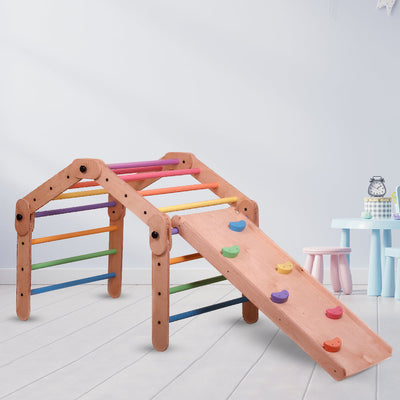
Montessori-inspired gross motor toys that target balance include wooden balance beams, stepping stones, and wobble boards. Imagine your child, like young Rohan in a Mumbai apartment building, carefully walking across a low beam, his arms outstretched, concentrating intently. This isn't just play; it's intense brain work, training his vestibular system and proprioception – his sense of body position. Offering these experiences outdoors, whether in a garden or a community park, enhances the challenge with varied surfaces and natural elements.
The beauty of these materials lies in their simplicity. They invite a child to figure things out independently, building resilience alongside physical prowess. Encourage them to try different ways to cross a balance beam – forwards, backwards, or even sideways. This self-directed exploration is a hallmark of the Montessori approach.
Enhancing Coordination Through Active Play
Coordination, the ability to use different parts of the body together smoothly and efficiently, is another critical skill for a 4-year-old. This involves both hand-eye and bilateral coordination. Studies indicate that well-developed coordination at this age correlates with improved performance in academic tasks requiring fine motor control, such as writing and drawing, later on.
For parents seeking Montessori outdoor toys that foster coordination, consider items like tricycles or push bikes. The act of pedalling and steering simultaneously demands significant bilateral coordination. Throwing and catching large, soft balls also works wonders for hand-eye coordination. You might see a child like Priya in Chennai, trying to catch a ball with her Dadi, giggling as she refines her aim and grasp.
Creating simple outdoor games, like throwing beanbags into hoops or playing 'follow the leader' with varied movements, can also significantly boost coordination. These activities make learning fun and organic, perfectly aligning with the Montessori philosophy that children learn best through active engagement rather than passive instruction.
Developing Agility with Purposeful Movement
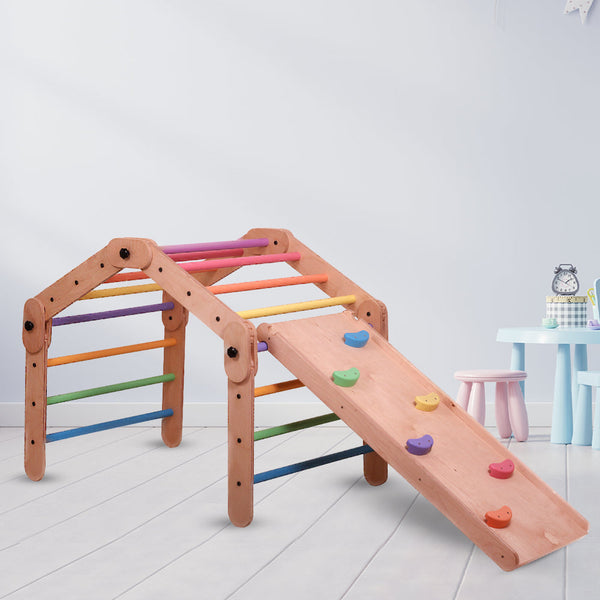
Agility is the ability to change the body's position quickly and efficiently while maintaining balance. For a 4-year-old boy, this translates into being able to dodge, weave, jump, and run with fluidity – skills that are essential for playground games and sports alike. Agility toys for children are those that encourage dynamic movement and quick decision-making.
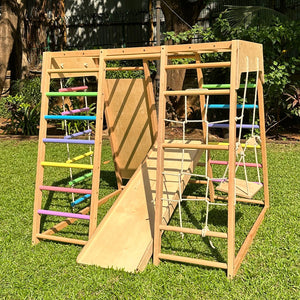
Think about setting up a mini obstacle course in your backyard or a local park. Use cushions, low tunnels, and small cones to create a path for your child to navigate. They might have to crawl under a sheet, jump over a log, or weave around cones. This kind of "risky" play, where children assess their environment and make quick adjustments, is incredibly valuable. The American Academy of Pediatrics recommends unstructured, active play for optimal child development.
This approach moves beyond simply entertaining your child; it empowers them to test their physical limits, solve movement challenges, and build confidence in their own capabilities. Whether it's chasing after a rolling ball or attempting a new climb, these moments are vital for their holistic growth.
Bringing Montessori Principles Home, Outdoors
Integrating Montessori principles into your child's outdoor play doesn't require a large dedicated space or expensive equipment. It's about intentionality. Focus on providing opportunities for your child to move freely, explore their physical abilities, and engage with simple, purposeful materials. The joy on a child's face when they finally master a new physical challenge – like balancing on one foot or pedalling their tricycle without help – is invaluable.
Remember, the goal is not to force development but to provide a rich, supportive environment where it can flourish naturally. By choosing the right outdoor toys for 4 year old boys that foster balance, coordination, and agility, you're not just helping them burn energy; you're laying crucial groundwork for their physical and cognitive health, empowering them to become confident, capable individuals ready to navigate the world around them.