Toys for 4 Year Old Boys: Designing a Montessori Outdoor Play Space
Creating a Montessori outdoor play space for 4-year-old boys provides an essential, prepared environment that fosters independence, gross motor skills, and a deep connection with nature. Research shows that integrating purposeful outdoor play, supported by thoughtfully chosen toys for 4 year old boys, significantly boosts physical and cognitive development. This guide empowers Indian parents to design an engaging, DIY outdoor area that encourages healthy, active exploration, moving beyond screens and into sunshine.
A Montessori outdoor play space is a carefully prepared environment designed to encourage a child's natural inclination to explore, move, and learn independently outdoors. This matters because it allows 4-year-olds to develop essential gross motor skills, problem-solving abilities, and a love for the natural world. Indian parents can create such a space using readily available materials and a child-centric approach.
Why a Montessori Outdoor Play Space is Crucial for 4-Year-Old Boys
In an age where digital screens increasingly dominate children's attention, the importance of outdoor play cannot be overstated. Recent discussions, even from figures like Zoho's Sridhar Vembu, advocate for banning social media for young children, urging them instead to read books and 'play in dirt.' This sentiment aligns perfectly with Montessori principles, which champion hands-on learning and nature immersion.
Studies consistently indicate that children spending more time indoors are at a higher risk of conditions like Vitamin D deficiency, a growing concern in India despite abundant sunshine. A well-designed outdoor space combats this directly, providing crucial sunlight exposure and a natural arena for physical activity. It’s an investment in their long-term health and well-being, fostering a balanced childhood.
Principles for Designing Your Montessori Outdoor Play Space
Designing an effective Montessori outdoor play space revolves around a few core principles that encourage independence, exploration, and development. Think of it as an extension of your home, where the natural world becomes the primary classroom. This environment should be accessible, inviting, and stimulating for your growing child.
Emphasize Natural Elements & Sensory Exploration
Maria Montessori firmly believed in connecting children with nature. Incorporate elements like sand, water, mud, stones, and plants. These natural materials offer endless opportunities for sensory exploration, fostering curiosity and scientific thinking as your child observes, touches, and manipulates them.
Allowing children to interact with natural textures and temperatures helps develop their tactile senses and understanding of the world. Simple activities like watering plants or digging for worms can be profoundly engaging and educational, teaching responsibility and ecological awareness from a young age.
Create Zones for Diverse Activities
Just like an indoor Montessori environment, an outdoor space benefits from clearly defined areas for different types of play. These zones encourage children to choose activities independently and engage deeply. Consider areas for gross motor activities, quiet contemplation, sensory play, and imaginative scenarios.
Having dedicated zones helps maintain order and allows multiple children to play simultaneously without conflict, a practical consideration for many Indian joint families. Each zone should offer specific materials and opportunities that cater to different developmental needs and interests of 4-year-old boys.
Prioritize Safety & Accessibility
Safety is paramount in any play area. Ensure all materials are non-toxic, surfaces are level, and any climbing structures are age-appropriate and sturdy. Regular checks for hazards like sharp objects or loose parts are essential. Make sure the space is easily accessible for your child, allowing them to move freely and independently without constant adult intervention.
Accessibility also means placing tools and materials within their reach, fostering their ability to choose and put away items themselves. This cultivates a sense of responsibility and ownership over their play environment, a key Montessori tenet.
DIY Outdoor Play Ideas for 4-Year-Olds in Indian Homes
Transforming your backyard, terrace, or even a spacious balcony into a dynamic Montessori outdoor play space doesn't require extensive renovations. Many engaging activities can be set up using readily available, cost-effective materials, perfectly suited for Indian homes and climates. The focus is on functionality and fostering development.
The 'Gross Motor Play Area' Corner
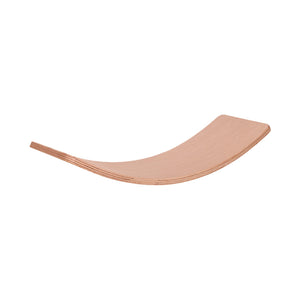
Dedicate a specific corner to encourage physical prowess. Simple additions like stepping stones (made from painted rocks or wooden logs), a low balance beam, or even a small, sturdy stool can become platforms for balancing, jumping, and climbing. These activities are crucial for developing balance, coordination, and strength in 4-year-old boys.
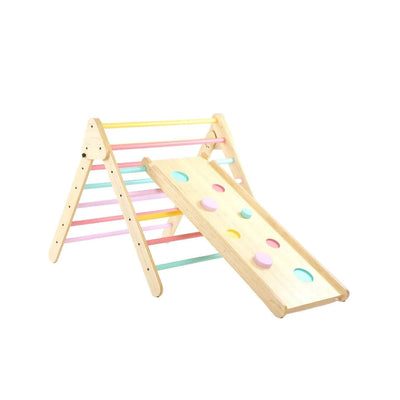
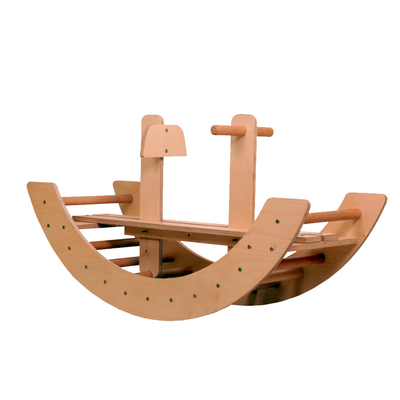
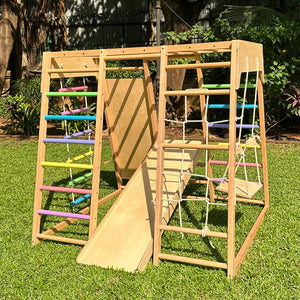
Consider incorporating items that encourage climbing and crawling, which are vital for proprioceptive development. SkilloToys.com offers a range of gross motor skill toys that are perfect for this, from wooden arches to climbing ladders, all designed for safe, active play in your DIY gross motor play area.
Sand & Water Play Oasis
A simple sandpit or a large tub for water play provides hours of engagement. Children naturally gravitate towards sand and water, using them for pouring, scooping, building, and sensory exploration. Add natural items like shells, small stones, and leaves, alongside child-sized shovels and buckets.
For urban dwellers, a large plastic storage bin can double as a portable sand or water table on a balcony. This kind of play enhances fine motor skills, mathematical concepts (volume, measurement), and imaginative storytelling, making it a cornerstone of any outdoor play space.
Nature Exploration & Gardening Nook
Set aside a small patch for a child's garden. Even a few pots with easy-to-grow plants like marigolds, tulsi, or small herbs can ignite a child's interest in botany and life cycles. Provide child-friendly gardening tools, a small watering can, and encourage them to plant seeds, water, and observe growth.
This 'nature exploration' nook connects children directly to the earth, teaching patience, responsibility, and an appreciation for living things. It's a wonderful way to introduce basic science concepts and foster a sense of wonder about the natural world around them, even in a bustling city.
Imaginative & Creative Zones
Provide open-ended materials that spark imagination. A few large cardboard boxes can become a fort, a rocket, or a small house. Old fabric scraps can be used for dress-up or creating shelters. Incorporate natural loose parts like pinecones, leaves, and sticks for creative construction.
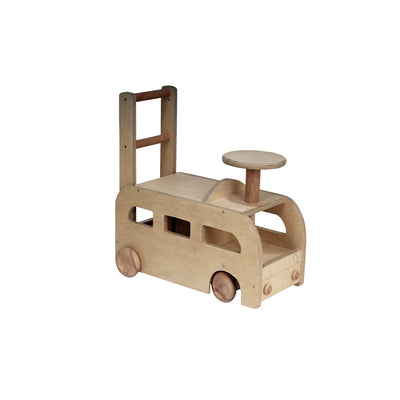
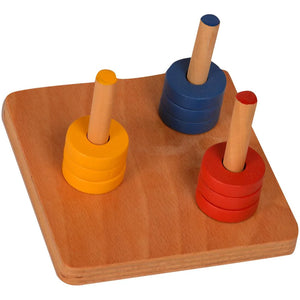
These elements allow children to direct their own play, developing problem-solving skills, social interaction, and creativity. Montessori educational materials, like open-ended wooden blocks or natural stacking toys, can seamlessly extend imaginative play from indoors to your outdoor environment.
Integrating Educational Toys for Kids Effectively
The beauty of a Montessori outdoor play space is its ability to seamlessly integrate educational toys. Instead of simply buying 'kids learning toys,' choose items that complement the natural environment and encourage specific developmental areas. For 4-year-old boys, look for items that support gross motor development, sensory exploration, and practical life skills.
Consider puzzles that can be done on an outdoor mat, art supplies like chalk or washable paints for outdoor canvases, or simple construction sets that withstand the elements. These tools become extensions of their learning, enriching their outdoor experiences and reinforcing the skills they are developing through play.
Nurturing Growth: The SkilloToys.com Advantage
At SkilloToys.com, we understand the unique developmental needs of Indian children and the desire of parents to provide the best environment for them. Our curated selection of Montessori educational toys is designed to support the very principles outlined for your outdoor play space, encouraging independence, natural exploration, and holistic development.
By choosing high-quality, purpose-driven toys, you enhance the effectiveness of your DIY outdoor play area, ensuring that every moment spent outdoors is an opportunity for profound learning and growth. We believe in empowering parents to create spaces where children can truly thrive, naturally and joyfully.
- Creating a Montessori outdoor play space significantly boosts the physical and cognitive development of 4-year-old boys.
- Outdoor play directly combats issues like screen time overuse and Vitamin D deficiency, promoting healthier children.
- Designing zones for gross motor, sensory, and imaginative play encourages diverse skill development.
- Utilising natural elements like sand, water, and plants fosters deep sensory exploration and a connection with nature.
- Prioritising safety and accessibility ensures children can engage independently and confidently in their play environment.
- Integrating educational toys that support open-ended play enhances learning and skill development in the outdoor setting.
What is the ideal size for a Montessori outdoor play space?
The ideal size for a Montessori outdoor play space is not fixed; it depends on your available area. Even a small balcony or a corner of a backyard can be transformed effectively. Focus on creating distinct zones and ensuring enough space for movement rather than a specific square footage.
How do I choose the right educational toys for outdoor play?
Choose educational toys that encourage open-ended play, natural exploration, and gross motor development. Look for materials like sturdy wooden blocks, sand play tools, gardening kits, and balance beams that align with Montessori principles. Ensure they are durable and safe for outdoor conditions.
Can I create a Montessori outdoor play space in an urban apartment?
Yes, you can absolutely create a Montessori outdoor play space in an urban apartment, even on a small balcony or terrace. Focus on vertical gardening, small water/sand bins, and portable gross motor elements like stepping stones or a mini-climbing arch. Maximise your vertical space efficiently.
How often should my 4-year-old play in the outdoor space?
Child development experts recommend that 4-year-olds engage in at least 60 minutes of active outdoor play daily. Encourage your child to use their Montessori outdoor play space as frequently as possible, ideally multiple times throughout the day, weather permitting, to foster consistent physical activity and exploration.
What are the benefits of gross motor play for 4-year-old boys?
Gross motor play is fundamental for 4-year-old boys as it develops strength, balance, coordination, and spatial awareness. Research indicates that robust gross motor skills are linked to improved cognitive function and readiness for school. It also provides an essential outlet for their abundant energy, reducing sedentary screen time.