Transitioning Kids from Screens to Outdoor Play
Effectively guiding children through the transition from screens to outdoor play is a paramount concern for parents across India, especially given recent calls by experts like Sridhar Vembu to prioritize 'play in dirt' over digital engagement. This guide, rooted in Montessori principles, provides a clear, actionable pathway for Indian families to foster a love for physical activity and nature in their little ones. Studies indicate that excessive screen time negatively impacts physical and cognitive development, making a structured approach essential.
Transitioning children from screens to outdoor play involves a deliberate, gradual process of replacing digital engagement with stimulating physical activities in natural environments. This matters because it directly combats issues like rising Vitamin D deficiency and supports crucial gross motor skill development, vital for holistic child growth. Indian parents can implement this by creating accessible outdoor play opportunities and engaging children with purpose-driven educational toys.
The Screen Time Challenge: A Modern Indian Dilemma
The ubiquity of digital devices has transformed childhood, and in India, concerns about escalating screen time are reaching a critical point. Recent reports, including Sridhar Vembu's call for stricter regulations on social media for young children, underscore a societal shift. Pediatricians also highlight a worrying trend: more screens mean less sunshine, contributing to a rise in Vitamin D deficiency among Indian children, as reported by India Today.
Research consistently shows that prolonged screen exposure can hinder cognitive development, reduce attention spans, and impact physical health. The constant stimulation of screens often leaves children less inclined towards self-directed play, crucial for fostering creativity and problem-solving skills. For busy Indian families, navigating school pressure and modern lifestyles, finding practical ways to shift this dynamic is essential.
Montessori Principles: Nurturing a Love for the Outdoors
Maria Montessori's philosophy deeply values the child's connection with nature and hands-on learning. She believed in creating a 'prepared environment' that encourages independence, exploration, and a natural love for discovery. Applying these principles to outdoor play means providing rich, stimulating experiences that naturally draw children away from passive screen engagement.
Child development experts agree that unstructured outdoor play is vital for building gross motor skills, enhancing sensory perception, and boosting resilience. Instead of demanding children go outside, the Montessori approach inspires them to seek out the outdoors, making the transition feel like an exciting adventure rather than a chore. This gentle encouragement fosters intrinsic motivation for physical activity.
Step-by-Step Guide: Making the Gentle Switch
1. Gradually Reduce Screen Time
Abruptly removing screens can lead to frustration. A more effective strategy to reduce screen time for kids involves a phased approach. Start by setting clear, consistent time limits and communicate these expectations calmly. For example, for toddlers (18-36 months) and preschoolers (3-6 years), define specific screen-free hours each day, perhaps before breakfast or after school, allowing them to anticipate and adapt.
2. Introduce Engaging Outdoor Alternatives
Before screen time ends, present enticing outdoor activities. Offer choices that spark their interest, whether it's watering plants in the garden with their grandparents, going to the local park, or simply exploring the backyard. These screen time alternatives should be readily available and inviting, making the switch feel like a natural progression to more exciting play.
3. Create a Prepared Outdoor Environment
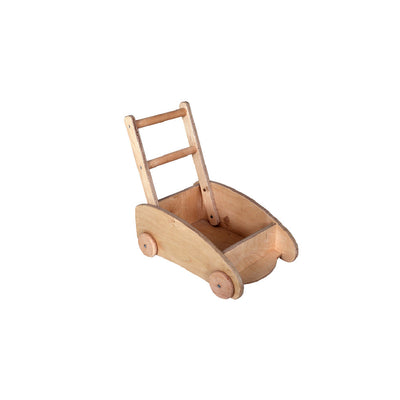
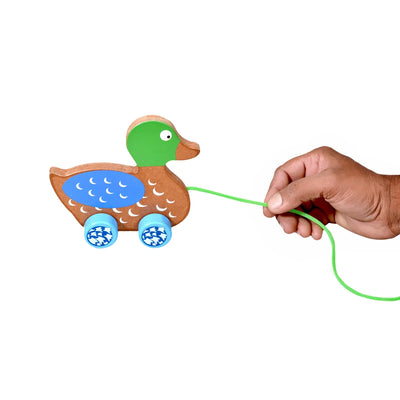
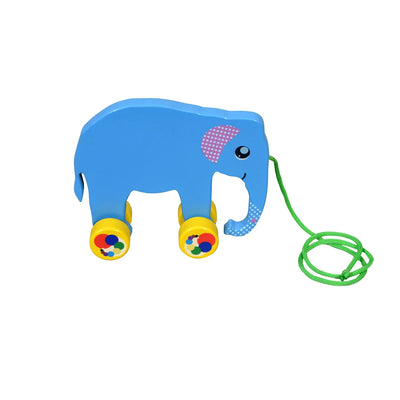
Inspired by Montessori's concept, ensure your outdoor space is safe, accessible, and rich with possibilities. Simple additions can make a big difference. Think about creating a mud kitchen, a small sandpit, or a designated area for gross motor play. SkilloToys offers a range of Montessori educational toys designed to stimulate physical activity and imaginative play, perfect for creating such an environment.
4. Lead by Example and Engage Actively
Children are keen observers. When parents and older family members actively participate in outdoor activities, it sends a powerful message. Join them for a walk, play a simple game of catch, or work together on a gardening project. Your enthusiasm for nature and physical activity will be contagious, encouraging your child to embrace the outdoors with joy and curiosity.
Enhancing Outdoor Play with SkilloToys' Educational Toys
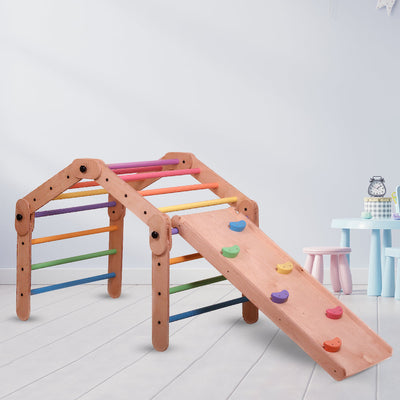
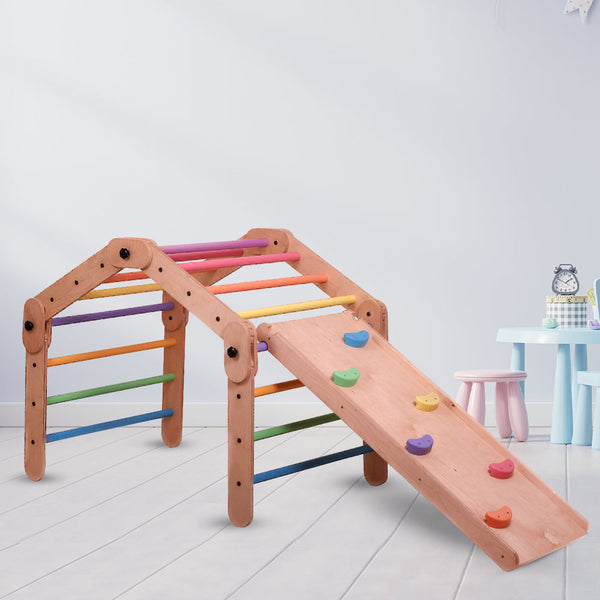
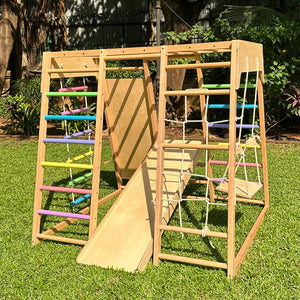
Investing in age-appropriate, purpose-driven kids learning toys can significantly boost the appeal of outdoor play. For developing foundational strength and balance, items like balance beams, stepping stones, and climbing arches are excellent gross motor toys. These Montessori outdoor toys are not just fun; they are carefully designed to support physical development and problem-solving skills in children, including even active toys for 4 year old boys and girls.
Consider introducing gardening tools, magnifying glasses for nature exploration, or simple building blocks that can be used outdoors. These tools encourage children to interact with their environment, fostering scientific curiosity and a deeper connection to the natural world. Remember, the goal is to provide open-ended materials that invite creativity and child-led discovery.
Benefits Beyond the Backyard
The positive impact of this transition extends far beyond physical fitness. Increased outdoor play is linked to improved concentration, better sleep patterns, and enhanced social skills. Children who spend more time outdoors develop a stronger immune system and a greater appreciation for environmental stewardship, a vital lesson for the future generation of India.
Furthermore, active outdoor play fosters resilience and problem-solving abilities as children navigate uneven terrain, negotiate with peers, and overcome physical challenges. It allows them to truly 'play in the dirt,' as encouraged by experts, which has been shown to positively impact a child's gut microbiome and overall health.
Conclusion: A Greener, Healthier Childhood Awaits
Making the switch from screens to engaging outdoor play is one of the most significant gifts you can give your child. By adopting a Montessori-inspired, step-by-step approach, Indian parents can gently guide their children towards a childhood rich in physical activity, natural exploration, and holistic development. Embrace the outdoors, equip your child with enriching educational toys, and watch them thrive as they discover the wonders of the world beyond the screen.
- Gradual reduction of screen time is more effective than abrupt bans, allowing children to adapt smoothly.
- Montessori principles encourage child-led exploration and a prepared outdoor environment to foster intrinsic motivation for play.
- Gross motor skills developed through outdoor play are foundational for cognitive and physical well-being.
- Engaging educational toys specifically designed for outdoor use can significantly enhance the appeal of physical activities.
- Parental involvement and leading by example are crucial in demonstrating the joy and benefits of outdoor engagement.
- Creating a 'play in dirt' culture, as advocated by experts, supports healthy immunity and sensory development.
How can I reduce my child's screen time without meltdowns?
Gradually reduce screen time by setting clear limits and introducing engaging alternatives beforehand. Offer choices like a nature walk or a new outdoor activity to empower your child in the transition.
What are the benefits of outdoor play for Indian children?
Outdoor play enhances gross motor skills, improves physical health, boosts creativity, and strengthens immunity, addressing concerns like Vitamin D deficiency common among Indian children. It also fosters a connection with nature, which is vital for sensory development.
What Montessori outdoor toys are best for transitioning kids?
Montessori outdoor toys that promote exploration and physical activity are ideal, such as balance beams, climbing structures, tricycles, and gardening tools. These educational toys encourage independence, problem-solving, and coordination in a natural setting.
How do I make outdoor play appealing for a child used to screens?
Make outdoor play exciting by introducing novel activities, involving friends or family members, and setting up inviting play spaces. Incorporate themes like treasure hunts or nature art to spark curiosity and engagement.
At what age should children start focusing on outdoor play?
Child development experts recommend integrating outdoor play from infancy, adapting activities to age-appropriate levels. For toddlers (18-36 months) and preschoolers (3-6 years), daily outdoor engagement is crucial for developing foundational gross motor skills and a lifelong love for nature.