Vitamin D Deficiency Children India Outdoor Play Benefits
Addressing vitamin D deficiency in children across India through outdoor play is a critical step for holistic development. Research definitively shows that ample sunlight exposure is the most effective natural way to boost vitamin D levels, directly combating this widespread health concern by triggering the body's natural synthesis of this vital nutrient, essential for strong bones, immunity, and overall growth.
As the 'More screens, less sunshine: Why children are becoming vitamin D deficient' headline from India Today aptly points out, a lifestyle shift is impacting our children's health. Indian parents, concerned about their little ones' well-being amidst academic pressures and indoor entertainment, are actively seeking natural solutions to nurture robust health.
What is Vitamin D Deficiency?
Vitamin D deficiency is a condition where the body lacks sufficient Vitamin D, crucial for calcium absorption and bone health. This matters immensely because inadequate Vitamin D leads to weakened bones, impaired immunity, and can hinder growth and development. Indian parents can effectively combat this by encouraging regular, safe outdoor play for their children.
Sunlight: Nature's Pharmacy for Vitamin D
Sunlight exposure for kids is unequivocally the best natural source of Vitamin D. When sunlight's UVB rays interact with a compound in our skin, it triggers a chemical reaction that produces Vitamin D3. This process is incredibly efficient and essential, especially in a sun-rich country like India where access to natural light is abundant.
Studies indicate that even short periods of outdoor play can significantly contribute to a child's daily Vitamin D needs. For instance, experts suggest that just 15-20 minutes of midday sun exposure (between 10 AM and 3 PM), 2-3 times a week, is often sufficient for most skin types to produce adequate Vitamin D. This simple act can make a monumental difference in preventing deficiency.
For Indian families, integrating sun exposure naturally means children playing gali cricket, helping grandparents in the garden, or simply spending time on the balcony or terrace. These daily routines offer perfect opportunities to soak in essential Vitamin D without conscious effort.
The Growing Shadow: Screen Time and Vitamin D Deficiency in India
The rise of screen time and vitamin d deficiency are two closely linked phenomena. As children spend more hours glued to tablets, televisions, and smartphones, their time outdoors dramatically decreases. This indoor confinement, highlighted by 'The Times of India' as a factor impacting health, directly limits their exposure to the very element that produces Vitamin D.
Research indicates that over 70% of Indian children suffer from Vitamin D deficiency, a stark figure that often correlates with increased sedentary lifestyles and indoor habits. The allure of digital entertainment, while convenient, has inadvertently created a public health challenge for the next generation. Parents often find it challenging to pull children away from devices, underscoring the need for engaging outdoor alternatives.
Encouraging children to step away from screens and embrace the outdoors is more than just a behavioral change; it is a critical health intervention. Simple shifts, like turning a screen break into an outdoor play break, can contribute significantly to their Vitamin D levels and overall well-being.
Beyond Bones: Holistic Benefits of Outdoor Play India Vitamin D
The benefits of outdoor play in India extend far beyond just Vitamin D synthesis. Outdoor time is crucial for developing gross motor skills, which are fundamental to a child's physical development. Running, jumping, climbing, and throwing are all natural actions that strengthen muscles, improve coordination, and enhance balance.
Maria Montessori herself emphasized the profound connection between nature and child development, advocating for children to interact with their environment. Outdoor activities foster creativity, problem-solving skills, and independence as children navigate different terrains and engage with natural elements. These experiences are invaluable for cognitive and emotional growth.
Furthermore, outdoor play boosts mental health, reduces stress, and improves sleep quality. The vibrant energy and fresh air invigorate children, providing a vital counterbalance to academic pressures and the confined spaces of urban living. Incorporating diverse gross motor activities can make outdoor time even more appealing and effective.
Montessori Principles: Cultivating Outdoor Learning for Vitamin D
Montessori outdoor activities for Vitamin D seamlessly integrate with the philosophy of holistic child development. Montessori education encourages children to learn through hands-on exploration and direct experience with their environment. The outdoors provides a rich, natural classroom where children can observe, investigate, and engage their senses.
At SkilloToys, we understand that true learning happens through active engagement. Whether it's tending a small home garden, exploring textures of leaves, or building with natural materials, these activities naturally lead to sunlight exposure. For instance, a child stacking stones or collecting flowers on a nature walk is not only developing fine motor skills and observation but also absorbing crucial Vitamin D.
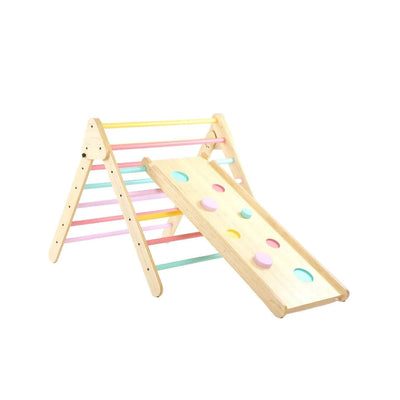
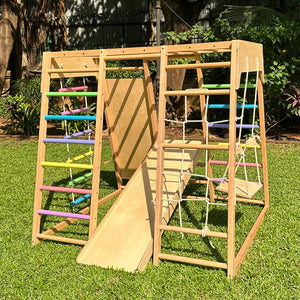
Providing children with open-ended play materials, like those found in our Montessori collection, encourages them to invent games and explore independently outdoors. This aligns perfectly with the goal of increasing outdoor time for health benefits like Vitamin D synthesis, all while nurturing their innate curiosity and love for learning.
Practical Steps for Indian Families: Embracing Outdoor Play
Integrating more outdoor play into the busy lives of Indian families is achievable with thoughtful planning. Start by designating specific 'outdoor time' slots, perhaps before school or in the late afternoon, that become non-negotiable. Even a short 20-30 minute session daily can be highly effective.
Encourage traditional Indian games like kho-kho, hopscotch, or hide-and-seek in the colony park or building courtyard. Weekend trips to local parks, gardens, or even a community festival can provide extended opportunities for children to run, climb, and play freely. Involving grandparents can also be a wonderful way to foster outdoor engagement, as many elders cherish outdoor traditions.
Create an inviting outdoor space at home, however small, with child-friendly elements like a swing, a sandpit, or just some open space for free movement. Make outdoor time a family ritual, perhaps a post-dinner walk, making it a natural and enjoyable part of daily life rather than a chore. The Better India's suggestions for 'Top Outdoor Winter Games' offer great inspiration for year-round activities.
- Outdoor play is the most effective natural method to combat Vitamin D deficiency in Indian children.
- Sunlight exposure on skin triggers the body's essential Vitamin D production.
- Increased screen time directly correlates with lower Vitamin D levels due to reduced outdoor exposure.
- Vitamin D is vital for strong bones, robust immunity, and overall healthy growth and development.
- Montessori principles support outdoor learning, which naturally boosts Vitamin D while fostering holistic skills.
- Just 15-20 minutes of midday sun exposure, 2-3 times a week, is often sufficient for children to synthesize adequate Vitamin D.
Frequently Asked Questions
How much sunlight do Indian children need for Vitamin D?
Experts recommend that Indian children get about 15-20 minutes of direct sun exposure on bare skin, primarily during midday hours (10 AM to 3 PM), two to three times a week. This duration is often sufficient for adequate Vitamin D synthesis without excessive risk of sunburn.
Can diet alone prevent Vitamin D deficiency in children?
While certain foods like fatty fish, fortified milk, and eggs contain Vitamin D, dietary intake alone is often insufficient to meet a child's full Vitamin D requirements, especially in India. Sunlight exposure remains the primary and most effective natural source for optimal Vitamin D levels.
What are the signs of Vitamin D deficiency in Indian children?
Common signs of Vitamin D deficiency in Indian children include fatigue, bone or muscle pain, frequent infections, and impaired growth. Severe deficiency can lead to rickets, characterized by weakened and softened bones. Consulting a pediatrician for proper diagnosis is crucial.
Is screen time directly linked to lower Vitamin D levels?
Research clearly indicates a direct link between increased screen time and lower Vitamin D levels in children. More hours spent indoors with screens mean significantly less time outdoors exposed to sunlight, directly impeding the body's natural Vitamin D production.
How can busy Indian parents ensure their children get enough outdoor play?
Busy Indian parents can integrate outdoor play by scheduling short, consistent outdoor breaks, even for 20-30 minutes daily, or using weekend visits to parks and playgrounds. Involving grandparents in outdoor activities and choosing open-ended gross motor toys also encourages engagement.
Are there any risks associated with too much sun exposure for children in India?
Yes, prolonged and unprotected sun exposure can lead to sunburn, heatstroke, and increase the risk of skin damage over time. Parents should ensure children play outdoors during appropriate hours, use protective clothing, and stay hydrated, especially during peak summer.