Homeschooling Curriculum India: Montessori Guide for 5-8 Year Olds
For Indian parents seeking an alternative to conventional schooling, a Montessori homeschooling curriculum in India offers a child-centred, holistic approach for primary schoolers aged 5-8 years. This method emphasizes self-directed activity, hands-on learning, and collaborative play, designed to foster intrinsic motivation and deep understanding rather than rote memorization, directly addressing concerns about academic pressure in traditional systems.
Many families are exploring new educational paths, particularly in light of discussions around the state of public education in India. Parents are increasingly looking for ways to support their child's holistic development and avoid the academic stress that often leads to after-school meltdowns, as highlighted by contemporary parenting discussions. Montessori homeschooling presents a structured yet flexible framework that nurtures a child's natural curiosity and independence.
What is Montessori Homeschooling?
Montessori homeschooling involves creating a prepared learning environment at home that empowers primary schoolers to explore and learn at their own pace. It prioritises hands-on materials and child-led discovery, fostering independence, concentration, and a genuine love for learning aligned with Maria Montessori's educational philosophy.
This approach moves beyond simply replicating a classroom; it transforms the home into a dynamic space where learning is an integral part of daily life. It acknowledges that children are naturally eager learners, given the right tools and freedom within limits.
Why Montessori Homeschooling for Primary Schoolers in India?
The academic landscape in India often places immense pressure on young children, sometimes prioritising rote learning and test performance over genuine understanding. As TheWire.in has observed regarding the state's role in education, parents often feel compelled to seek alternatives. Montessori homeschooling for primary schoolers in India offers a powerful antidote to this pressure, focusing instead on deep, experiential learning that builds a strong foundation.
Child development experts agree that fostering intrinsic motivation and a love for learning in early years is far more beneficial than pushing for early academic achievement through stressful methods. Montessori cultivates critical thinking, problem-solving skills, and self-discipline, which are invaluable for navigating future challenges, including competitive exams, with greater confidence and less anxiety.
Establishing a Montessori Curriculum at Home for 5-8 Year Olds
Implementing a Montessori curriculum at home involves thoughtful preparation and a shift in perspective. It’s not about rigid schedules but about offering a rich environment that responds to your child's developmental stage. For 5-8 year olds, this means a balance of foundational concepts and expanding their world.
Start by observing your child's interests. Are they fascinated by numbers, captivated by stories, or drawn to practical tasks like helping with cooking? Maria Montessori's philosophy is rooted in following the child, allowing their natural curiosities to guide the learning journey. This approach makes learning deeply personal and engaging.
Key Montessori Areas & Materials for Primary Ages
For children aged 5-8, the Montessori curriculum expands upon foundational concepts introduced earlier, moving towards abstraction through concrete materials. Here's how to structure it:
Practical Life: Building Independence and Focus
Practical Life activities remain crucial. These tasks, familiar in Indian households, include sweeping, dusting, washing dishes, gardening, or even preparing a simple snack like cutting fruits. These activities develop coordination, concentration, independence, and a sense of responsibility. Imagine your child carefully peeling vegetables for dinner, a task that builds fine motor skills and sequential thinking.
Sensorial Exploration: Refining the Senses
Sensorial materials continue to be vital for primary schoolers, helping them classify and understand their environment. The Pink Tower teaches concepts of dimension, while the Broad Stair helps differentiate thickness. These materials are not just ‘toys’; they are tools for developing acute sensory discrimination, which forms the basis for later academic concepts. Children learn to identify, compare, and order, internalizing abstract ideas like “biggest” or “roughest”.
Language Arts: From Decoding to Expression
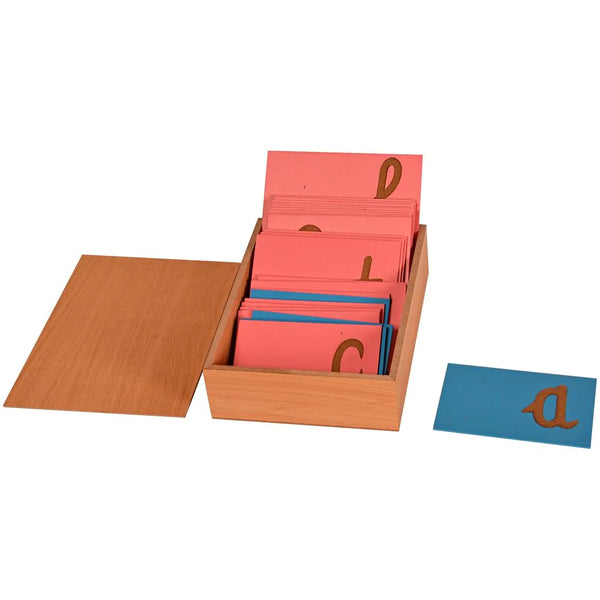
For 5-8 year olds, language work moves from basic phonics and reading to grammar, creative writing, and understanding literary forms. Materials like Sandpaper Letters reinforce phonics, while Moveable Alphabets allow children to construct words and sentences independently. Consider introducing story cards about Indian festivals or local history to connect language learning with cultural context. Encourage journaling or writing letters to grandparents as a practical application.
Mathematics: Concrete Understanding of Abstract Concepts
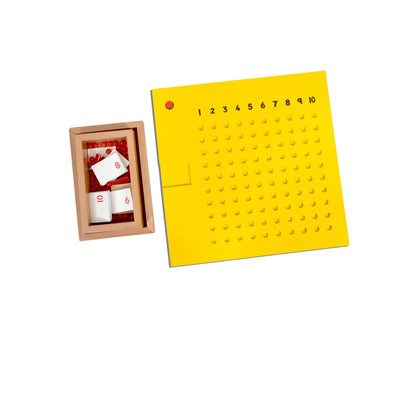
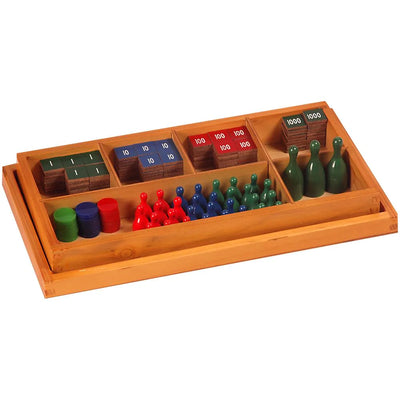
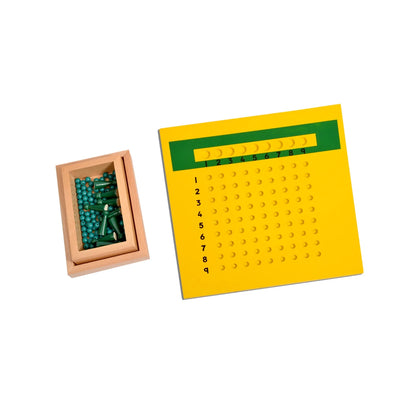
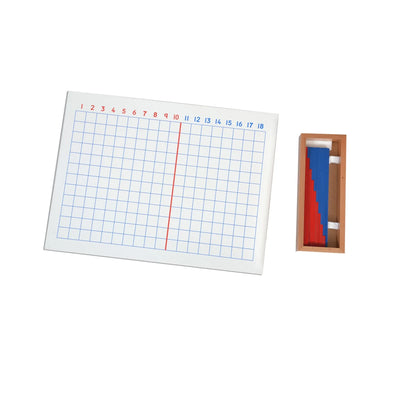
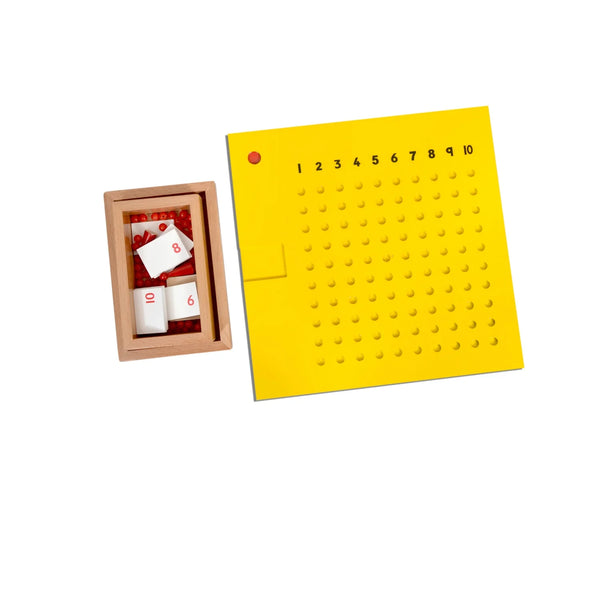
The Montessori approach to mathematics for this age group is revolutionary. It uses hands-on materials to teach abstract concepts concretely. The Golden Beads introduce quantity and place value up to thousands. The Stamp Game helps with operations (addition, subtraction, multiplication, division). This deep, tactile understanding means children grasp the ‘why’ behind mathematical operations, not just the ‘how’. You can find excellent Montessori educational toys for math at SkilloToys.
Cultural Studies: Exploring the World
Cultural studies encompass geography, history, botany, zoology, and science. Materials like puzzle maps of India and the world help children understand continents and countries. Timelines introduce historical concepts. Experiments with seeds teach botany. These studies connect children to the world around them, often drawing on local Indian flora, fauna, and historical narratives to make learning relevant and engaging. For instance, studying the life cycle of a mango tree or the history of a local monument.
Integrating Montessori Principles into an Indian Home
The beauty of a Montessori homeschooling curriculum in India is its adaptability. A prepared environment doesn't require a dedicated classroom; a designated shelf, a low table, and easy access to materials can transform any corner of an Indian home. In a joint family setting, older members can share stories, teach traditional crafts, or involve children in daily rituals, enriching the practical life and cultural studies aspects organically.
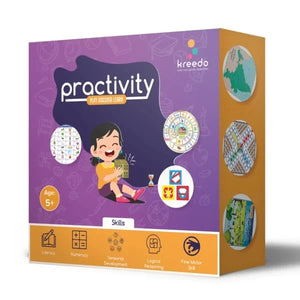
Parents often worry about “screen time” versus “real learning”. Montessori naturally reduces reliance on screens by offering engaging, hands-on alternatives. For structured activity, consider ‘activity kits’ that complement Montessori principles. Activity kits focusing on practical skills or sensory exploration can be excellent additions to a prepared environment.
Supporting Your Child's Unique Learning Journey
Remember, the goal is not to mimic a school, but to nurture a lifelong learner. Your role as a homeschooling parent is that of a ‘guide on the side’, presenting materials and observing your child’s progress. Celebrate their discoveries, respect their concentration, and trust in their innate drive to learn. This approach, while different from traditional Indian schooling, equips children with profound self-knowledge and academic competence, truly preparing them for life.