Telugu Letters with Pictures: Montessori for Kids 5-8
Learning telugu letters with pictures through a Montessori lens offers a wonderfully effective and stress-free pathway for primary schoolers (5-8) in India. This approach harnesses a child's natural curiosity, turning the often-pressured task of regional language acquisition into an engaging, sensorial experience that builds a deep connection to their heritage.
What is Montessori for Telugu Letters?
Montessori for Telugu letters is an educational approach that introduces the Telugu alphabet through multi-sensory materials, allowing children to see, touch, and hear each letter. This matters because it caters to different learning styles, making abstract symbols concrete and meaningful. Indian parents can use this method at home to support their children's regional language development without added academic pressure.
Why a Montessori Approach Works for Telugu Language Learning for Kids
Child development experts agree that a multi-sensory approach significantly enhances early language acquisition. For children aged 5-8, who are often navigating the complexities of English-medium schooling, a gentle method for their mother tongue, like Telugu, is invaluable. The Montessori method reduces the cognitive load by breaking down complex tasks into simpler, self-correcting activities.
Studies indicate that children who engage with language through touch and movement retain information more effectively. This is particularly true for learning new scripts like Telugu, where each letter form is unique. Instead of rote memorisation, children explore, discover, and internalise the letter shapes and sounds, fostering a genuine love for their regional language learning.
For parents in Bengaluru, witnessing their child confidently identify Telugu letters, perhaps even teaching their grandparents, can be immensely rewarding. This approach aligns with the holistic development focus, counteracting the intense academic pressure highlighted in discussions like "How To Handle After School Meltdowns?" because it respects the child's pace and innate desire to learn.
Practical Ways to Introduce Visual Aids for Learning Telugu
Bringing Telugu letters to life with pictures is central to the Montessori language curriculum. The goal is to connect the visual symbol (the letter) with its sound and a familiar object, creating strong associations. Here are some effective strategies:
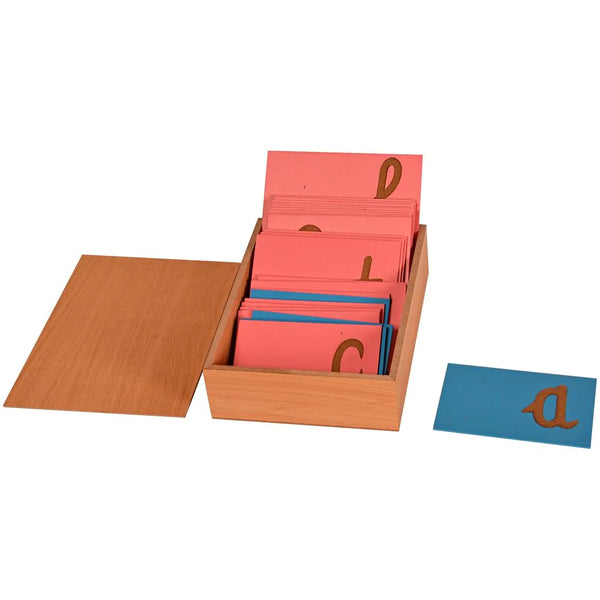
1. Sandpaper Telugu Alphabets (Montessori Telugu Alphabet)
Maria Montessori developed sandpaper letters to introduce children to the tactile sensation of letter shapes. For Telugu, you can create or procure sandpaper letters for each vowel (అచ్చులు) and consonant (హల్లులు).
- Invite your child to trace the letter with their finger while simultaneously saying its sound. For instance, trace 'అ' and say "అ" (as in అమ్మ - mother).
- Pair this with a picture of 'అమ్మ' or another 'అ' word. This reinforces both the visual and phonetic recognition.
2. Picture Matching Cards
Create sets of cards where one card has a Telugu letter and another has a corresponding picture. For example, 'క' and a picture of 'కన్ను' (eye).
- Children match the letter to its beginning sound picture.
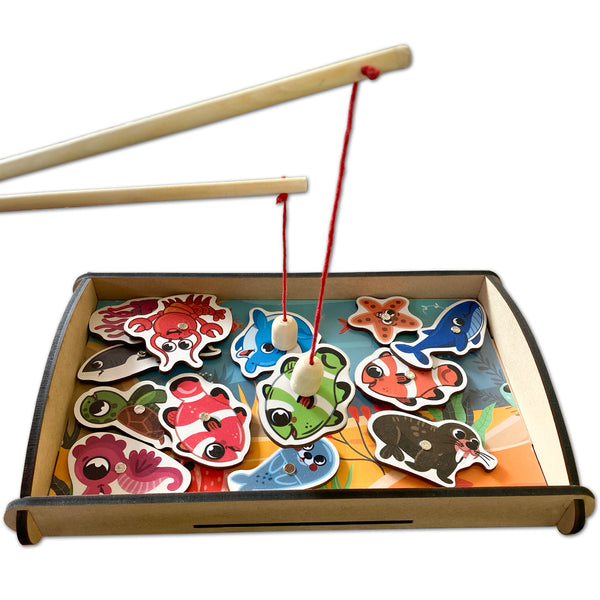
- This activity not only helps with telugu letters with pictures but also expands their Telugu vocabulary. You can find excellent puzzles and matching games that adapt well to this concept.
3. Movable Telugu Alphabet
Once children are familiar with individual letter sounds, introduce a movable alphabet. This can be small wooden or cardboard cut-outs of Telugu letters. This allows children to construct words even before they can write, bridging the gap between sound and symbol.
- Ask your child to form simple Telugu words using the movable alphabet, like 'నమస్కారం' or 'నీరు'.
- This activity builds early literacy skills and fosters independent exploration of the language.
4. Storytelling with Visual Cues
Engage your child in Telugu storytelling, using books with large, clear illustrations. Point to words as you read, especially those with familiar initial letters.
- This informal exposure makes learning enjoyable and contextual.
- Grandparents often excel at this, weaving cultural stories and songs into daily routines, making regional language learning India a shared family experience.
Creating a Language-Rich Telugu Home for Montessori Language Materials 5-8
Beyond structured activities, a rich home environment is paramount. NCERT's 2019 framework for early childhood education emphasizes the importance of mother tongue in foundational learning. This means speaking Telugu at home, even if it's mixed with English.
Label common household items in Telugu – 'తలుపు' (door), 'కిటికీ' (window), 'కుర్చీ' (chair). These environmental print cues provide constant, low-pressure exposure to the script. Encourage children to help read these labels aloud during daily tasks.
Incorporate Telugu into festivals and family gatherings. Singing traditional songs, reciting poems, and telling stories associated with events like Sankranti or Ugadi strengthens the child's cultural connection to the language. Consider simple activity kits that encourage creating Telugu word art or crafts.
Avoiding Pressure: A Balanced Approach to How to Teach Telugu to Kids
The academic landscape in India often places immense pressure on young children, a concern highlighted by articles questioning why "The State Knows How to Run Good Schools – It Just Chooses Not To." When it comes to regional language learning, the goal should be connection, not coercion.
A Montessori approach prioritizes joy and intrinsic motivation. It's about presenting the materials and observing the child's engagement, rather than forcing lessons. If a child shows disinterest one day, simply put the material away and try another time. Learning should be an invitation, not a command.
Remember, the purpose is to instill a love for Telugu, not just to pass an exam. This anti-pressure stance helps children develop a positive relationship with their cultural language, preventing the kind of after-school meltdowns parents often face. Focus on small, consistent steps, celebrating effort and curiosity over flawless performance. The genuine desire to learn, nurtured through a respectful and engaging method, yields far better long-term results than any amount of pressure.
Embracing a Montessori approach to teaching telugu letters with pictures empowers children aged 5-8 to discover their regional language with enthusiasm and confidence. It's a holistic method that respects their developmental stage, reduces academic anxiety, and, most importantly, fosters a profound connection to their linguistic and cultural roots within the vibrant Indian family setting. By providing the right tools and a supportive environment, you're not just teaching letters; you're nurturing a lifelong learner and a proud inheritor of a rich heritage.