NEP 2020 Early Childhood Education: Parents' Guide
India's National Education Policy (NEP) 2020 ushers in a groundbreaking vision for the education landscape, with a significant emphasis on NEP 2020 early childhood education. This policy is particularly relevant for parents of 3-5 year olds, as it fundamentally redefines the initial years of schooling, shifting focus from rote learning to holistic development through play and discovery.
For parents like Aarti in Bengaluru, navigating preschool choices for her four-year-old, Aryan, understanding NEP 2020 means knowing what to expect from educational institutions and how to best support her child at home. It signals a move towards nurturing curious, engaged learners from a very young age.
What is NEP 2020 Early Childhood Education?
NEP 2020 Early Childhood Education (ECE) defines a foundational stage for children aged 3-8 years, emphasizing flexible, play-based, and activity-based learning. This matters because it establishes a strong developmental base, crucial for cognitive and socio-emotional growth. Indian parents can advocate for this approach in preschools and foster it at home.
Understanding the Foundational Stage (3-8 Years) under NEP 2020
The National Education Policy (NEP) 2020 introduces a new 5+3+3+4 curricular structure, where the first five years constitute the 'Foundational Stage.' This critical phase, spanning from age 3 to 8, covers three years of preschool or Anganwadi education and then Grades 1 and 2. This structure is a cornerstone of the new national education policy for preschoolers, moving away from a rigid 10+2 system.
Research from institutions like the Harvard Center on the Developing Child consistently highlights that 85% of brain development occurs before age six. Recognizing this, NEP 2020 aims to provide high-quality Early Childhood Care and Education (ECCE) for all children by 2030, a goal also championed by UNICEF in its global ECE initiatives. The National Curriculum Framework for Foundational Stage (NCF-FS) is being developed by NCERT to guide this stage, ensuring a cohesive and developmentally appropriate approach.
The Heart of NEP: Play-Based Learning for Your Preschooler
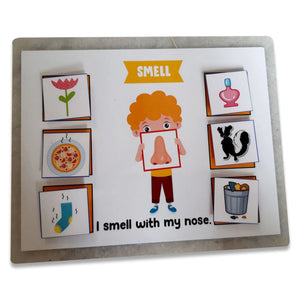
At the core of NEP 2020's vision for 3-5 year olds is experiential, play-based learning. This approach acknowledges that young children learn best by doing, exploring, and interacting with their environment, rather than through formal textbooks or rote memorization. Child development experts agree that engaging children through play builds critical thinking, problem-solving skills, and creativity.
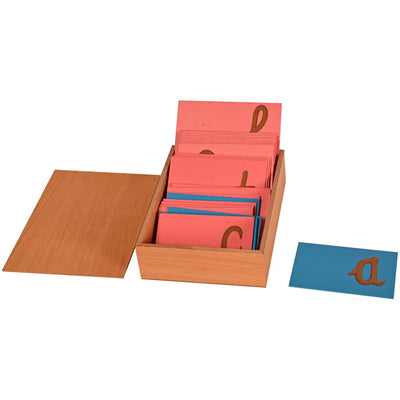
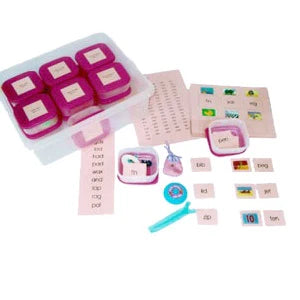
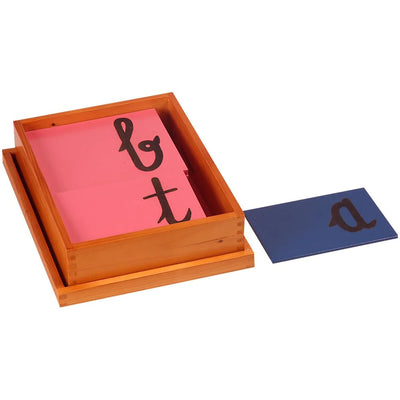
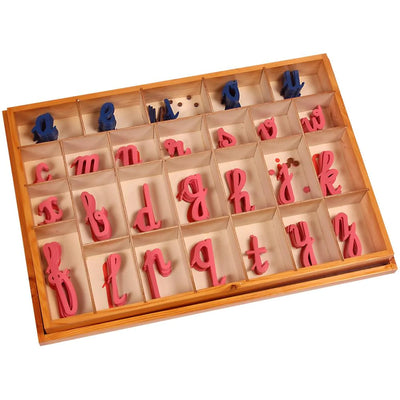
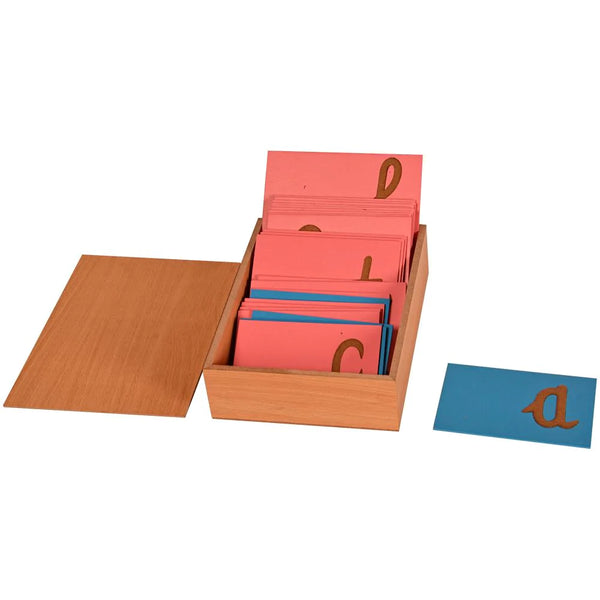
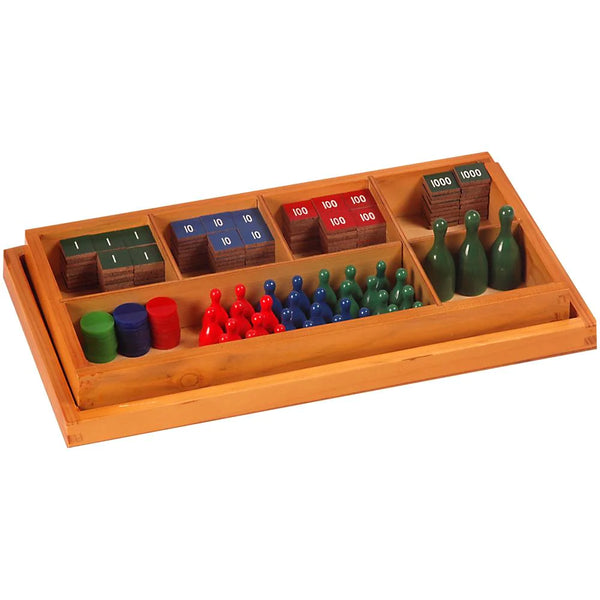
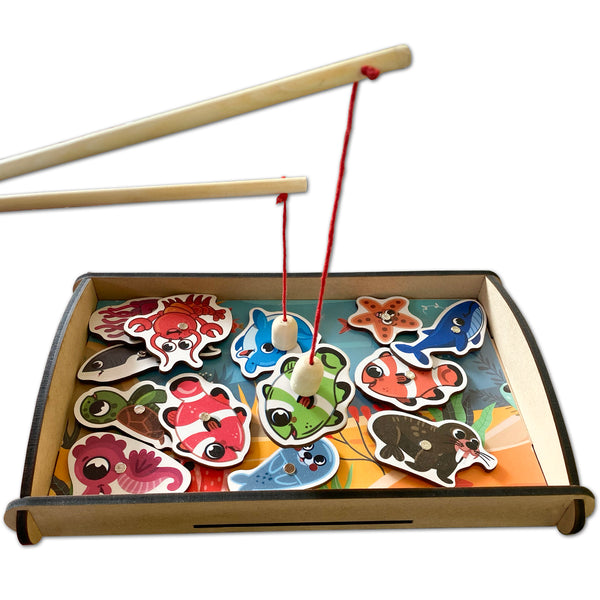
This philosophy resonates strongly with Montessori principles, which advocate for self-directed activity, hands-on learning, and collaborative play. For instance, a child stacking puzzles isn't just playing; they're developing fine motor skills, spatial reasoning, and persistence. Similarly, engaging with activity kits allows a 4-year-old like Aanya from Chennai to explore cause-and-effect and logical sequencing in a tangible way. The satisfying clunk of wooden blocks fitting together or the focused quiet as a child matches shapes are sensory experiences that solidify learning.
Empowering Anganwadis and Preschools: India ECE Policy in Action
The success of the India ECE policy under NEP 2020 heavily relies on strengthening existing Anganwadis and integrating them with the formal school system. The policy mandates that every child aged 3-5 years should have access to free, safe, and high-quality early childhood care and education. This involves significant investment in teacher training for Anganwadi workers and preschool teachers, ensuring they are equipped to deliver the play-based, activity-rich curriculum envisioned by the NEP.
Recent calls for Expression of Interest (EOIs) for technical support to Early Childhood Care and Education in India, as highlighted by fundsforNGOs, underscore the ongoing efforts to operationalize this policy. Community engagement, as observed in successful early childhood development intervention trials in rural India, is also crucial. This means parents, grandparents, and local communities are encouraged to be active partners in supporting the learning journey, especially in joint families where Dadi and Nani often play pivotal roles in a child's early development.
What NEP 2020 Means for Parents of 3-5 Year Olds
For parents, the NEP 3-5 year olds focus means a shift in perspective. Instead of fixating on early academic performance, parents should prioritize preschools that embrace play, exploration, and holistic development. When discussing school options with family members in a joint household, emphasize that a school's approach to play and social-emotional learning is more indicative of quality than its ability to teach early reading or writing by rote.
The policy also champions instruction in the child's mother tongue up to at least Grade 5. For 3-5 year olds, this is incredibly powerful. Learning complex concepts in the language they understand best strengthens their foundational understanding and self-expression. As studies indicate, children who learn in their native language demonstrate better cognitive flexibility and problem-solving skills later in life.
Your Role in Implementing the National Education Policy for Preschoolers at Home
Parents are the first and most influential educators. To align with the preschool education policy India advocates, focus on creating a stimulating home environment. Encourage imaginative play, storytelling in your native language, and involve your child in everyday tasks. For a three-year-old, helping knead dough during Diwali preparations or sorting vegetables by colour isn't just a chore; it's a sensory-rich learning experience in Indian culture.
Provide open-ended learning materials that allow children to explore and create. Wooden blocks, shape sorters, and simple art supplies are invaluable. These Montessori-inspired tools encourage children to do the imagining, rather than being passively entertained. You can explore a wide range of such materials at SkilloToys.com, which are designed to support hands-on learning.
Tonight, instead of asking your child what they learned, ask them what they discovered or what they played. This subtle shift reinforces the NEP's emphasis on process over product, fostering a lifelong love for learning in your little one.