Educational Toys Boost Learning Outcomes for Primary Schoolers (5-8)
In Indian homes, where academic pressure often starts early, parents seek effective ways to truly enhance their child's education beyond rote learning. Educational toys, particularly those inspired by Montessori principles, scientifically boost learning outcomes for primary schoolers (5-8 years old) by fostering deeper understanding and skill development.
This approach moves beyond simply passing exams, focusing instead on how children grasp concepts, solve problems, and apply knowledge, a critical shift highlighted in national discussions about improving India's education system to focus on "learning outcomes" rather than just school access.
What are Learning Outcomes?
Learning outcomes are specific, measurable statements of what a student should know, understand, or be able to do after a learning experience. This matters because it shifts the educational focus from simply covering curriculum to ensuring students genuinely acquire applicable skills and knowledge. Indian parents can use this framework to evaluate educational tools and activities, ensuring they lead to concrete developmental benefits.
Montessori Education India: Building Foundational Skills (5-8 Years)
At the heart of the Montessori method is the belief that children learn best through self-directed activity, hands-on exploration, and collaborative play. For primary schoolers aged 5-8, this translates into an environment where they are not just taught facts but are guided to discover them. Child development experts agree that this age is crucial for solidifying cognitive and socio-emotional skills.
Consider 6-year-old Rohan in his Bengaluru home. His traditional school curriculum focuses heavily on textbooks. However, when he engages with Montessori puzzles at home, he isn't just matching shapes; he is developing spatial reasoning, fine motor control, and the patience to complete a task. This experiential learning is what differentiates Montessori education in India, moving towards a system that truly values what a child can do, not just what they can recite.
Experiential Learning: The Science Behind Deeper Understanding
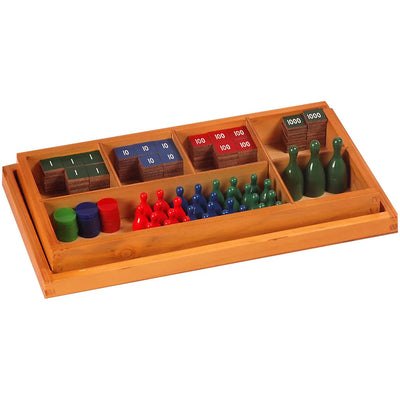
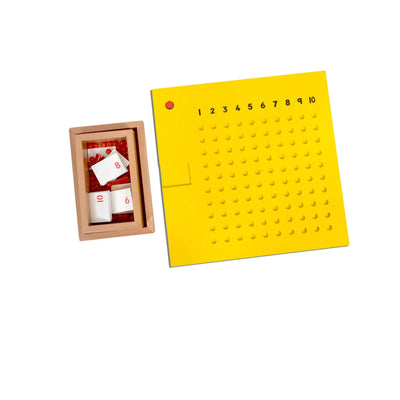
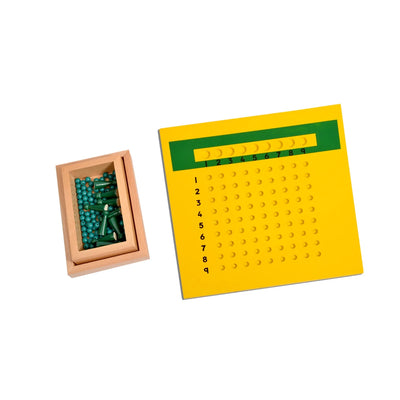
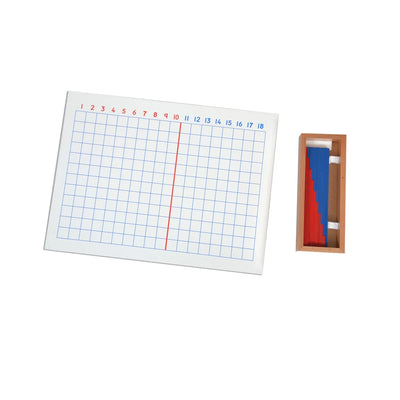
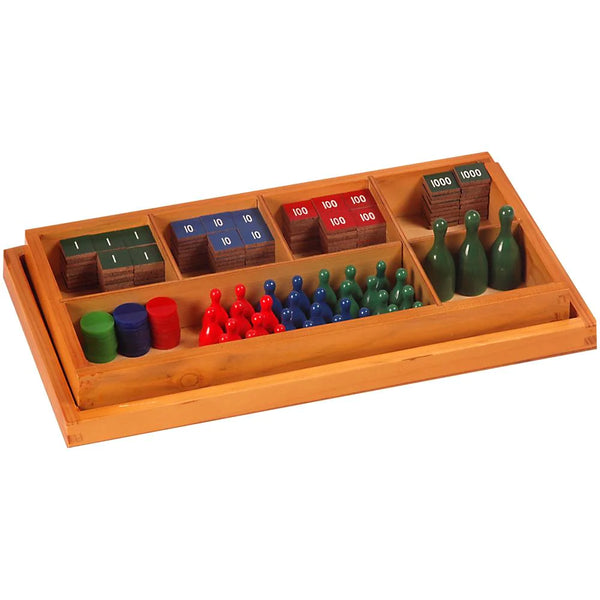
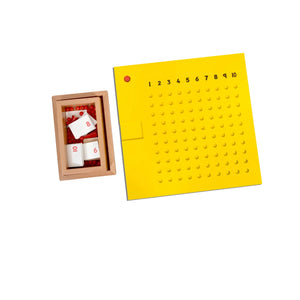
Research consistently shows that experiential learning leads to superior long-term retention and deeper understanding compared to passive learning methods. When a child physically interacts with a concept – building a tower to understand height, or arranging beads to grasp numerical values – their brain creates stronger, more diverse connections. Studies indicate that learning through doing engages multiple sensory pathways, including visual, auditory, and kinesthetic senses, which strengthens memory encoding.
This is particularly vital for primary school development in India, where the pressure of examinations can sometimes overshadow the true goal of understanding. For instance, an 8-year-old using a Montessori material to learn fractions isn't just memorizing formulas; they are physically dividing and recombining quantities, grasping the underlying concept. This direct interaction helps bypass common academic hurdles, creating robust learning outcomes that persist beyond the classroom.
Developing Skill-Based Learning Through Self-Correction
A hallmark of Montessori educational toys is their built-in "control of error." This means children can often identify and correct their own mistakes without adult intervention. For a 7-year-old assembling an advanced activity kit, if a piece doesn't fit, they immediately know they need to re-evaluate their approach. This process cultivates critical skill-based learning: problem-solving, resilience, and independent thinking.
The NCERT's 2019 National Curriculum Framework emphasizes developing such skills, recognizing their importance for navigating a complex world. When a child learns to identify and fix their errors, they develop a profound sense of self-efficacy. This invaluable trait empowers them to tackle new challenges in primary school and beyond, fostering an internal locus of control vital for holistic development.
Montessori for Primary School Development: Beyond Rote Memorization
The national conversation, exemplified by "Beyond school access: How India can build an education system focused on learning outcomes," underscores the urgent need to move past rote memorization. Montessori educational toys provide a tangible solution. They are designed to stimulate curiosity and intrinsic motivation, key drivers for sustained learning.
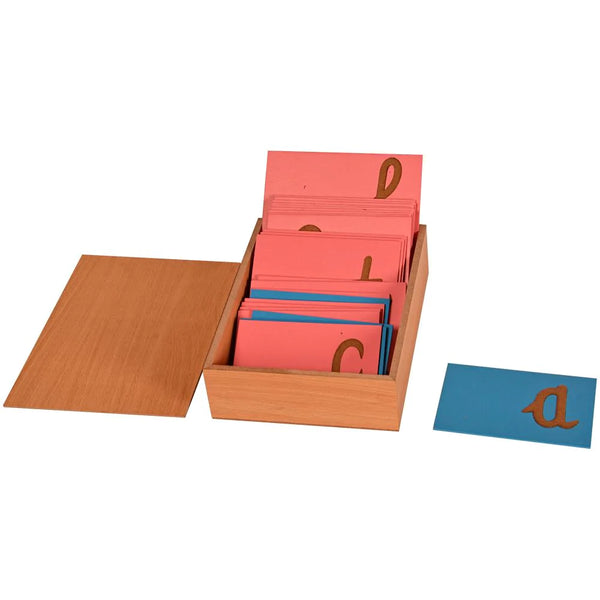
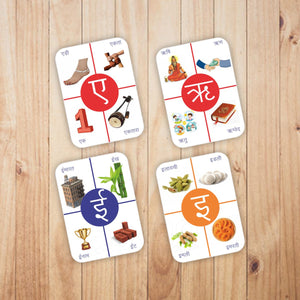
For example, a child using sandpaper letters or phonetic reading materials is not just memorizing sounds; they are connecting visual symbols to sounds and building words, laying a strong foundation for literacy. This scientific approach ensures that learning is not about superficial recall but about constructing meaning, making it particularly beneficial for young learners aged 5-8 navigating the demands of primary school.
Fostering Executive Functions and Cognitive Flexibility
Engagement with purposeful Montessori materials actively trains a child's executive functions. These cognitive skills include working memory, inhibitory control (the ability to resist impulses), and cognitive flexibility (the ability to shift perspectives). When an Indian child, perhaps from a busy joint family, dedicates time to a complex Montessori task, they are exercising these crucial brain functions.
For instance, completing a multi-step geometry puzzle requires planning, remembering previous steps, and adapting if a solution doesn't work. This deliberate, focused effort strengthens neural pathways responsible for these functions, equipping primary schoolers with essential tools for academic success and daily life, whether managing school projects or resolving sibling disputes.
Integrating Montessori at Home: A Balanced Approach for Indian Parents
For parents navigating the Indian education system, integrating Montessori educational toys at home offers a balanced approach to primary school development. It complements traditional schooling by fostering independence and a love for learning, reducing the feeling of overwhelming academic pressure. This doesn't mean replacing school, but rather enriching the learning environment.
Encourage your child to explore these materials during after-school hours, perhaps while grandparents supervise, allowing them freedom of choice. Observing how they interact with materials like those found at SkilloToys.com provides invaluable insight into their learning style and areas of interest. This holistic engagement supports the "Every child in school" initiative by UNICEF, ensuring that once children are in school, their learning experience is rich, meaningful, and genuinely outcomes-focused.
Ultimately, by choosing Montessori educational toys, Indian parents are not just buying playthings; they are investing in a scientifically-backed methodology that cultivates resilient, curious, and capable primary schoolers, ready to thrive in an education system increasingly focused on genuine learning outcomes.