Telugu Letters with Pictures: Fun for Preschoolers (3-5 Years)
Introducing telugu letters with pictures to preschoolers between 3 and 5 years old is a highly effective way to foster early regional language literacy, establishing a strong foundation for future learning. Child development experts agree that a multisensory approach, combining visual cues with phonetic sounds, significantly aids comprehension and retention. This foundational learning helps children not just identify letters, but also connect them meaningfully to their everyday world, enriching their cultural identity and cognitive skills.
Telugu language development for preschoolers (3-5 years) involves nurturing their ability to recognize, understand, and eventually form Telugu letters and words. This matters because a strong foundation in their mother tongue enriches their cultural identity and significantly supports overall cognitive and linguistic development, as highlighted by UNICEF's emphasis on mother tongue education in early childhood. Indian parents can proactively engage their children through playful exposure to Telugu sounds, stories, and visual aids.
Why Early Telugu Literacy Matters for Your Child (3-5 Years)
For children aged 3 to 5 years, exposure to their mother tongue, such as Telugu, offers profound developmental advantages beyond just language acquisition. Studies on bilingualism, such as those conducted by institutions like the Harvard Center on the Developing Child, indicate that early exposure to multiple languages enhances cognitive flexibility and problem-solving skills. This means children who are fluent in their regional language often show improved critical thinking and adaptability.
Beyond cognitive benefits, learning Telugu letters strengthens a child's cultural roots. Imagine 3-year-old Aarya in Bengaluru, understanding the stories her dadi narrates during Ugadi or singing along to traditional Telugu songs during family gatherings. This cultural connection fosters a strong sense of identity and belonging, which is crucial for emotional development. UNICEF advocates for mother tongue education in early childhood, stating it significantly improves a child's learning outcomes and emotional well-being, especially when preparing for primary school.
Montessori Principles for Learning Telugu Letters
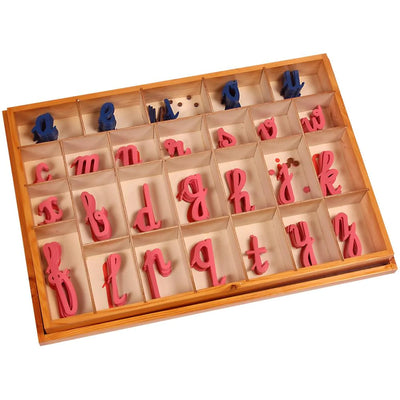
Maria Montessori's philosophy emphasizes that children learn best through hands-on, sensory experiences. This approach is perfectly suited for teaching the beautiful and intricate shapes of the Telugu alphabet for preschoolers. Instead of rote memorization, the Montessori method encourages children to feel the shape of a letter, hear its sound, and see its form, making the abstract concept tangible.
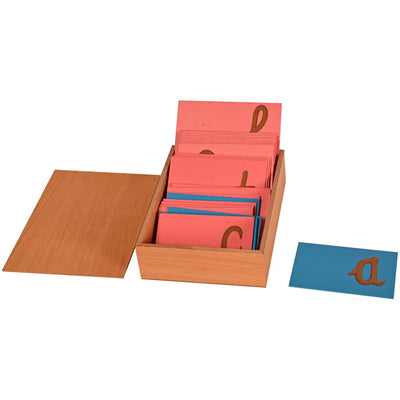
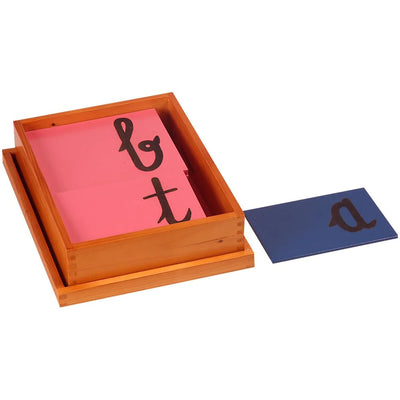
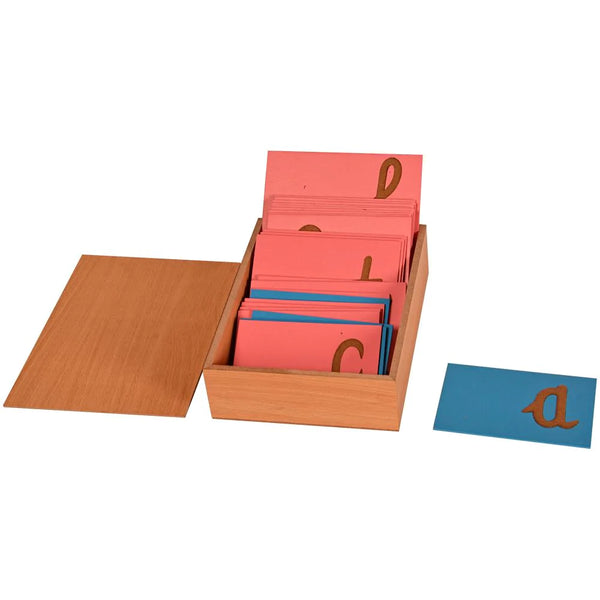
For instance, using materials similar to Montessori's sandpaper letters, children can trace the Telugu characters with their fingers, engaging both touch and sight. This multisensory input creates stronger neural pathways, making letter recognition more intuitive and lasting. The child becomes an active participant in their learning journey, building a solid foundation in Telugu language development.
Engaging Activities for Learning Telugu Alphabet for Preschoolers
The best way to introduce the Telugu alphabet to your 3-5 year old is through play. These activities transform learning into an exciting adventure, keeping your child motivated and curious.
Visualizing "Telugu Letters with Pictures"
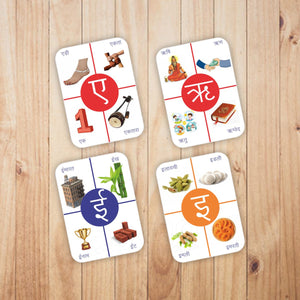
Connecting letters to familiar images is a powerful technique for early literacy. Create or find flashcards featuring telugu letters with pictures. For example, 'అ' for 'అమ్మ' (Amma - mother) or 'క' for 'కమలం' (Kamalam - lotus). Hold up a card and ask your child to identify the picture, then gently introduce the letter and its sound. Make it a game by hiding cards and having them 'find the letter'.
Story time is another fantastic way to reinforce this. As you read Telugu storybooks, point out specific letters as they appear. You can also play "I Spy" with letters around the house, saying "I spy with my little eye, a letter that looks like a snake's hood" for 'స', encouraging observation and recognition.
Interactive Play for Language Development
Hands-on activities are key for active learning. Encourage your child to trace Telugu letters in a shallow tray of sand, rice, or even finger paint. The tactile experience solidifies the letter's shape in their memory. You can also use playdough to mold the shapes of letters, turning abstract symbols into something they can physically construct and deconstruct.
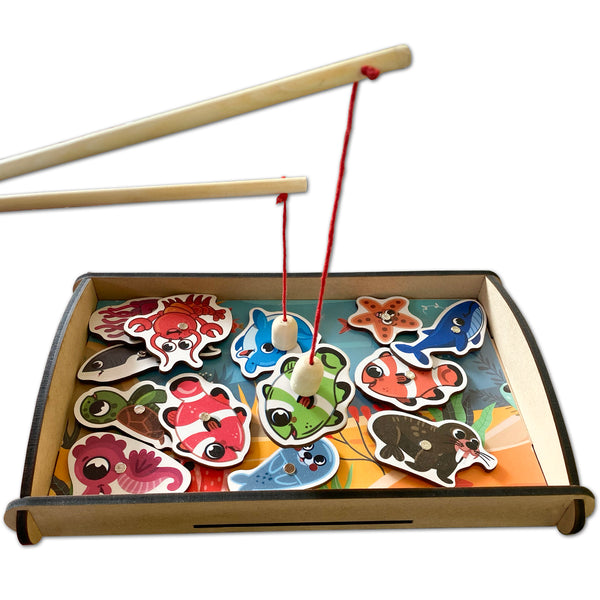
Letter-matching games, where they pair a Telugu letter with its corresponding picture or another identical letter, help develop visual discrimination. These simple games are excellent for improving hand-eye coordination and fine motor skills, which are crucial for eventual writing. Remember, the goal is exposure and enjoyment, not perfection.
Choosing Educational Telugu Learning Toys
The right educational toys can significantly boost your child's journey in learning Telugu. SkilloToys.com offers a range of Montessori-inspired materials that make this process intuitive and fun.
Wooden Puzzles for Letter Recognition
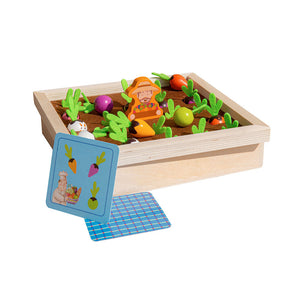
Wooden puzzles are a fantastic choice for teaching telugu learning toys. Look for puzzles where each piece is a Telugu letter, often with an associated image beneath it. As children manipulate the pieces, fitting them into their correct slots, they engage fine motor skills and spatial reasoning. The satisfying click of a puzzle piece falling into place reinforces the learning of the letter's shape. This also provides a self-correcting mechanism, a hallmark of Montessori education, where children learn from their own mistakes.
Explore a variety of engaging wooden puzzles at SkilloToys.com/collections/puzzles.
Activity Kits for Hands-On Telugu Practice
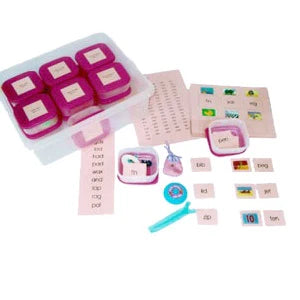
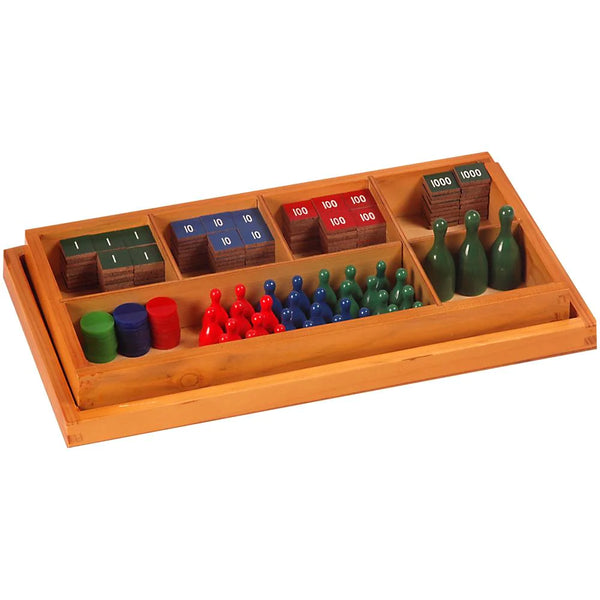
Activity kits designed for early literacy can include items like letter-stamping sets, tracing boards, or reusable writing mats with Telugu letters. These kits provide structured yet playful opportunities for your child to practice forming letters. For example, a kit might include clay and Telugu letter molds, allowing your child to create tactile representations of each character.
These hands-on tools support telugu language development 3-5 years by making the learning process active and engaging. Find inspiring activity kits that promote language skills at SkilloToys.com/collections/activity-kits. For a broader range of Montessori educational toys, visit our main collection at SkilloToys.com.
Integrating Telugu Learning into Daily Indian Life
In Indian homes, especially within joint families, there are countless organic opportunities to weave in Telugu learning. Grandparents often converse in Telugu, sing traditional lullabies, and tell stories that are rich in regional vocabulary. Encourage these interactions, as they provide natural language immersion.
During festivals like Sankranti or Diwali, point out Telugu words written on greeting cards or decorations. When cooking, name ingredients in Telugu. During dinner, ask your child to point to objects and name them in Telugu, or trace letters in their food (like with a finger in a plate of Rava Idli). These consistent, low-pressure exposures throughout the day are far more effective than isolated tutoring sessions, making learn telugu for kids a seamless part of their upbringing.
Remember, the goal isn't to create a prodigy, but to nurture a love for language and culture. By making the journey of learning Telugu letters playful and integrated into their world, you empower your preschooler with a rich linguistic and cultural heritage that will serve them for a lifetime.