Telugu Letters with Pictures: Montessori Fun for Primary Kids
Learning telugu letters with pictures can be a joyful, intuitive experience for primary schoolers aged 5-8 when approached with the right tools. Research shows that children acquire language most effectively through multi-sensory engagement, and Montessori educational toys provide precisely this, transforming what can often feel like academic pressure into an exciting discovery of their rich linguistic heritage. This method directly addresses the need for education systems focused on learning outcomes, as highlighted by initiatives like UNICEF's early childhood education goals for India.
In Indian homes, where the emphasis on academic success can often overshadow the joy of learning, finding engaging ways to introduce regional languages is crucial. Montessori offers a balanced approach, helping children master the intricacies of the Telugu script while fostering a love for their mother tongue, rather than viewing it as just another subject to ace.
What are Montessori Language Materials for Telugu?
Montessori language materials are hands-on, self-correcting tools designed to help children internalize the sounds and forms of letters. This matters immensely for developing foundational literacy, moving beyond rote memorization to genuine comprehension. Indian parents can use these materials to introduce regional languages like Telugu in a way that respects their child's natural developmental pace and curiosity.
The Challenge of Learning Telugu in Primary Years: Beyond Rote Memorization
For many 5 to 8-year-olds in India, learning the complex script of Telugu letters often involves endless tracing in notebooks and repetitive drills. This traditional approach, while familiar, can often lead to frustration and a superficial understanding, especially when children are simultaneously navigating English education. As debates around building an education system focused on learning outcomes continue, it becomes clear that rote memorization falls short of true language acquisition.
The common practice of teaching Indic scripts like Telugu letters purely visually, often on slates or workbooks, overlooks the tactile and phonetic complexities that Montessori's multi-sensory approach addresses. This isn't just about fun; it's about building deeper neural pathways for script recognition and sound association, which is particularly vital for the phonetic nuances and distinct letterforms of Indian languages. Without this depth, children might recognize letters but struggle with fluid reading and writing, especially under pressure.
How Montessori Principles Make Telugu Learning Engaging
Montessori education, founded by Dr. Maria Montessori, champions a child-centric approach where learning is an active, joyful process. For primary school Telugu education, this means moving beyond passive instruction to active discovery. Instead of being told what a letter is, children physically engage with it, integrating various senses to form a robust understanding.
This method significantly reduces the academic pressure often felt by Indian children and parents, transforming the learning of the Montessori Telugu alphabet into an exploration. When a child enjoys the process, they become intrinsically motivated, leading to more profound and lasting learning outcomes. This aligns with modern educational philosophy that emphasizes engagement and understanding over mere memorization, as championed by UNICEF for early childhood education.
Specific Montessori Educational Toys for Telugu Learning
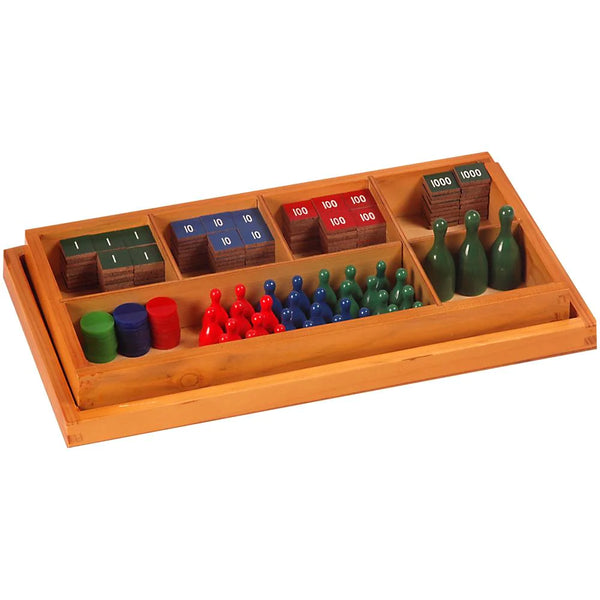
SkilloToys offers a range of Montessori language materials that are perfect for primary schoolers learning Telugu. These educational toys are designed to isolate concepts and provide hands-on experiences, making abstract letters concrete.
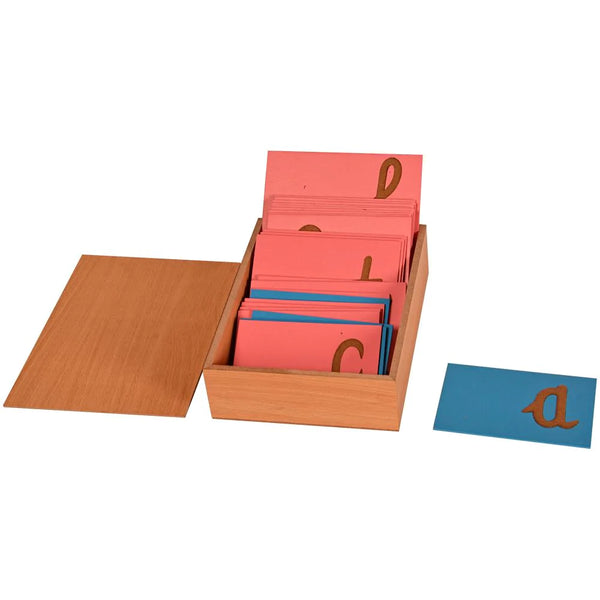
- Telugu Sandpaper Letters: These iconic Montessori materials allow children to trace the form of each Telugu letter with their finger, feeling its shape while simultaneously saying its phonetic sound. This tactile, auditory, and visual input helps solidify the letter's identity in the child's mind. For the unique curves and loops of Telugu script, this multi-sensory engagement is invaluable.
- Movable Telugu Alphabet: Once children have a grasp of individual letters, the movable alphabet lets them construct words without the fine motor demand of writing. This allows them to focus purely on phonetic composition, forming familiar Telugu words. This can be combined with puzzles that feature pictures and matching Telugu words, enhancing vocabulary and comprehension.
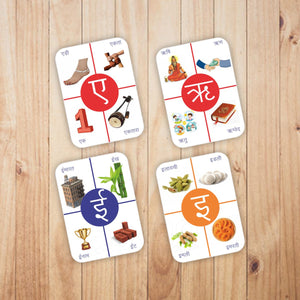
- Phonetic Picture Cards: Pairing clear pictures with their initial Telugu letter sound helps children connect the abstract symbol to concrete objects. For instance, a picture of a "Gadi" (clock) might be associated with the letter 'గ', reinforcing sound-symbol correspondence in a culturally relevant way. These can be integrated into fun activity kits for extended learning.
Fostering Language Development (5-8 Years) at Home: An Anti-Pressure Approach
Parents play a pivotal role in nurturing language development in primary schoolers. Instead of turning Telugu lessons into another set of homework, integrate it into daily life. Encourage children to identify Telugu letters with pictures in storybooks, on signboards during family outings, or even during festive preparations.
Allowing a child to learn Telugu for kids at their own pace, rather than pushing them to meet external academic benchmarks, builds confidence and a positive association with their mother tongue. Child development experts, including those from NCERT, emphasize the importance of play-based learning for children aged 5-8. This holistic approach ensures that while they learn the script, they also absorb the cultural nuances and joy of the language, often alongside grandparents who cherish sharing their linguistic heritage.
By choosing Montessori educational toys, you're not just buying materials; you're investing in a philosophy that respects your child's innate drive to learn, making the journey of mastering Telugu letters with pictures a truly enriching and pressure-free experience for your primary schooler.