Child-Centered Preschool Environment: India School Readiness Guide
A strong child-centered preschool environment significantly enhances a child's school readiness in India by fostering independence, critical thinking, and a profound love for learning. Research consistently shows that well-designed learning spaces empower children to explore, experiment, and develop crucial skills for future academic success, extending far beyond rote memorization. This approach helps ease the transition from home to formal schooling, building confidence and competence in young learners.
As innovative preschool designs emerge across India, inspired by recent projects that prioritize child-centered spaces – such as the reconfigured bright red preschool highlighted in Designboom – understanding their impact is vital. Indian parents, often navigating the pressures of academic competition, seek environments that truly prepare their little ones. This guide explores how the physical and philosophical aspects of a child-centered environment can be the best foundation for your child's educational journey.
What is a Child-Centered Preschool Environment?
A child-centered preschool environment prioritizes the individual child's needs, interests, and developmental pace over a rigid, teacher-led curriculum. This matters because it cultivates intrinsic motivation, active learning, and sustained engagement, which are crucial for early brain development. Indian parents can look for spaces that encourage exploration and provide age-appropriate, accessible resources, allowing children to lead their own learning journey.
Child development experts agree that environments designed around a child's natural curiosity and capabilities lead to more profound learning outcomes. It means a space where children are not just passive recipients of information but active participants in their growth. This fosters a sense of agency and confidence that will serve them well throughout their academic careers and beyond.
Montessori Prepared Environment: The Blueprint for Success
The concept of a Montessori prepared environment stands as a cornerstone of child-centered learning, offering a meticulously designed space that promotes independence, order, and concentration. Maria Montessori observed that children thrive in environments tailored to their developmental stages, where materials are accessible and purposeful. This holistic approach supports a child's natural inclination to learn and explore.
In such an environment, everything is child-sized – from tables and chairs to the shelves holding learning materials. This thoughtful design empowers children, giving them a sense of ownership and control over their surroundings, a feeling often limited in bustling joint family homes. This autonomy is vital for building self-esteem and decision-making skills.
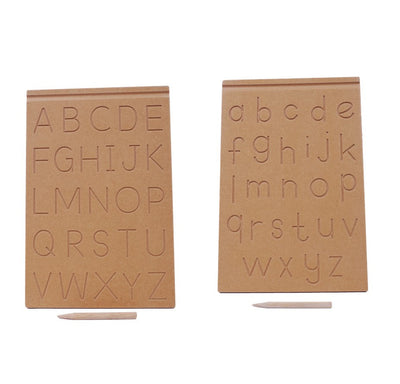
Furthermore, the Montessori prepared environment ensures that all learning materials are neatly organized and within reach, inviting children to choose activities based on their interests. Whether it's the precise sequencing of the Pink Tower to develop visual discrimination, or the tactile experience of Sandpaper Letters for early literacy, each material has a specific purpose. Studies indicate that children in these environments exhibit greater concentration and self-discipline, which are invaluable traits for school readiness.
Preschool Design India: Creating Engaging Learning Spaces for Kids
The landscape of preschool design India is evolving, with a growing recognition of how physical spaces profoundly influence learning and development. Modern designs are moving away from traditional, crowded classrooms towards bright, airy spaces that stimulate the senses and encourage exploration. This shift is vital for nurturing the whole child.
A well-designed preschool environment prioritizes natural light and good ventilation, contributing to a child's well-being and focus. Safety is paramount, with child-friendly furniture, secure outdoor play areas, and non-toxic materials. The rise of projects like the 'bright red preschool in India' exemplifies this innovative trend, showing how even existing structures can be reconfigured to prioritize a child's perspective.
Effective learning spaces for kids include clearly defined zones for various activities: a quiet corner for reading, an open area for collaborative play, and dedicated stations for practical life skills or art. These designated areas help children understand expectations and engage purposefully with their surroundings. Incorporating elements that reflect Indian culture, such as local art or stories, can also make the environment feel more familiar and comforting for young learners, connecting their learning to their heritage.
Beyond Walls: How an Early Learning Environment Nurtures Holistic Development
An effective early learning environment extends its impact far beyond academic preparation, fostering holistic development that includes social, emotional, and physical growth. It’s not just about what a child learns, but how they learn and grow as individuals. This comprehensive development is essential for navigating the challenges of formal schooling and life itself.
In a child-centered setting, children learn to navigate social interactions, resolve conflicts, and develop empathy through free play and group activities. They gain independence by managing their own work cycles, choosing activities, and tidying up. These experiences cultivate crucial problem-solving skills and self-regulation, attributes that prepare them for the structured environment of LKG and UKG in Indian schools.
Child development experts agree that a stimulating physical environment can boost cognitive development by up to 25% in the early years, facilitating language acquisition and logical reasoning. Moreover, an environment that values observation allows educators to truly understand each child's unique needs and strengths, offering individualized support. This personalized approach is a stark contrast to one-size-fits-all models and ensures every child, regardless of their background or learning style, feels valued and empowered.
Identifying a Strong School Readiness Environment for Your Child
For Indian parents, selecting a preschool that prioritizes a robust school readiness environment is a significant decision. It involves looking beyond surface-level aesthetics and delving into the philosophy and practical implementation of the space. Empower yourself with the knowledge to make an informed choice for your child's foundational years.
When visiting potential preschools, observe if children are actively engaged and moving freely, or if they are confined to desks. Are materials accessible and well-maintained? Does the staff interact with children as facilitators rather than solely instructors? Look for evidence of a curriculum that encourages hands-on exploration and critical thinking, rather than just memorization. The focus should be on building a genuine love for learning.
Additionally, consider the overall atmosphere: Is it calm and inviting, or chaotic and overstimulating? A good environment strikes a balance, providing both opportunities for energetic play and quiet contemplation. Ask about parent-teacher communication and how the school supports children's transition from preschool to primary school. Programs like ICDS's ECCE initiative in Diyun also highlight the national push for quality early childhood education, giving parents a framework to evaluate offerings.
By understanding and prioritizing a child-centered preschool environment, you equip your child with more than just academic knowledge. You provide them with the tools for lifelong learning, resilience, and a joyful approach to education, preparing them not just for school, but for life.
- A child-centered preschool environment significantly boosts school readiness in India.
- Montessori's prepared environment is a leading model for effective child-centered design.
- Thoughtful preschool design in India emphasizes natural light, safety, and defined learning zones.
- Holistic development, including social-emotional skills, thrives in responsive learning spaces.
- Parents should actively observe and question a preschool's environment to ensure it aligns with child-centered principles.
- Research confirms that stimulating environments enhance cognitive and emotional growth in young children.
What is the primary benefit of a child-centered preschool environment for Indian children?
The primary benefit is fostering intrinsic motivation, independence, and critical thinking skills. This approach moves beyond rote learning, empowering children to become active participants in their education, which is crucial for school readiness in India.
How does a Montessori prepared environment differ from traditional preschool classrooms?
A Montessori prepared environment differs by offering a meticulously designed space where children can freely choose activities, work independently, and learn at their own pace. Unlike traditional classrooms, it emphasizes self-correction and minimal direct instruction, promoting deeper understanding.
What key elements should Indian parents look for in preschool design?
Indian parents should look for elements like ample natural light, child-sized furniture, clearly defined learning zones, accessible materials, and a clean, safe, and stimulating environment. The design should support freedom of movement and quiet concentration.
Can a child-centered environment truly prepare a child for formal schooling in India?
Yes, a child-centered environment provides an excellent foundation for formal schooling in India by developing essential skills such as problem-solving, concentration, self-discipline, and a genuine love for learning. These skills are far more valuable than early rote memorization for long-term academic success.
How do Montessori materials support a child-centered learning space?
Montessori materials are self-correcting, hands-on, and designed to isolate specific concepts, allowing children to learn through discovery. They support a child-centered space by enabling independent exploration and mastery, fostering concentration and a deep understanding of concepts from mathematics to language.