Local Preschool Curriculum Changes India 2026: Montessori Guide
Local preschool curriculum changes India 2026 are setting a new standard for early education, focusing on holistic development over rote memorization, a shift affirmed by the National Education Policy (NEP) 2020. This evolution, as highlighted by recent reports on preschool education Ahmedabad changes, signifies a crucial move towards competency-based learning and experiential engagement for young children. Child development experts agree that preparing children for these shifts involves nurturing intrinsic motivation and practical life skills from home.
Adapting to new preschool curriculum means empowering children with foundational skills for independent learning and critical thinking, rather than just academic content. This matters because it prepares them for a future-ready education system that values understanding over rote memorization. Indian parents can achieve this by consciously integrating play-based learning and self-directed exploration into daily routines, laying a strong groundwork for enduring success.
Understanding India's Evolving Early Education Landscape
The news about significant changes in early education, particularly for preschool, LKG, and UKG stages by 2026, understandably creates a wave of questions for parents across India. For a 3-year-old like Aanya in a bustling Bengaluru joint family, or little Rohan whose parents live in a metropolitan flat, the implications of these early education trends India parents are hearing about feel very real. The core of this shift, heavily influenced by NEP 2020, moves away from a one-size-fits-all, academic-heavy approach towards a more child-centric, flexible, and play-based model.
The Shift from Rote: What Ahmedabad Tells Us
While the specifics are local, the underlying philosophy is national. Reports detailing preschool education Ahmedabad changes, for instance, describe a curriculum that prioritizes foundational literacy and numeracy, but crucially, through engaging, interactive methods. This means less time memorizing alphabets from a blackboard and more time experiencing language through stories, songs, and sensory activities. Research from institutions like the Indian Council of Medical Research (ICMR) consistently underlines the critical importance of early childhood experiences in shaping cognitive and emotional development, reinforcing this policy direction.
This shift reflects a growing understanding that true school readiness evolving curriculum isn't about how much a child can recall, but how well they can adapt, think critically, and apply what they learn. Parents often equate 'school readiness' with a child knowing their ABCs and 123s by heart. However, with these impending changes, true readiness means a child who can independently put on their shoes, choose an activity, clean up after themselves, and confidently ask for help. These practical life skills, often overlooked in the race for early academics, are the true bedrock of adapting to any new learning environment.
Montessori at Home: Adapting to New Preschool Curriculum
For Indian parents seeking a structured yet nurturing approach to adapting to new preschool curriculum, the Montessori method offers a timeless solution. Maria Montessori's philosophy, developed over a century ago, is remarkably aligned with the principles driving India's modern early education reforms: fostering independence, developing concentration, and cultivating a genuine love for learning. It's about empowering the child, not just instructing them.
Montessori home learning curriculum changes focus on creating a 'prepared environment' where children can explore, discover, and learn at their own pace. This doesn't require an entire classroom at home; it's about thoughtful spaces. For instance, having child-sized furniture, making everyday objects accessible, and involving children in practical daily tasks like pouring their own water or setting the table. Studies from organisations like Azim Premji University indicate that play-based learning, a cornerstone of Montessori, significantly improves problem-solving abilities in young Indian children compared to traditional methods.
Cultivating Independence for School Readiness in 2026
The essence of Montessori lies in developing self-reliance, a critical skill for school readiness in any evolving curriculum. Encourage your child to dress themselves, help with simple household chores, and make choices about their activities. These seemingly small actions build confidence and a sense of capability. Offering Montessori practical life materials, like dressing frames or pouring sets, provides structured opportunities for skill development that are both engaging and purposeful.
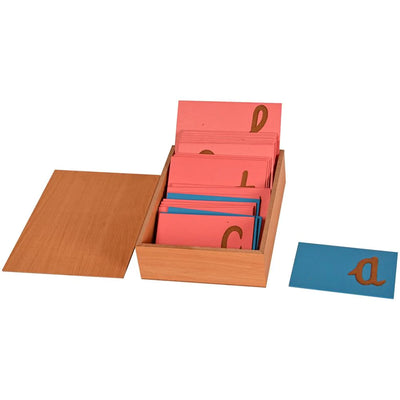
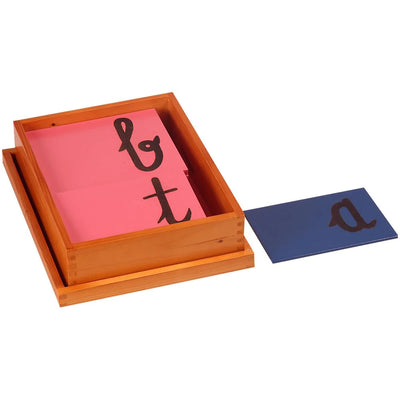
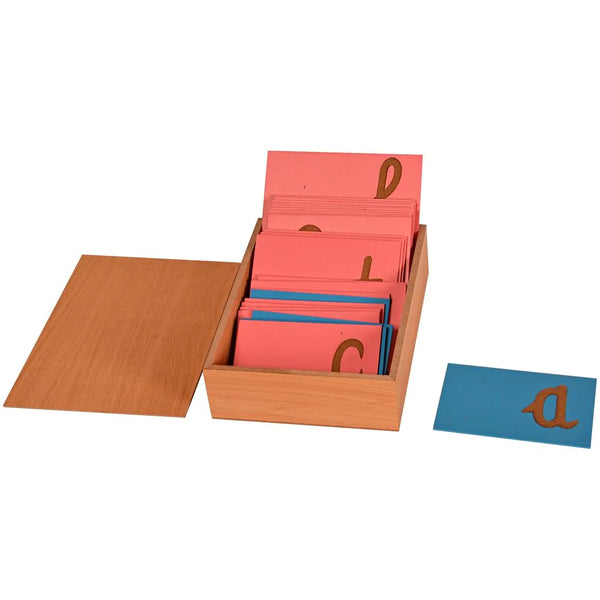
Beyond practical life, engage their senses. Montessori sensorial materials, such as the Pink Tower or knobbed cylinders, refine discrimination skills and lay abstract mathematical foundations concretely. For language development, instead of rote letter recitation, use sandpaper letters to introduce phonetic sounds, or simply engage in rich conversations and storytelling, perhaps with a grandparent narrating tales from their childhood, linking learning with cultural heritage.
Building Confidence Through Connection, Not Pressure
As the local preschool curriculum changes India 2026 come into effect, remember that your child's emotional well-being and confidence are paramount. The goal isn't to push for early academic achievement, but to nurture a curious, resilient, and self-motivated learner. Observe your child's interests and readiness, rather than comparing them to others. Every child, whether an 18-month-old exploring textures or a 4-year-old grappling with number concepts, learns uniquely.
Involving extended family, a hallmark of Indian culture, can also be a tremendous asset. Grandparents can offer a wealth of experiences, from gardening to traditional cooking, which are rich in practical life skills and sensory input, all while reinforcing cultural values. This collaborative home environment, coupled with a thoughtful Montessori approach, will empower your child to embrace the evolving educational landscape with joy and unwavering self-assurance.