Wooden Puzzles for Kids: Boost School Readiness in India
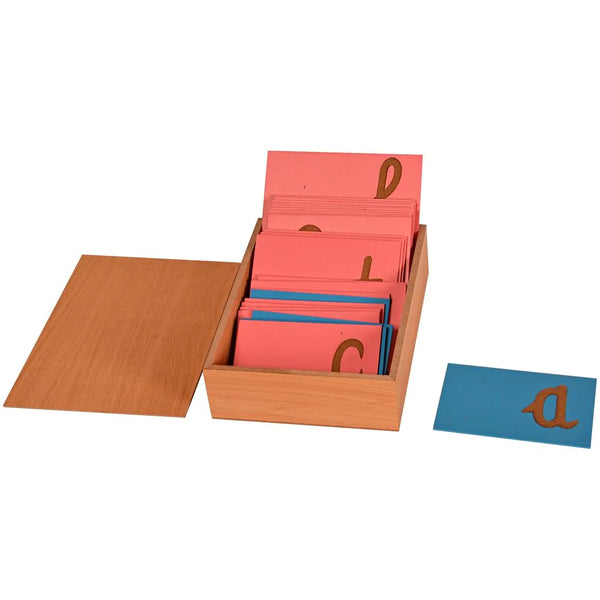
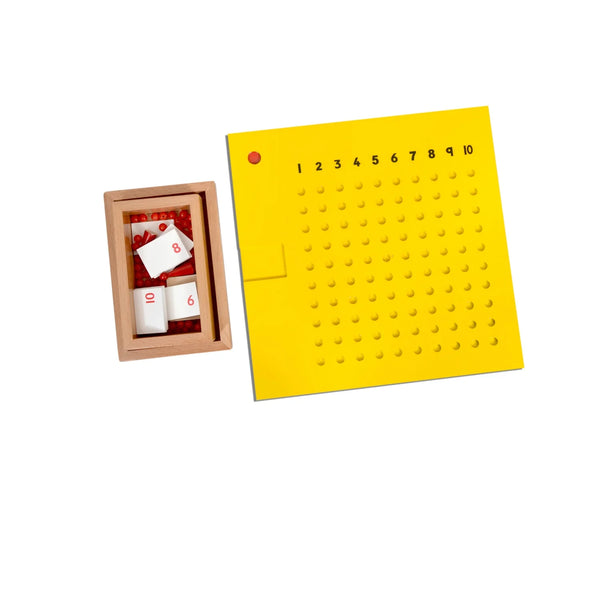
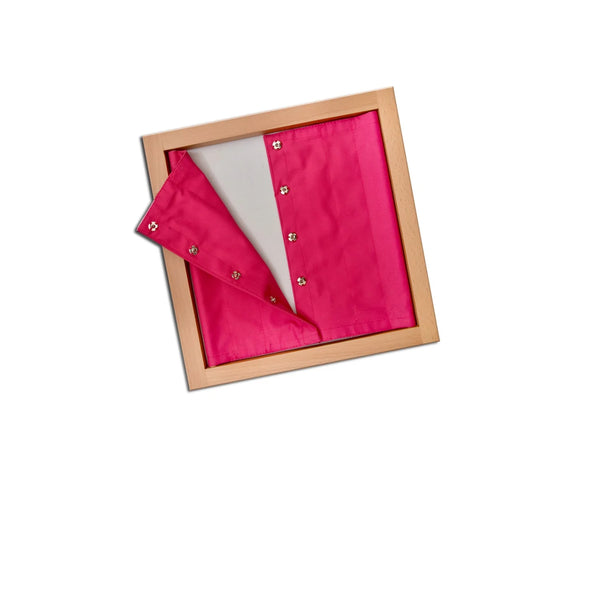
Wooden puzzles for kids are a foundational tool that definitively boost school readiness, equipping young Indian learners with crucial cognitive and physical skills for their educational journey. Child development experts widely agree that engaging with these tactile materials significantly enhances fine motor control, problem-solving, and spatial reasoning, preparing children for the academic demands of preschool, LKG, and UKG.
What are Educational Wooden Puzzles for Kids?
Educational wooden puzzles for kids are self-correcting learning tools designed from natural wood, promoting sensory engagement and skill development through manipulation. This matters because they offer concrete learning experiences that build neural pathways for abstract concepts. Indian parents can integrate them into daily play to strengthen foundational abilities without screen time.
With India's National Education Policy (NEP) 2020 strongly advocating for activity-based learning in the foundational stage, the role of educational puzzles for children has never been more relevant. This policy shift underscores the importance of holistic development, moving beyond rote learning to foster critical thinking and practical skills from an early age, aligning perfectly with Montessori principles.
Montessori Puzzles for School Readiness: Building Core Competencies
Montessori education, pioneered by Dr. Maria Montessori, emphasizes hands-on, self-directed learning, and wooden puzzles are central to this philosophy. Unlike conventional toys, Montessori puzzles are designed to isolate specific skills, allowing a child to master one concept at a time. For a 3-year-old in Bengaluru preparing for LKG, this means developing focus and precision that directly translate to classroom tasks.
Research consistently shows that engagement in structured play activities, like puzzles, significantly correlates with higher academic achievement in early primary years. This focused play helps children develop a strong internal drive for learning, moving beyond external motivation. The simple act of fitting pieces together builds a child's confidence and problem-solving muscle, crucial for the structured environment of an Indian school.
Benefits of Wooden Puzzles for Development: Beyond Just Play
The tactile nature of wooden puzzles provides a sensory richness that plastic toys often lack. The satisfying 'clunk' as a piece fits, or the smooth feel of polished wood, engages multiple senses, creating deeper neural pathways for learning. This sensory input is particularly beneficial for children in the 3-5 year old age group in India, helping them consolidate concepts more effectively.
Boosting Fine Motor Skills and Hand-Eye Coordination
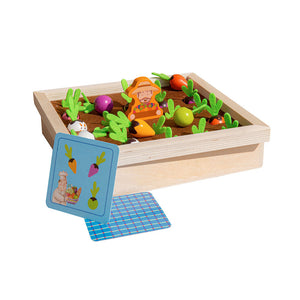
Picking up puzzle pieces, rotating them, and placing them accurately requires immense fine motor control and precise hand-eye coordination. These are the very skills that a child needs for holding a pencil correctly, drawing shapes, and eventually writing their name. Even simple wooden shape sorters are excellent for developing this dexterity, preparing tiny hands for the demands of school work.
Cultivating Problem-Solving and Spatial Reasoning
Every puzzle presents a problem to be solved: how do these disparate pieces form a whole? This process encourages critical thinking and logical deduction. Children learn to analyze shapes, colors, and patterns, developing crucial spatial reasoning that will aid them in subjects like mathematics and geometry in later years. It's an early lesson in systematic thinking, an invaluable skill for academic success.
Enhancing Concentration and Attention Span
In a world full of distractions, helping a child develop focus is paramount. Working on a puzzle requires sustained attention, encouraging a child to concentrate on a task until completion. This sustained engagement builds their attention span, a key predictor of success in a classroom setting where listening to the teacher and focusing on assignments are non-negotiable.
Choosing the Right Educational Puzzles for Children (3-5 Year Olds India)
When selecting puzzles for your child, consider their current developmental stage and interests. For toddlers around 18-24 months, start with simple knobbed puzzles with just a few large pieces. As they grow, progress to multi-piece wooden puzzles with increasing complexity, perhaps featuring familiar animals, vehicles, or even maps of India.
The magic of a wooden puzzle isn't just in completing it; it's in the repeated attempts, the frustration overcome, and the self-correction without adult intervention. This process, often overlooked, cultivates resilience and an internal locus of control – invaluable traits for a child navigating a new classroom environment and learning to ask for help when truly stuck, rather than giving up.
Integrating Puzzles into Daily Play for Indian Families
In many Indian joint families, grandparents often play a significant role in a child's early years. Encourage them to engage with the child during puzzle time, perhaps by describing the objects in the puzzle or asking questions. This not only strengthens bonds but also enhances language development and social skills, which are crucial for school readiness.
Dedicate a specific, quiet corner for puzzle play, free from digital distractions. Even 15-20 minutes of focused puzzle time each day can make a significant difference. Observe your child's approach – do they try to force pieces, or do they systematically explore options? This insight helps you understand their problem-solving style and when to gently guide, not solve for them.
Preparing a child for school is about more than just academics; it's about fostering a love for learning, building resilience, and developing fundamental skills. Wooden puzzles offer a beautiful, natural, and effective way to achieve this. By embracing these simple yet powerful tools, Indian parents can confidently equip their children for a successful and joyful educational journey.