Early Childhood Education India: A Parent's Guide
Early Childhood Education India is crucial for building a robust foundation for a child's future academic and personal success. This holistic approach, from birth to age eight, encompasses cognitive, social, emotional, and physical development, proving vital for preparing young Indian minds for formal schooling and life's challenges. Parents can actively implement ECE principles at home through engaging activities and a supportive environment, ensuring their child thrives.
As the recent ET Education story, 'Early Childhood Education (ECE): The opportunity every child deserves,' highlighted, investing in early learning yields significant dividends. Many Indian parents feel anxious about their child's school readiness for LKG or UKG, wondering if they are doing enough. This guide provides a structured approach to understanding and implementing ECE, giving you the confidence to nurture your child's innate potential.
What is Early Childhood Education?
Early Childhood Education (ECE) is a comprehensive approach focused on fostering a child's holistic development from birth through age eight. It emphasizes learning through play, exploration, and social interaction, building essential skills for future academic success and personal well-being. ECE is not just about academics; it encompasses social, emotional, physical, and cognitive growth, creating a well-rounded individual.
Importance of ECE for Kids in India: Building Strong Foundations
The importance of ECE for kids cannot be overstated, especially in a dynamic country like India where foundational learning can significantly impact future opportunities. Research shows that 90% of a child's brain develops by age five, making these early years critical for cognitive and emotional wiring. Early Childhood Education capitalizes on this window, establishing neural pathways for language, problem-solving, and social understanding.
The National Education Policy (NEP) 2020 strongly reinforces the ECE benefits India stands to gain, recognizing it as the bedrock for foundational literacy and numeracy. As 'Foundations First: How NEP 2020 is Shaping India’s Early Learning Revolution' by orfonline.org notes, a strong ECE framework addresses the 'early advantage' in learning levels, ensuring children enter Grade 1 not just ready for school, but ready to learn effectively. This proactive approach helps bridge learning gaps early on.
Child development experts agree that ECE provides children with essential social skills, teaching them to share, cooperate, and empathize – crucial for navigating classroom dynamics and the rich tapestry of Indian joint families. It instills curiosity, a love for learning, and resilience, empowering children to approach new challenges with confidence rather than fear.
Bringing Montessori ECE at Home: Practical Steps for Indian Parents
Implementing Montessori ECE at home is a powerful way to provide your child with a strong early learning foundation, regardless of formal preschool enrollment. Maria Montessori's philosophy centers on creating a 'prepared environment' where children can learn independently through self-directed activity and hands-on exploration. This empowers children to develop concentration, discipline, and a genuine love for learning.
You can begin by incorporating practical life materials into daily routines. Involve your child in simple household chores like pouring water, sweeping, or folding laundry, using child-sized tools. These activities not only develop fine motor skills and coordination but also build a sense of responsibility and contribution, which is highly valued in Indian households. Discover a range of practical life materials that can transform everyday tasks into meaningful learning.
Sensory exploration is another cornerstone. Provide materials that engage all five senses – from playing with traditional Indian spices (under supervision) to exploring different textures like silk, cotton, or wood. Our collection of sensory materials like the Pink Tower or tactile tablets helps refine discrimination and builds foundational understanding for abstract concepts.
Nurturing Holistic Early Learning for School Readiness in an Indian Context
Holistic early learning encompasses more than just academics; it’s about nurturing every facet of your child's development. For Indian parents, this means integrating cultural values and experiences into their learning journey. Encourage storytelling from grandparents, sharing tales from the Mahabharata or local folklore, which builds language skills and moral understanding.
Social-emotional development is paramount. In joint families, children naturally learn sharing and empathy. Facilitate these interactions, teaching polite greetings like 'Namaste' and expressing gratitude. Encourage them to manage emotions by providing a safe space to discuss feelings, much like how children learn patience and turn-taking during festival preparations or community gatherings.
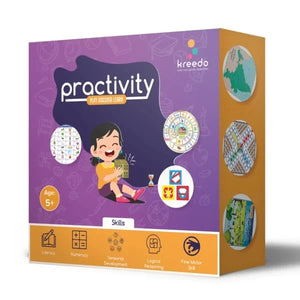
Cognitive skills can be honed through age-appropriate puzzles, sorting activities, and simple problem-solving games. Our puzzle toys are designed to foster critical thinking and spatial awareness. Physical development, both fine and gross motor skills, is crucial for writing and overall coordination. Encourage outdoor play, running, jumping, and intricate activities like stringing beads or making rangoli designs.
Navigating Preschool & Beyond: An ECE Guide for Indian Parents
When considering formal education, this preschool ECE guide aims to ease anxieties about LKG and UKG. Whether you choose a formal preschool or continue with a home-based learning approach, the focus should remain on child-centric methodologies that prioritize developmental milestones over rote learning. Look for environments that foster curiosity, independence, and a joyful approach to learning, rather than high-pressure academic settings.
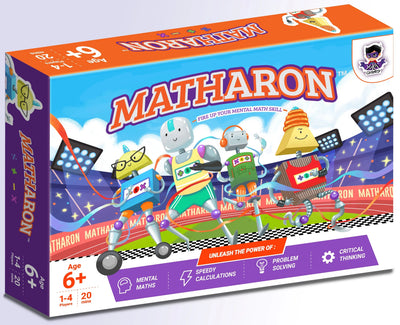
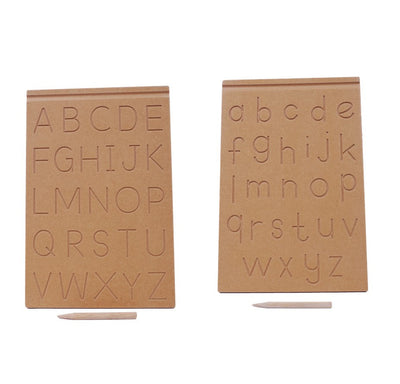
Preparing for school also involves developing strong language and pre-math skills. Engage your child with books, rhymes, and conversations in their mother tongue and English, building a rich vocabulary. Our language materials, such as sandpaper letters, are excellent for developing phonetic awareness. Similarly, mathematics materials introduce number concepts concretely, making learning fun and intuitive.
Remember, your role as a parent is the most influential. By understanding the principles of Early Childhood Education and applying them thoughtfully, you are not just preparing your child for school; you are equipping them with the tools for a lifetime of learning and personal fulfillment. Celebrate their small victories, embrace their natural curiosity, and watch them bloom into confident, capable individuals.
- Early Childhood Education (ECE) focuses on holistic development from birth to age eight, shaping cognitive, social, emotional, and physical skills.
- The first five years are critical, as 90% of brain development occurs during this period, making ECE foundational for future learning.
- NEP 2020 emphasizes universal access to quality ECE, promoting play-based learning to enhance foundational literacy and numeracy.
- Montessori principles, like a prepared environment and practical life activities, can be effectively implemented at home by Indian parents.
- Holistic early learning nurtures well-rounded children, integrating cultural contexts, social-emotional skills, and cognitive growth.
- Parents are key facilitators in ECE, creating a supportive and stimulating environment that fosters a love for lifelong learning.
What is the ideal age to start Early Childhood Education in India?
Early Childhood Education ideally begins from birth, focusing on foundational development through play and interaction. Formal preschooling often starts between 2.5 to 3 years in India, preparing children for LKG/UKG.
How does NEP 2020 impact Early Childhood Education in India?
The National Education Policy (NEP) 2020 significantly emphasizes ECE, advocating for universal access to quality foundational learning for all children. It highlights play-based, activity-based, and inquiry-based learning, aiming to improve literacy and numeracy levels by Grade 3.
Can I implement Montessori ECE principles at home without special training?
Absolutely. Parents can integrate Montessori ECE at home by creating a prepared environment, encouraging independence, offering age-appropriate activities, and fostering a love for learning through exploration and self-discovery. Simple practical life activities are a great start.
What are the main benefits of Early Childhood Education for my child?
Early Childhood Education offers numerous benefits, including enhanced cognitive skills, improved social-emotional development, better language acquisition, and superior problem-solving abilities. Children gain a crucial head start for formal schooling and future life challenges.
How can SkilloToys.com help with my child's ECE at home?
SkilloToys.com provides a curated range of Montessori educational toys designed to support various aspects of Early Childhood Education at home. Our materials encourage hands-on learning, independent exploration, and skill development across cognitive, sensory, and practical life domains.