Early Childhood Education India: Parent's Guide
Early childhood education India is fundamentally shaping the nation's future, ensuring every child receives the foundational learning necessary for success. Research shows that high-quality ECE programs lay a robust groundwork for cognitive, social, emotional, and physical development, directly impacting a child's school readiness and lifelong learning trajectory. Indian parents can confidently navigate their child's early years by understanding the core principles and benefits of this crucial educational stage.
The national discourse, amplified by recent news highlighting the importance of 'Foundations First' and NEP 2020's vision for early learning, underscores a vital truth: early years are foundational. Understanding what ECE entails, especially within our Indian context, is key to giving your child the best start.
Early Childhood Education (ECE) encompasses the period from birth through age eight, focusing on holistic development through structured play and learning experiences. This matters because it builds essential skills, fosters curiosity, and prepares children for formal schooling. Indian parents can actively support this phase by providing stimulating home environments and selecting appropriate learning resources.
Understanding Early Childhood Education in India: What is an ECE Program?
In India, an ECE program is a structured approach to fostering a child's all-round development, extending beyond mere academic preparation to nurture their cognitive, social, emotional, physical, and creative faculties. The National Education Policy (NEP) 2020 explicitly highlights ECE as a continuum, from Anganwadi centers to Balavatika programs, aiming to provide a seamless learning experience.
These programs integrate play-based learning, storytelling, and cultural activities, ensuring that children connect with their heritage while developing essential skills. Child development experts agree that a well-designed ECE program, such as those inspired by the Montessori method, emphasizes a prepared environment where children can learn at their own pace and choose activities that pique their interest, fostering independence and a love for learning.
The Holistic Benefits of ECE for Kids
The benefits of ECE for kids are profound and far-reaching, establishing a strong base for future academic success and overall well-being. Studies indicate that children who participate in quality ECE programs demonstrate significantly higher academic achievement and lower dropout rates in later schooling. A recent report highlighted that over 85% of a child's brain development occurs before age six, underscoring the critical importance of early learning experiences.
ECE fosters crucial language development, problem-solving abilities, and emotional regulation skills. Children learn to interact with peers, share, and resolve conflicts, vital social skills often nurtured through group activities and collaborative play. Specialized Montessori materials, such as the Pink Tower for spatial reasoning or Sandpaper Letters for early literacy, are instrumental in developing concentration and fine motor skills.
ECE for School Readiness: Preparing for LKG and UKG
Effective ECE for school readiness ensures that children are not just ready for LKG or UKG academically, but also possess the crucial social and emotional maturity needed for a classroom setting. This includes developing independence in daily tasks, a strong ability to concentrate, understanding and following instructions, and basic social etiquette.
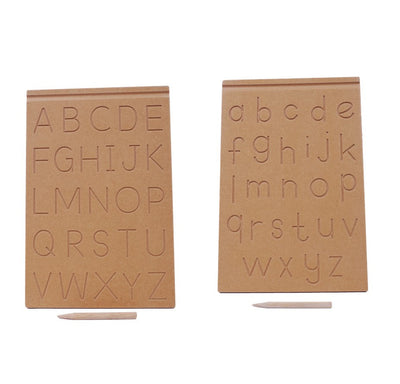
The transition from a familiar home or preschool environment to formal schooling can be significant. Quality ECE programs build resilience and confidence, allowing children to adapt more easily. Indian parents often find reassurance in seeing their child confidently navigate school expectations, a direct outcome of robust early learning foundations. Even grandparents in joint families play a crucial role, reinforcing values and stories that contribute to a child's holistic development, complementing the formal learning through resources like engaging language materials.
Empowering Parents: Supporting Your Child's Early Learning Journey
Parents are the child's first teachers, and their active involvement is paramount in reinforcing the benefits of ECE. Creating a stimulating home environment, filled with opportunities for exploration and discovery, significantly boosts a child's learning. This doesn't mean pressure; it means engaging in simple activities like reading together, having meaningful conversations, and encouraging creative play.
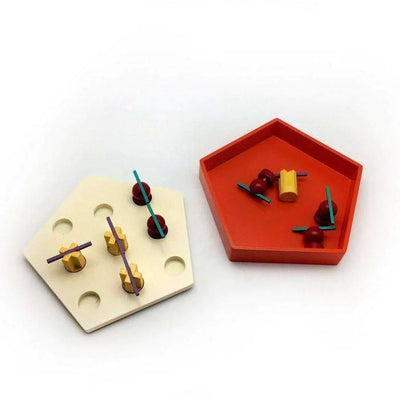
Providing access to age-appropriate, open-ended educational toys allows children to learn through hands-on experience, fostering their natural curiosity and problem-solving skills. Remember, the goal is to build a confident, curious, and resilient learner, ready to embrace the journey of formal education with joy and enthusiasm.
- Early Childhood Education in India is crucial for laying a robust foundation for a child's lifelong development.
- NEP 2020 emphasizes ECE as a critical continuum for holistic learning from birth to age eight.
- Quality ECE programs significantly enhance cognitive, social, emotional, and physical skills in young children.
- Montessori education, with its child-centered approach, is a highly effective methodology for early learning in India.
- Parental involvement, including a stimulating home environment and access to educational resources, is vital for reinforcing ECE benefits.
- School readiness encompasses independence, concentration, and social skills, extending beyond mere academic preparation for LKG and UKG.
What age range does Early Childhood Education cover in India?
In India, Early Childhood Education (ECE) typically covers children from birth to eight years old, with structured programs often beginning around ages 2-3 for preschool. This period is critical for developing foundational skills before they enter formal primary schooling.
How does ECE prepare children for formal schooling like LKG or UKG?
ECE prepares children by fostering essential skills like concentration, independence, problem-solving, and social interaction, which are vital for adapting to classroom environments. It ensures children are not only academically introduced to concepts but also emotionally and socially ready for structured learning.
What role does play have in Early Childhood Education?
Play is central to effective Early Childhood Education, as it is how young children naturally explore, discover, and learn. Through purposeful play, children develop creativity, critical thinking, language skills, and social competencies in a joyful and engaging manner.
How can parents support ECE at home?
Parents can support ECE at home by creating a stimulating environment, reading regularly, engaging in conversations, and providing age-appropriate educational toys and activities. Encouraging independence and fostering a love for learning are also crucial.
Is Montessori education considered a form of Early Childhood Education in India?
Yes, Montessori education is a highly respected and effective approach within Early Childhood Education in India, known for its child-centered methodology. It emphasizes self-directed activity, hands-on learning with specialized materials, and collaborative play, promoting holistic development.