Early Childhood Education Rural India: Montessori Prep
Many Indian parents in rural areas understandably wonder how to best prepare their children for the structured environment of school. Indeed, understanding and implementing effective early childhood education rural India is crucial for unlocking a child's full potential, a point highlighted by recent discussions like 'What do children in rural India do in their early years?' from Ideas for India. The Montessori approach offers a powerful, adaptable, and resource-conscious framework, transforming everyday activities into foundational learning experiences that truly prepare children for formal schooling.
What is Early Childhood Education?
Early Childhood Education (ECE) encompasses the period from birth to age eight, focusing on holistic development. This matters because it lays the essential foundation for a child's cognitive, social, emotional, and physical well-being. Indian parents can actively engage in ECE by creating a stimulating home environment and understanding their child's developmental needs.
Leveraging Early Years in Rural India: More Than Just Play
The early years in rural India present a unique tapestry of opportunities for growth. Unlike urban settings, where structured environments are often created artificially, rural children often experience a profound connection to nature, community, and practical life. This inherent freedom and daily interaction with the real world is not a deficit but a profound advantage, mirroring core Montessori principles like the 'prepared environment' and 'practical life' in an organic, deeply cultural way.
Research shows that children who engage with their environment through practical tasks develop stronger problem-solving skills and independence. Whether it's helping Dadi sort grains for dinner, fetching water, or observing local artisans, these real-world experiences are invaluable for early years rural India. The Roger Federer Foundation's work expanding early education across Southern Africa, as noted by The Times of India, underscores the global recognition of empowering local communities to foster early learning.
Montessori Rural Education: Simple Principles, Profound Impact
The Montessori method, often perceived as an urban luxury, is remarkably suited for montessori rural education. Its core tenets—child-led activity, concrete learning, observation, and respect for the child's innate capabilities—align seamlessly with the resourcefulness and community spirit found in rural India. Dr. Maria Montessori observed that children thrive in environments that allow them freedom within limits, purposeful work, and self-correction.
Consider the 'practical life' activities: helping with cooking, cleaning, or gardening. These aren't just chores; they're exercises in fine motor skills, concentration, sequence, and independence. A child helping knead dough develops hand strength and coordination. Sorting different types of pulses or vegetables teaches classification and logical thinking. These activities, common in rural Indian households, are natural Montessori lessons.
Building School Readiness for Rural Children at Home
Preparing school readiness rural children doesn't require expensive gadgets or formal classrooms. It starts with purposeful engagement and a thoughtful environment. Language development, for instance, thrives on rich conversation and storytelling. Grandparents, with their wealth of folktales and family histories, are invaluable resources for expanding a child's vocabulary and comprehension. Encourage children to describe what they see outdoors, the sounds they hear, and the textures they feel.
For fine motor skills crucial for writing, think beyond pencils. Activities like stringing beads (often available locally), rolling clay, drawing in the mud with sticks, or even picking up tiny seeds can build dexterity. Basic numeracy can be introduced by counting mangoes, grouping stones, or measuring water while watering plants. These are tangible, meaningful ways to learn.
The Role of Educational Toys in Rural Settings
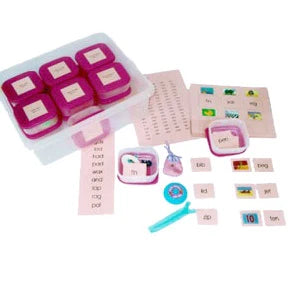
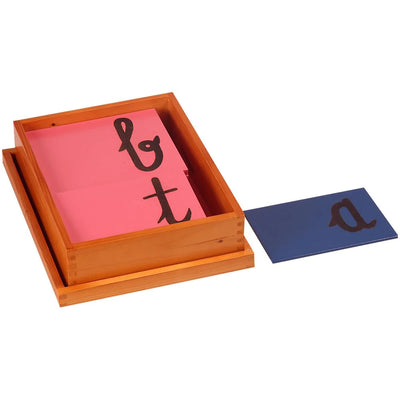
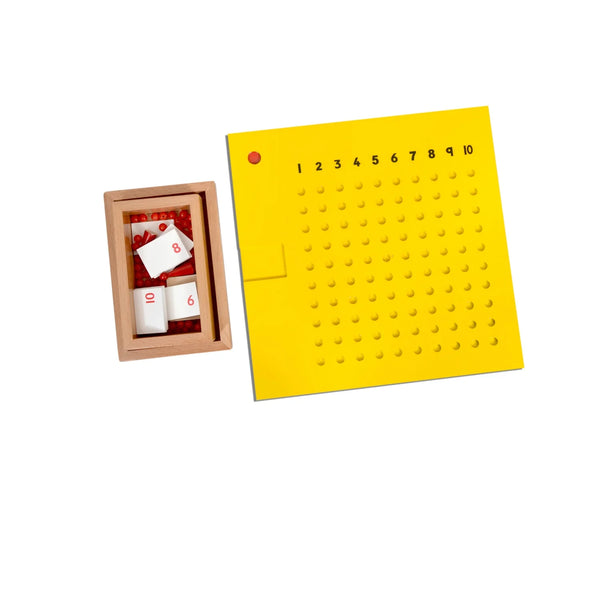
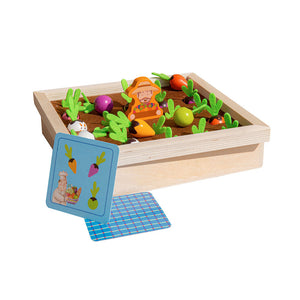
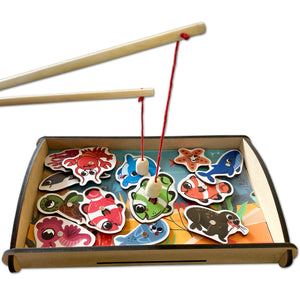
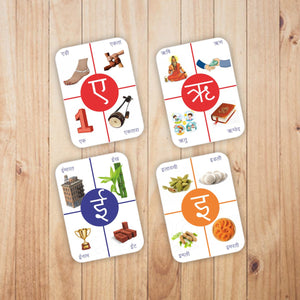
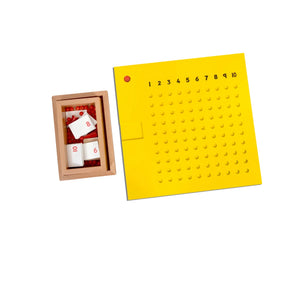
When it comes to educational toys rural India, the focus should be on quality over quantity, and purpose over novelty. SkilloToys embraces this philosophy, offering Montessori materials that are simple, made from natural materials, and designed for open-ended play. Such toys don't dictate how a child plays; instead, they invite exploration, problem-solving, and creativity. Think of durable wooden blocks, puzzles that build spatial reasoning, or simple sensorial materials.
Even if access to specific Montessori materials is limited, the principles can be applied. A set of varying-sized stones can teach gradation like a pink tower. Different leaves can be sorted by shape or texture. SkilloToys' Montessori Method Learning Materials are designed to be intuitive and engaging, providing structured learning through play that can complement a rich natural environment. These foundational tools, when integrated into a child's daily routine, bridge the gap between home-based learning and formal schooling expectations.
Understanding and nurturing early childhood education in rural India is not just about preparing children for school; it's about empowering them to become confident, capable individuals who can contribute meaningfully to their communities. By embracing the strengths of their environment and integrating practical, Montessori-inspired approaches, parents can build a strong foundation for their child's future. Tonight, during dinner, engage your child by asking them to describe two things they did or saw outdoors today, expanding their descriptive vocabulary and fostering a habit of observation.