Toys for 4 Year Old Boys: LKG & UKG Readiness in India
Choosing the right educational toys for 4 year old boys and girls is fundamental for successful LKG and UKG readiness in India, laying a strong foundation for their academic journey. SkilloToys.com emphasizes that age-appropriate Montessori materials foster essential skills like concentration, independence, and pre-literacy, which are crucial for navigating India's structured preschool environment. These specific toys bridge the gap between home play and formal learning, preparing children both cognitively and emotionally.
As Indian parents, the pressure to prepare children for LKG and UKG can feel immense, often leading to a focus on rote learning. However, research consistently shows that a play-based, skill-building approach yields better long-term outcomes. The importance of robust early childhood education, as highlighted by initiatives like Roger Federer's foundation expanding education across Southern Africa and the evolving preschool landscape in Indian cities like Ahmedabad, underscores a global and local recognition of these crucial formative years. It's not just about academics; it's about holistic development.
What is Montessori School Readiness for a 4-Year-Old?
"Montessori School Readiness" is about cultivating a child's intrinsic motivation and foundational skills for learning, rather than rote memorization. This matters because it equips children with adaptability and a lifelong love for knowledge, essential qualities for India's dynamic educational landscape. Indian parents can proactively support this by introducing open-ended, purposeful Montessori materials that encourage exploration and problem-solving.
At four years old, children are in a sensitive period for language, order, sensory exploration, and developing fine motor control. Dr. Maria Montessori observed that children this age thrive when given purposeful activities that allow them to discover concepts independently. This approach naturally aligns with the skills required for LKG and UKG, preparing them for everything from holding a pencil correctly to understanding basic mathematical sequences.
Developing Essential Skills with Educational Toys for 4-Year-Olds
For a 4-year-old, play is serious work. It's how they learn about the world, test theories, and develop critical skills. The right educational toys for 4-year-olds act as tools that facilitate this natural developmental process, rather than simply entertaining them. This period, often called the "absorbent mind" phase, means children effortlessly soak up information from their environment.
Studies indicate that children who engage with constructive play, especially with materials that encourage problem-solving and self-correction, develop stronger cognitive flexibility. This flexibility is key to handling new challenges in LKG and UKG, from learning a new alphabet sound to grasping the concept of sharing a snack with classmates.
Montessori Toys for Fine Motor Skill Development
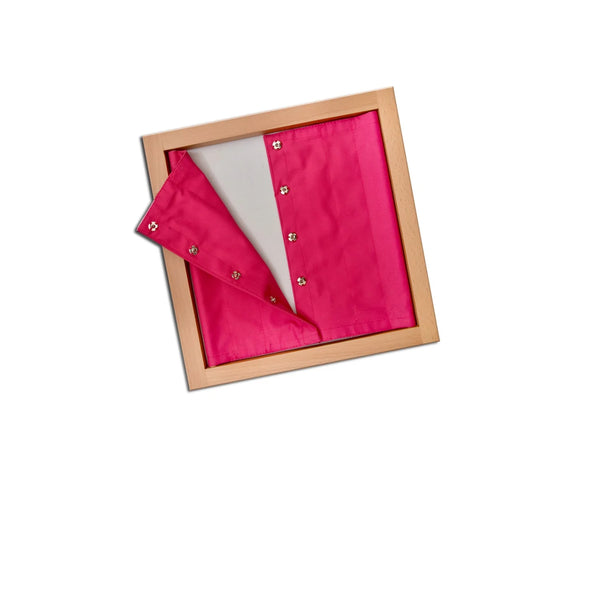
Fine motor skills are paramount for LKG and UKG readiness, directly impacting a child's ability to write, draw, and handle classroom materials. The precise movements involved in manipulating small objects strengthen hand-eye coordination and finger dexterity. Observing your child, like 4-year-old Rohan from Mumbai who carefully places beads onto a string, reveals their growing control.
- Bead Stringing and Lacing Sets: These activities require focused attention and precise finger movements, directly translating to the skills needed for holding a pencil or buttoning a shirt. The satisfying challenge of guiding the lace through a hole, then seeing the finished pattern, builds concentration.
- Transferring Activities (Scooping, Pouring): Using small scoops, spoons, and pitchers with different materials (like beans or water) helps refine hand movements and concentration. These practical life exercises, common in Montessori, foster independence and coordination, which is invaluable when a child needs to manage their own tiffin box or water bottle in school.
Explore our collection of Montessori fine motor materials for activities that delight and develop.
Nurturing Language and Pre-Literacy with Montessori Toys
At four, children's language explosion continues, and they begin to show immense curiosity about letters and sounds. Providing rich language experiences through toys that encourage vocabulary building and phonetic awareness prepares them for reading and writing in LKG and UKG.
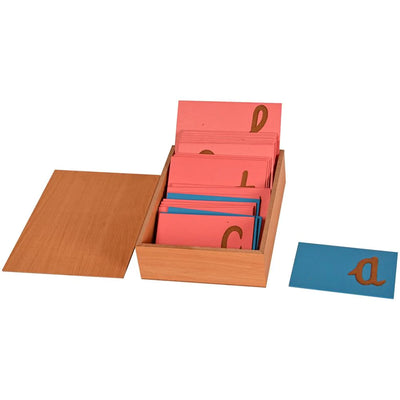
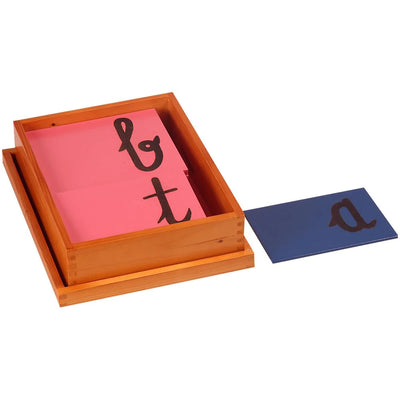
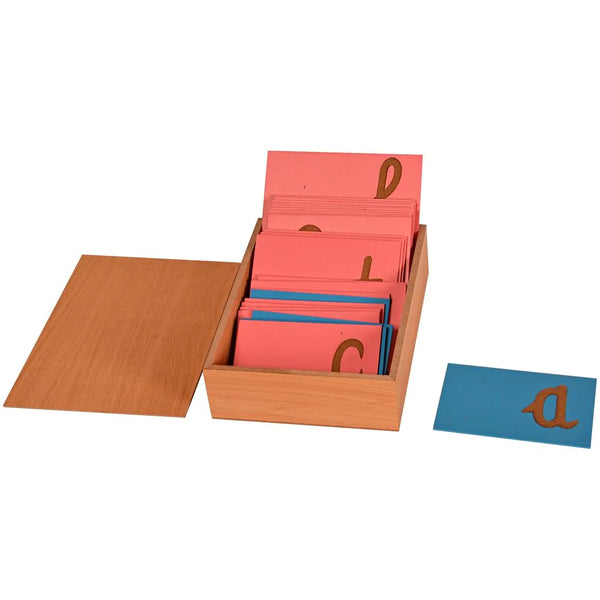
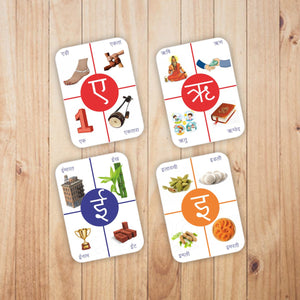
- Sandpaper Letters: These tactile materials allow children to trace the shape of letters while simultaneously hearing their sound, engaging multiple senses. This multi-sensory approach deeply imprints letter forms and sounds, making phonetic decoding easier later on.
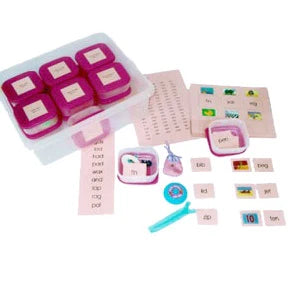
- Language Object Boxes: Small, categorized objects paired with their names help children build vocabulary and categorize concepts. For example, a box with miniature animals, where each animal's name is pronounced clearly, enhances both recognition and spoken language skills.
The National Council of Educational Research and Training (NCERT) emphasizes a holistic approach to language development in its early childhood education framework, where listening, speaking, reading, and writing are interconnected. Montessori materials provide an ideal scaffold for this.
Building Early Math and Cognitive Skills for UKG Preparation Toys
Montessori education introduces abstract mathematical concepts through concrete materials, making numbers tangible for young children. These materials are excellent UKG preparation toys, building a strong conceptual foundation rather than just memorizing numbers.
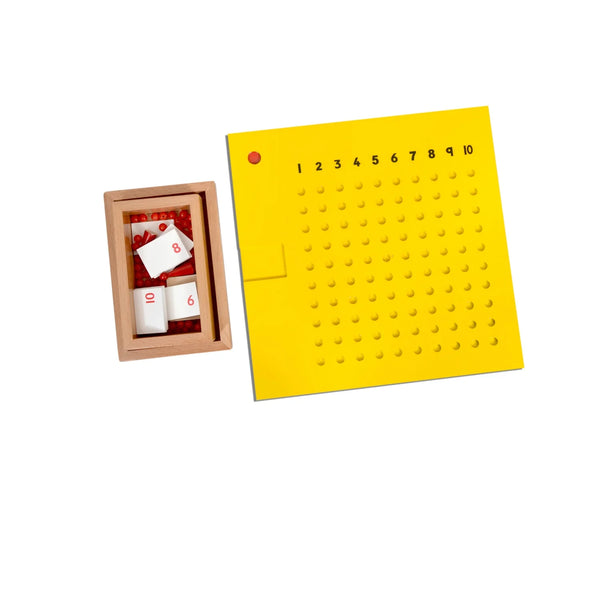
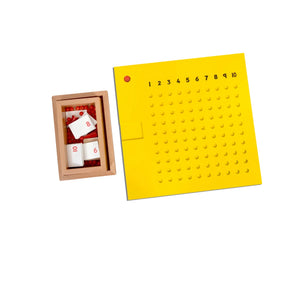
- Number Rods and Spindle Boxes: These help children understand quantities and associate them with numerals from 1 to 10. They learn to count by manipulating objects, grasping the actual value of a number before simply reciting it.
- Geometric Solids: These three-dimensional shapes help children develop an understanding of form, size, and spatial relationships. The Binomial Cube, for instance, isn't just a puzzle; it's a sensorial representation of an algebraic formula, laying subconscious groundwork for advanced mathematics. This kind of abstract thinking, cultivated through play, is a non-obvious insight into how Montessori prepares a child's brain for complex problem-solving far beyond rote arithmetic.
Child development experts agree that early exposure to concrete mathematical concepts through hands-on experiences significantly boosts a child's confidence and ability when they encounter abstract math in school. It's about building logical reasoning, not just counting.
Fostering Social-Emotional Development and Independence
School readiness isn't just about academics; it's also about a child's ability to separate from parents, follow classroom routines, and interact positively with peers. Montessori environments inherently encourage independence and respect for others, vital for Indian children entering LKG or UKG, especially from joint families where collaborative living is common.
Montessori Practical Life activities are invaluable here. Simple tasks like setting a small table, washing dishes, or watering plants (even small ones in a Bengaluru apartment) instill a sense of responsibility and self-efficacy. When 4-year-old Priya from a joint family in Chennai helps her Dadi prepare the puja thali, she's not just engaging in a cultural ritual; she's practicing sequencing, fine motor control, and contributing to her community – all skills that enhance her confidence in a classroom setting.
The ability to focus, complete a task, and then put away materials are all critical self-regulation skills fostered by the Montessori approach, directly benefiting a child's transition into formal schooling.
Choosing Montessori Toys for 4-Year-Old Girls and Boys: A Parent's Guide
When selecting Montessori toys for 4-year-olds, whether for boys or girls, focus on quality, purpose, and open-ended play. The goal is to choose toys that grow with the child, allowing for varied exploration and learning. Look for materials that:
- Promote Self-Correction: Many Montessori materials are designed so the child can discover their own mistakes and correct them without adult intervention, building resilience and problem-solving skills.
- Engage Multiple Senses: Toys that appeal to touch, sight, and sound create richer learning experiences. The satisfying clunk of one wooden block landing on another, or the varied textures of sorting materials, deepen engagement.
- Are Made from Natural Materials: Wooden and natural fiber toys offer a tactile richness and durability often absent in plastic alternatives. This aligns with a child's innate connection to nature and provides a calmer sensory experience.
Remember, the goal is not to rush learning but to foster a genuine love for it. By providing thoughtful, age-appropriate educational toys, you are equipping your 4-year-old with the tools not just for LKG and UKG, but for a lifetime of curious and independent learning, truly preparing them for their school journey ahead in India.