Early Literacy Fine Motor Skills: Tips for School Readiness
Nurturing essential early literacy fine motor skills is paramount for every Indian child’s success in preschool and beyond. Research shows that strong fine motor development, crucial for tasks like holding a pencil and turning pages, directly influences a child's readiness for LKG or UKG. Parents can proactively engage their children in hands-on activities to build these foundational abilities, ensuring a smoother transition to formal learning.
The recent Times of India report highlighting children attempting to 'swipe' physical books underscores a global concern now resonant with Indian families. This shift in interaction due to increased digital exposure necessitates a renewed focus on traditional, tangible play to cultivate the dexterity required for academic milestones.
What are Early Literacy Fine Motor Skills?
Early literacy fine motor skills involve the coordinated movements of small muscles in the hands and fingers, alongside hand-eye coordination. This matters because these skills are fundamental for holding a pencil, turning book pages, cutting with scissors, and manipulating learning materials, all essential for reading and writing. Indian parents can foster these skills through purposeful play and daily activities, building a strong foundation for future learning.
Child development experts agree that the years from birth to six are critical for developing foundational fine motor abilities that directly impact literacy acquisition. These skills aren't just about writing; they empower children to interact with their world confidently, from self-care tasks to artistic expression.
Addressing Screen Time Impact on Fine Motor Development
The rise of digital devices has undeniably shaped children's interactions, leading to concerns about screen time impact on fine motor development. The observation of children 'swiping' physical books instead of turning pages is a clear indicator that their fingers are accustomed to flat, smooth movements rather than the precise grip and dexterity needed for real-world objects.
Balancing screen time with hands-on activities is crucial. Parents in India can set clear boundaries, ensuring digital engagement complements, rather than replaces, physical exploration and play. Studies indicate that children with well-developed fine motor skills adapt more quickly to formal schooling, showing improved concentration and reduced frustration during learning tasks.
Practical Montessori Fine Motor Activities at Home for Pre-Writing Skills
Montessori principles emphasize purposeful activities that develop concentration, independence, and fine motor control. Many of these can be seamlessly integrated into Indian homes, fostering excellent pre-writing skills for preschoolers India.
Everyday Tasks & Traditional Play
In a typical Indian household, numerous opportunities exist to strengthen little fingers. Involve your child in simple chores like picking up lentils (dal) for sorting, helping to knead dough for rotis, or buttoning their own kurta. These practical life activities are invaluable.
Traditional Indian play also offers rich fine motor development. Creating rangoli patterns with coloured powders, stringing flowers for garlands during festivals, or using small, intricate pieces in traditional board games all enhance hand-eye coordination and precision. Grandparents, with their wealth of traditional knowledge, can be wonderful guides in these activities.
Targeted Educational Toys for Hand-Eye Coordination
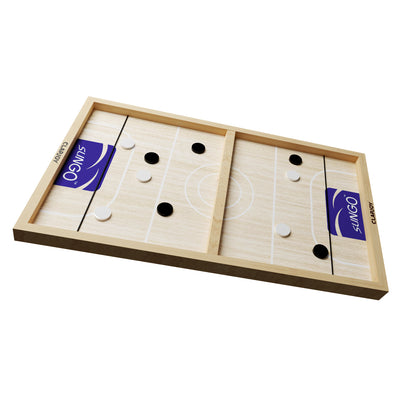
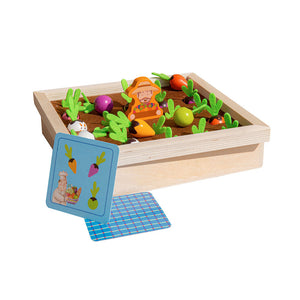
Investing in specific educational toys for fine motor skills can significantly boost development. SkilloToys.com offers a range of Montessori-inspired materials designed precisely for this purpose. Look for items that encourage grasping, manipulating, and precise placement.
Materials like Montessori Practical Life materials, such as pouring and scooping sets, build crucial hand-eye coordination. Bead threading activities enhance pincer grip and focus, while puzzles with knobs improve fine motor control and problem-solving. These activities are foundational for developing the controlled movements needed for writing.
Developing Hand-Eye Coordination for Writing and Turning Pages
The ability to turn pages gracefully is often overlooked but is a fundamental aspect of early literacy. It requires a refined pincer grip and coordinated hand movements. Similarly, proficient writing relies heavily on well-developed hand-eye coordination.
Encourage activities that specifically target these skills. Provide your child with a variety of art supplies like chunky crayons, chalk, and paintbrushes, allowing them to experiment with different grips and strokes. Tracing lines and shapes, playing with playdough, and engaging in simple cutting activities with child-safe scissors are excellent for building the strength and control needed.
For the specific challenge of how to help child turn pages, introduce board books and fabric books early on. Model the action of turning pages slowly and deliberately. As they grow, use books with thicker pages first, gradually moving to thinner ones. Reading together frequently not only fosters a love for books but also provides countless opportunities to practice this essential fine motor skill.
- Strong early literacy fine motor skills are critical for a child's success in LKG/UKG and beyond.
- Excessive screen time can negatively impact fine motor development, leading to difficulties with tasks like turning pages.
- Montessori fine motor activities, including practical life skills and traditional Indian play, are highly effective.
- Targeted educational toys like threading beads and puzzles significantly enhance hand-eye coordination.
- Consistent practice with activities like drawing, playdough, and reading together helps children master page-turning and pre-writing skills.
- Balancing digital exposure with hands-on experiences is crucial for holistic fine motor development.
Why are fine motor skills so important for early literacy in India?
Fine motor skills are crucial because they directly impact a child's ability to hold a pencil, turn pages, manipulate learning tools, and eventually write. In the Indian schooling system, strong pre-writing skills are essential for LKG/UKG readiness and academic success.
How does screen time impact a child's fine motor development?
Excessive screen time can hinder fine motor development by replacing hands-on activities that strengthen muscles and hand-eye coordination. Children may develop a 'swiping' motion rather than the pincer grip needed for manipulating objects, impacting their pre-writing skills for preschoolers India.
What are some effective Montessori fine motor activities at home?
Montessori fine motor activities at home include practical life skills like pouring water, spooning grains, buttoning clothes, and using tongs. Educational toys such as bead threading, puzzles, and pegboards are also excellent for developing precision and control.
When should I start focusing on my child's pre-writing skills?
Focusing on pre-writing skills for preschoolers India can begin as early as 18-24 months through activities that build hand strength and coordination. Formal letter formation comes later, but foundational skills like scribbling, drawing shapes, and using crayons are important precursors.
What specific educational toys can help improve hand-eye coordination for writing?
Educational toys for fine motor skills like shape sorters, lacing beads, stacking blocks, and puzzles significantly improve hand-eye coordination. Montessori materials such as cylinder blocks and dressing frames are particularly effective for developing refined motor control necessary for writing.