Educational Toys for School Readiness in India
Educational toys are not merely playthings but essential tools that foster holistic development, directly impacting a child's readiness for formal schooling in India. Research consistently shows that purposeful play with the right materials builds critical cognitive, motor, and socio-emotional skills far beyond what rote learning alone can achieve, giving children a robust foundation for LKG and UKG success.
Many Indian parents feel the pressure of school admissions, worrying if their little one is 'smart enough' or 'ready'. This guide offers reassurance and practical steps, highlighting how engaging with the right educational toys can transform anxiety into confidence, preparing your child for the unique environment of Indian preschools and beyond.
What are Educational Toys for Preschoolers in India?
Educational toys are thoughtfully designed materials that engage a child's natural curiosity and encourage learning through hands-on exploration. This matters because they develop essential skills like problem-solving, concentration, and independence, rather than just imparting facts. Indian parents can confidently select these toys to nurture a well-rounded learner prepared for the challenges of school.
Unlike simple entertainment, educational toys serve a specific developmental purpose. They might help a 3-year-old in Bengaluru practice their pincer grasp with small pegs, strengthening muscles vital for holding a pencil, or teach a child in a joint family in Chennai about sequencing through nesting dolls. These activities build foundational skills that are crucial for formal learning, aligning with the holistic development goals often highlighted in India's Early Childhood Care and Education (ECCE) frameworks.
Beyond Academics: Why Educational Toys Matter for Indian School Readiness
The concept of 'school readiness' in India is evolving. While academic prowess is often emphasized, experts like Maria Montessori and organizations such as NCERT stress the importance of a child's overall development. True readiness means a child is emotionally resilient, socially adaptable, physically capable, and cognitively curious.
The importance of educational toys lies in their ability to nurture these non-academic skills. When a child learns to sort beads by colour or size, they aren't just memorizing; they are developing logical thinking and concentration. When they build a tower of blocks, they learn about balance, spatial reasoning, and perseverance – invaluable lessons for any classroom, from a bustling preschool in Ahmedabad to a quieter setting in rural India.
Studies indicate that children engaged in active, hands-on learning show better self-regulation and problem-solving abilities. This contrasts with passive consumption of content, which can sometimes hinder the development of intrinsic motivation. Educational toys empower children to be active participants in their learning journey, a quality that makes a significant difference in a child's ability to thrive in a structured school environment.
Choosing the Best Educational Toys for School Readiness
Selecting the right educational toys can feel overwhelming with so many options available. The key is to look for toys that are age-appropriate, open-ended, and encourage active engagement rather than passive observation. For preschoolers preparing for LKG or UKG, prioritize materials that build fine motor skills, logical thinking, language development, and sensory exploration.
How to Choose Educational Toys Effectively:
When selecting toys, consider your child's current developmental stage and interests. A 4-year-old Aarya in a Bangalore apartment, for instance, might be fascinated by puzzles that teach shapes and patterns, while her younger sibling, a 2-year-old, might be more engaged with simple stacking rings. Observe what truly captures their attention and offers a gentle challenge without frustration.
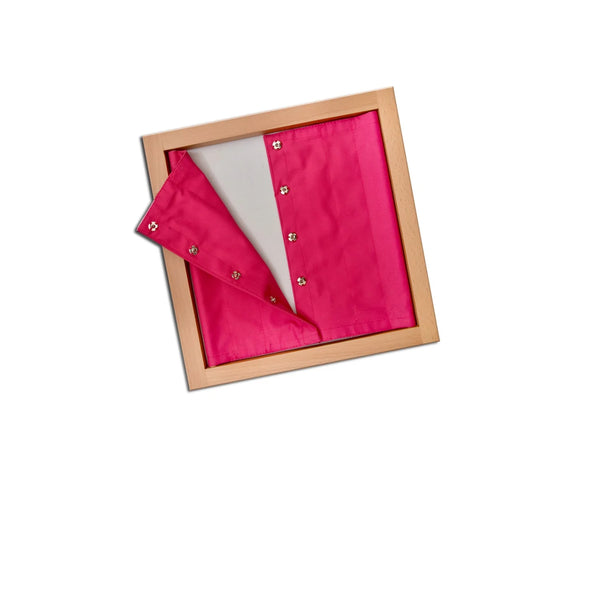
- Fine Motor Skills: Look for Montessori practical life materials like lacing beads, sorting trays, or wooden puzzles. These refine hand-eye coordination and strengthen finger muscles crucial for writing.
- Cognitive Development: Building blocks, shape sorters, and sequencing cards help with problem-solving, logical thinking, and understanding cause and effect.
- Language & Literacy: Story cards, alphabet puzzles, and even simple wooden letters encourage word recognition and pre-reading skills.
- Sensory Exploration: Textured blocks, sound cylinders, or smell bottles engage multiple senses, enhancing perception and focus.
Remember, the best educational toys are often the simplest ones, made from natural materials like wood. They invite the child to do the imagining and exploring, fostering creativity far more than flashy electronic gadgets that dictate the play.
Montessori Principles: A Powerful Approach to Educational Toys for Indian Children
The Montessori philosophy, founded by Dr. Maria Montessori, offers a timeless framework for educational play that resonates deeply with Indian values of respect for the child and self-reliance. It emphasizes purposeful, hands-on learning with carefully designed materials that allow children to discover concepts at their own pace.
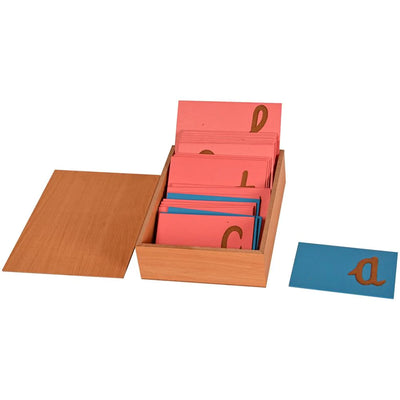
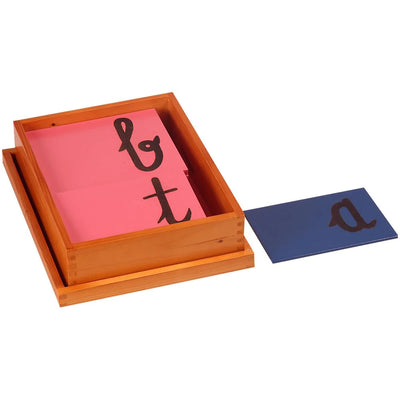
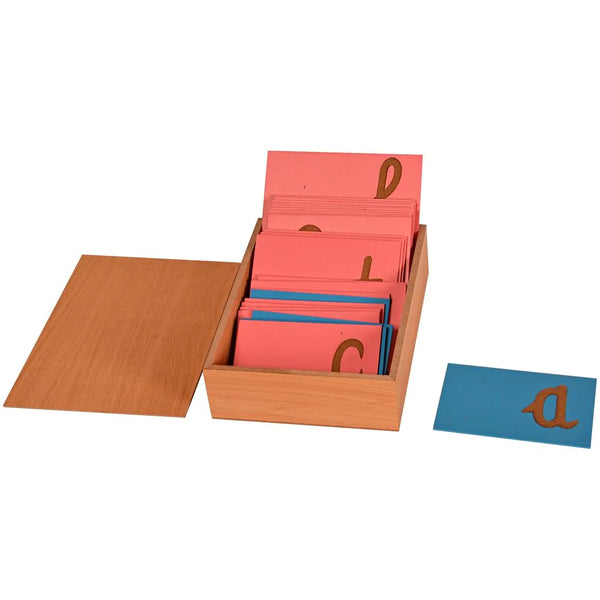
For school readiness, Montessori educational toys are unparalleled. The Pink Tower, for example, isn't just a set of blocks; it's a tool that teaches visual discrimination of size, order, and concentration. The Sandpaper Letters provide a tactile experience for learning letter shapes and sounds, preparing a child for reading and writing through sensory input rather than abstract memorization.
Child development experts agree that this approach cultivates independence, focus, and a deep love for learning. These are precisely the qualities that help children adapt to the structured environment of LKG and UKG, giving them an edge not just academically, but in developing into confident, self-reliant individuals.
Integrating Educational Toys into Your Indian Home Life
Bringing educational toys into your home doesn't require a dedicated playroom; even small spaces can become learning zones. The key is thoughtful integration into daily routines, making learning a natural and joyful part of family life.
Consider creating a 'work shelf' at your child's height with a few rotating educational toys. This fosters choice and independence, crucial elements of the Montessori method. During festival preparations, like Diwali, simple sorting activities with pulses or decorating with natural materials can become fun, educational experiences. This weaves learning into the rich tapestry of Indian family traditions.
Grandparents often play a significant role in Indian households, and they can be wonderful allies. Instead of just entertaining, encourage them to engage with the child's educational toys, perhaps demonstrating how to build a block tower or sounding out letters. This shared activity strengthens bonds while reinforcing learning, transforming traditional wisdom into modern developmental support. The habit of Indian dadis massaging babies, for instance, provides proprioceptive input, a principle now recognized globally for infant self-regulation, showing how traditional practices align with developmental science.
Ultimately, preparing your child for school with educational toys is about building confidence, fostering curiosity, and laying a solid foundation for a lifelong love of learning. It's about empowering them to embrace the adventures of school, not just survive them. Trust in your child's innate ability to learn through play, and you'll find the journey to school readiness becomes a joyful exploration for the entire family.