Educational Toys: Montessori Strategies for School Readiness
Preparing your little one for preschool, LKG, or UKG can feel like a daunting task for many Indian parents. The pressure to ensure children are 'ready' often leads to anxiety, especially when balancing traditional expectations with modern educational approaches. But what if we told you that the key to unlocking your child's potential for school readiness lies not in rote memorization, but in the purposeful use of educational toys?
By offering structured, purposeful activities, educational toys, especially when guided by Montessori strategies, foster fine motor skills, cognitive abilities, language development, and independence. This article guides Indian parents on how to transform everyday playtime into powerful learning experiences, preparing children not just for school, but for a lifelong love of learning.
What are School Readiness Skills?
School readiness skills are the foundational cognitive, social, emotional, and physical abilities children need to thrive in a structured learning environment. These skills, including fine motor control, attention, language comprehension, and self-help, ensure a smoother, more confident transition from home to preschool or LKG. They are not merely academic, but encompass a child's holistic development.
Beyond Play: The Montessori Approach to Educational Toys
Dr. Maria Montessori, a pioneering educator, understood that children learn best through self-directed, hands-on exploration. Her philosophy emphasizes that children are intrinsically motivated learners, and a carefully prepared environment, rich with purpose-built Montessori toys for skill development, empowers them. For parents in Bengaluru and across India, this means moving beyond passive play to guided, intentional engagement that builds distinct school readiness skills.
Research consistently shows that active, sensory-rich experiences lead to deeper learning and retention than passive observation. Instead of merely buying educational toys, the Montessori strategy teaches parents to observe their child, present materials appropriately, and allow them to discover concepts at their own pace. This approach respects the child's innate curiosity and builds genuine understanding.
Building Blocks of Readiness: Montessori Strategies with Educational Toys
Child development experts agree that a holistic approach to early learning skills in India yields the best results. Here's how specific Montessori activities for school readiness, using educational toys, can help.
Mastering Fine Motor Skills for Effortless Writing
Before a child can hold a pencil with ease, they need to develop strong fine motor skills. This isn't just about small muscle control; it's about precision, hand-eye coordination, and finger strength. Traditional Indian practices, like picking up small grains, have always understood this, and Montessori methods take it further.
- Practical Life Activities: Introduce simple tasks like pouring water from a small jug, scooping rice with a spoon, or transferring beads with tongs. These seemingly simple tasks strengthen tiny hand muscles and develop concentration. Imagine a three-year-old in a joint family carefully pouring water from a small kalash into a glass, mimicking the elders during a puja – it's purposeful, practical, and potent for fine motor development.
- Knobbed Cylinders and Puzzles: Manipulating Montessori fine motor materials like knobbed cylinders or intricate puzzles requires precise gripping and placement. The satisfying clunk of a cylinder fitting perfectly or the focus needed to complete a puzzle piece by piece builds not just dexterity but also problem-solving skills and patience.
Cultivating Concentration and Problem-Solving
In a world of constant digital stimulation, developing a child's ability to focus is paramount for school success. Montessori educational toys are masters at this, drawing a child into deep, uninterrupted engagement.
- The Pink Tower & Broad Stair: These sensorial materials invite children to stack blocks in graduating sizes. The challenge of balancing, the visual discrimination required, and the self-correction involved (if a tower topples) naturally extends a child's concentration span. Such activities train the brain for sustained attention, a crucial skill for classroom learning.
- Sorting and Classification Games: Presenting a basket of mixed objects (like buttons, pebbles, leaves from the garden) and asking a child to sort them by colour, shape, or texture sharpens their logical reasoning. This is how to use educational toys to teach critical thinking – not through direct instruction, but through guided discovery.
Sparking Language and Early Literacy Skills
A rich linguistic environment is the bedrock of academic achievement. For Indian children navigating multiple languages at home and in school, strong language skills are even more vital. Montessori materials provide tangible ways to explore sounds, letters, and words.
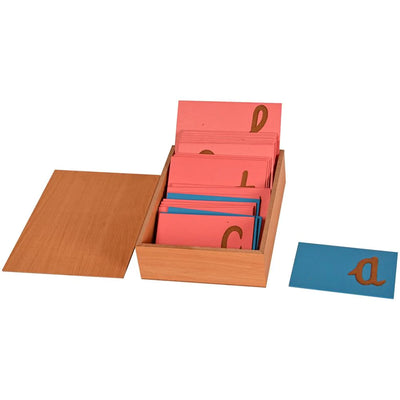
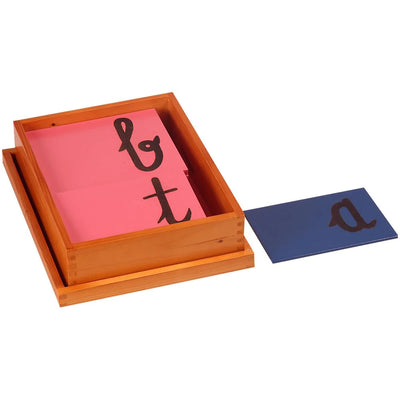
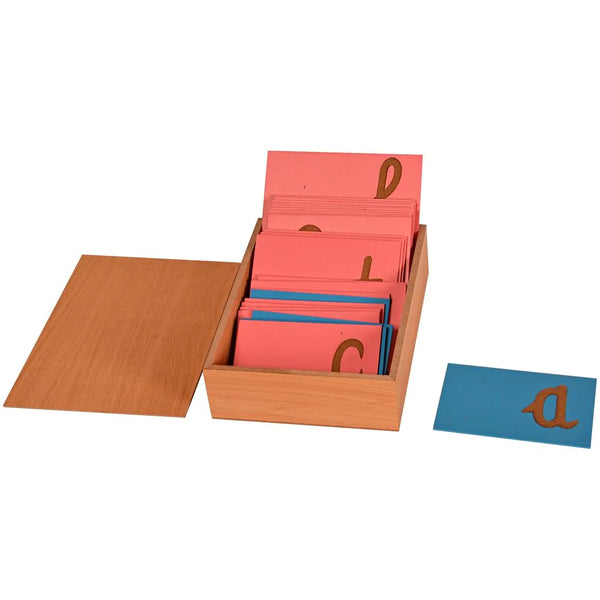
- Sandpaper Letters: These tactile letters allow children to trace the shape of each letter, associating its form with its sound. This multi-sensory approach makes learning the alphabet a concrete, memorable experience, a powerful tool for Montessori school readiness.
- Object Baskets and Story Cards: Create small baskets with themed objects (e.g., farm animals, kitchen items). Encourage your child to name each object, describe it, and eventually use it in a sentence. Story sequencing cards help children understand narrative structure, crucial for reading comprehension. Grandpa narrating folk tales while the child arranges picture cards can be a beautiful blend of tradition and Montessori.
Fostering Independence and Self-Confidence
The ability to care for oneself and contribute to one's environment builds immense self-esteem. In a busy urban Indian household, giving children responsibilities fosters a sense of belonging and capability.
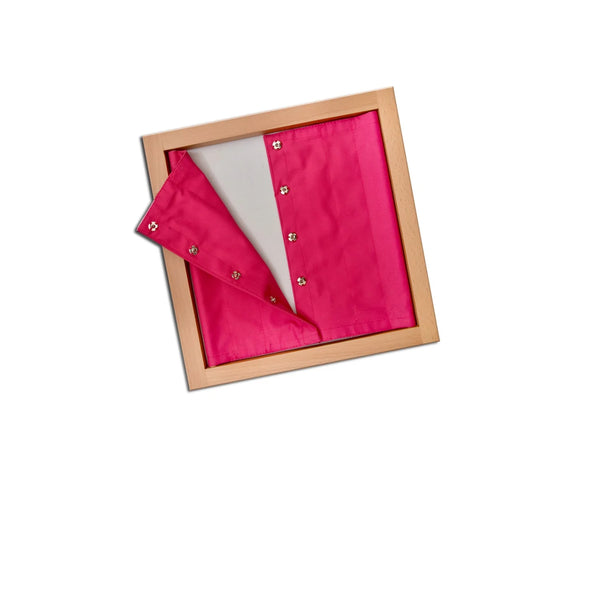
- Practical Life Dressing Frames: Frames with buttons, zippers, snaps, and laces allow children to practice essential self-help skills. Mastering these tasks before school means less frustration and more confidence when getting ready for school each morning.
- Child-Sized Cleaning Tools: Providing a small broom, duster, or sponge empowers children to help with household chores. Whether it's sweeping up after playtime or wiping a spilled snack, these activities teach responsibility and contribute to a child's developing sense of order and competence. You can explore a wide range of Montessori method learning materials and toys at SkilloToys.
The Indian Parent's Advantage: Weaving Montessori into Daily Life
The beauty of Montessori is its adaptability. In many Indian homes, the emphasis on family, shared chores, and respect for elders naturally aligns with Montessori principles of community and practical life. Instead of adding 'extra' lessons, consider how existing family routines can become learning opportunities.
Perhaps a grandparent can guide a child in sorting lentils for dinner, or during a festival, a child can help arrange diyas. These are rich, culturally resonant ways to practice early learning skills in India. The key is mindful interaction – observing, guiding, and providing freedom within limits.
Beyond the Exam: True Readiness for a Lifetime of Learning
The current news context, with calls for technical support to Early Childhood Care and Education in India, highlights the growing recognition of the importance of robust early learning. This isn't about coaching for entrance exams or pressuring toddlers to perform. It's about building a solid foundation where learning is a joyful, natural process.
As NCERT's 2019 framework for Early Childhood Care and Education identifies, holistic development is paramount. Studies indicate that children who engage in hands-on, purposeful play develop stronger problem-solving skills and a more robust love for learning than those primarily exposed to rote memorization. This deeper, process-oriented engagement, fostered by Montessori educational toys, equips a child with true confidence, curiosity, and the resilience needed to thrive in any classroom, anywhere in India.
Your child's journey to school readiness is a shared adventure. With purposeful engagement and the right educational toys, you can equip them not just to attend school, but to truly flourish.