Evolving Preschool Education India: Ready for 2026
As Indian parents look towards 2026, the question of school readiness takes on new dimensions with the significant shifts occurring in early childhood education. The Evolving Preschool Education India landscape demands a forward-thinking approach, moving beyond traditional rote learning to foster truly holistic development. This guide empowers parents to understand these crucial changes and prepare their children effectively for the future, whether they live in a bustling Bengaluru apartment or a close-knit joint family in a smaller town.
Evolving Preschool Education India refers to the significant shifts in curriculum, pedagogy, and philosophy within early childhood learning environments nationwide. This matters because a child's foundational years critically shape their cognitive and socio-emotional development. Indian parents can adapt by understanding these changes and integrating supportive learning practices at home.
Why the Indian Preschool Landscape Is Shifting So Rapidly
The landscape of early childhood education in India is undergoing a profound transformation, driven by various factors from urbanisation to policy reforms. Research shows that this shift is a response to the global understanding of early brain development and the need to equip children with 21st-century skills, rather than merely foundational literacy.
One primary catalyst is the National Education Policy (NEP) 2020, which places a strong emphasis on Early Childhood Care and Education (ECCE). This policy advocates for a flexible, multi-faceted, activity-based, and inquiry-based learning approach for children aged 3-8, moving away from rigid, academic-heavy models often seen in the past. This re-evaluation ensures that what children in rural India do in their early years, like imaginative play with natural materials, gains equal importance to structured learning.
From Rote Learning to Holistic Growth: Preschool Curriculum Changes India
The most significant shift in preschool curriculum changes India is the move from rote memorisation to experiential learning. Child development experts agree that early years are for developing curiosity, critical thinking, and problem-solving, not just memorising alphabets or numbers prematurely. This impacts how teachers engage children, fostering active participation rather than passive reception of information.
For instance, instead of endless worksheets, children might be encouraged to sort objects by colour and size, build towers with wooden blocks, or participate in storytelling that encourages empathy and imagination. This shift aims to nurture well-rounded individuals ready for complex challenges, as highlighted by organisations like Insights IAS discussing early investment in children.
The Digital Integration Myth: Understanding Technology in Early Years
While the news might suggest a rush towards digital classrooms, the actual trend in future of preschools India for early years is a nuanced integration of technology. Studies indicate that excessive screen time in early childhood can hinder crucial developmental milestones. Instead, the focus is on using technology as a supplementary tool for exploration or creative expression, rather than a primary mode of instruction.
Parents should be wary of preschools promising extensive tablet-based learning for toddlers. The American Academy of Pediatrics recommends minimal screen exposure for children under two, and limited, high-quality interactive content for 2-5 year olds. Real, tangible interactions with the world and hands-on learning remain paramount for brain development.
Montessori in Evolving Preschools: A Timeless Approach for 2026 Readiness
Amidst these changes, the Montessori method stands out as an exceptionally relevant and effective approach for Montessori in evolving preschools, aligning perfectly with the vision for 2026 school readiness. Maria Montessori's philosophy, developed over a century ago, prioritises self-directed activity, hands-on learning, and collaborative play, principles that are now central to modern educational reforms.
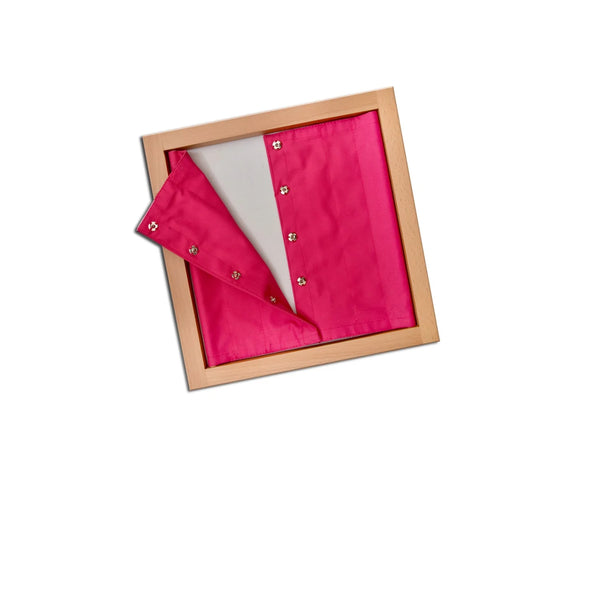
Montessori education focuses on preparing the child for life, not just for school. This means cultivating independence, concentration, and practical life skills – like dressing themselves, pouring water, or buttoning shirts. These aren't just quaint activities; they build fine motor skills, coordination, and the inner discipline necessary for academic success and self-reliance.
Practical Life Skills for Everyday Independence
In a typical Indian household, whether a nuclear family or a joint family with grandparents, children often have many tasks done for them. However, for 2026 school readiness, fostering practical life skills is crucial. Activities like setting the table, wiping spills, or arranging their toys teach responsibility and contribute to a child's sense of competence.
Montessori classrooms, for instance, use specially designed materials for activities like spooning, sweeping, and washing hands. Parents can replicate this at home with child-sized tools and encouraging participation in daily chores. Consider exploring Montessori practical life materials that support these vital skills.
Sensory Exploration and Language Development
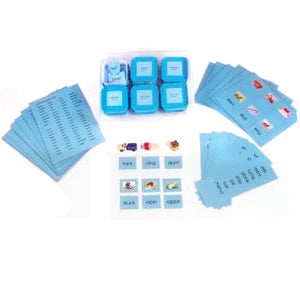
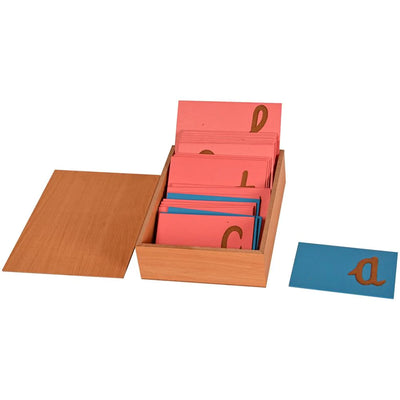
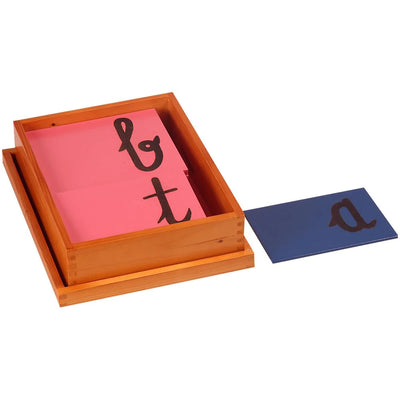
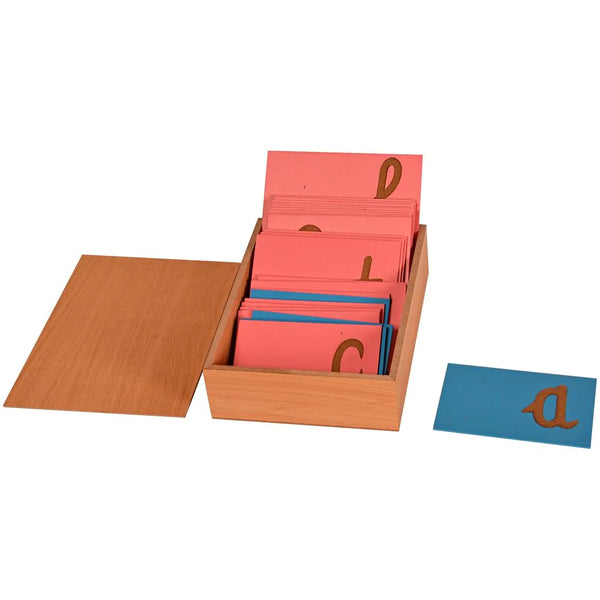
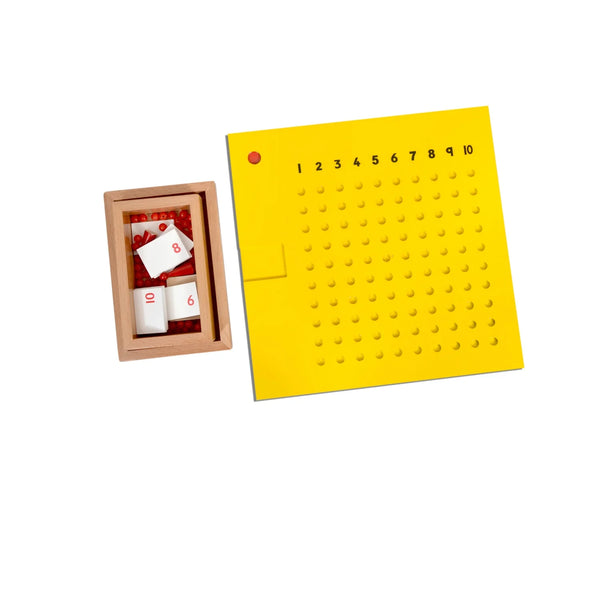
The evolving curriculum also places immense value on sensory exploration as a foundation for abstract thinking and language development. Children learn best by touching, seeing, hearing, and smelling. For example, the satisfying weight of a pink tower block or the unique texture of sandpaper letters aren't just play; they're direct pathways to understanding mathematical concepts and phonetic sounds.
Encourage your child, even a two-year-old, to engage with materials that stimulate their senses. Storytelling in their mother tongue, discussing the textures and tastes of food during festivals, and simple conversations about their day significantly boost vocabulary and comprehension. These experiences build strong cognitive frameworks that will serve them well in LKG and beyond.
Empowering Parents: Preparing Your Child for School Readiness 2026 India
Your role as a parent is more pivotal than ever in navigating these changes. Preparing your child for school readiness 2026 India means shifting focus from academic pressure to creating a nurturing environment that fosters natural development and a love for learning. It's about equipping them with the resilience and adaptability needed in a rapidly changing world.
Start by observing your child's unique interests and learning style. Are they drawn to building? Do they love pretend play? Support these inclinations with age-appropriate, open-ended educational toys. Remember, a 3-year-old learning through play is building far more complex neural connections than one drilled on flashcards.
Creating a Stimulating Home Environment
Your home is your child's first classroom. Create a prepared environment, as Maria Montessori advocated, where your child can safely explore and engage independently. This means making certain materials accessible, having a designated space for play, and offering choices that build their decision-making skills.
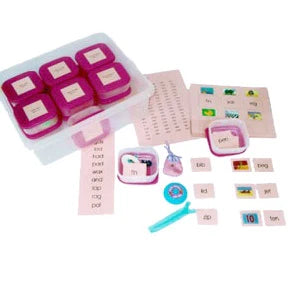
For example, a low shelf with a few carefully selected wooden puzzles, art supplies, or Montessori language materials encourages self-directed activity. The child who can choose their activity and put it away learns responsibility and concentration, vital skills for any classroom.
Choosing a Future-Ready Preschool
When selecting a preschool for 2026, look beyond just brand names or flashy brochures. Ask critical questions: Does the curriculum align with NEP 2020 guidelines? Do they focus on play-based learning and social-emotional development? What is their approach to independence and self-discipline? Observe the classroom: Are children engaged in various activities or all doing the same thing?
A good preschool will support the skills you foster at home, rather than contradict them. It will be a place where your child feels safe to explore, make mistakes, and learn from them, just like a supportive Bengaluru community encourages growth.
The journey towards school readiness in 2026 for Indian children is less about accelerating academics and more about deepening foundations. By embracing holistic development, supporting independence through practical life skills, and choosing a preschool that aligns with these forward-thinking principles, you empower your child to not just enter school, but to thrive within it and beyond. Your calm, informed approach builds their confidence, setting them on a path for lifelong learning and success.