Extended Preschool Development India: Thriving in the Extra Year
With policy changes in India extending the school entry age, many parents find themselves pondering how to best navigate an additional preschool year. Ensuring continuous, sustained extended preschool development India means proactively transforming this extra time from potential stagnation into a period of profound growth and engagement.
What is Extended Preschool Development India?
Extended preschool development India refers to strategies for fostering continuous learning and engagement for children who spend an additional year in preschool before entering Class 1. This matters because simply repeating the previous year's curriculum can lead to boredom and disengagement. Indian parents can leverage this time to deepen their child's foundational skills and nurture their inherent curiosity.
The recent news about states like Goa raising the Class 1 entry age to six has sparked crucial conversations among Indian families. Parents, from bustling Bengaluru to quiet rural towns, are asking: how do we ensure our children thrive, rather than just pass time, during this now-longer preschool journey? The challenge isn't just to fill the time, but to enrich it, turning a potential pause into a powerful spring-board for lifelong learning. This is where the Montessori approach offers invaluable guidance.
Preventing Stagnation: The Montessori Advantage for Sustaining Child Development Preschool
Research consistently shows that children learn best through active engagement and exploration, not rote memorization. The Montessori method, founded by Dr. Maria Montessori, is uniquely designed to prevent stagnation by following the child's natural developmental trajectory, particularly their 'sensitive periods.' These are specific windows where a child exhibits an intense, often subconscious, interest in acquiring certain skills, such as language, order, or fine motor control. By providing a prepared environment that aligns with these sensitive periods, children remain deeply engaged and self-motivated.
For a 4-year-old Aarya in a joint family in Bengaluru, who might now have an extra year before Class 1, this means moving beyond repetitive tracing of letters. Instead, she could be exploring the textures of different leaves, arranging objects by size and colour, or diligently practicing pouring water without spilling. Such activities don't just fill time; they build concentration, coordination, and a love for learning, which are critical for sustaining child development preschool. The American Academy of Pediatrics recommends play-based learning as essential for healthy development, a core tenet of Montessori.
Practical Life Skills: Anchoring Learning in Indian Homes
One of the most powerful ways to foster continuous engagement, particularly within an Indian home context, is through Montessori's Practical Life activities. These are not just chores; they are purposeful tasks that allow children to participate meaningfully in their environment, developing coordination, concentration, independence, and a sense of responsibility. Think of the 3-year-old helping Dadi fold clothes, learning the delicate art of sweeping with a child-sized broom, or helping to prepare ingredients for dinner. These everyday activities, often passed down through generations in Indian families, are invaluable learning opportunities.
Child development experts agree that involving children in daily routines builds competence and self-esteem. Providing a small jug and cups for pouring water, or tools for simple food preparation, empowers a child. SkilloToys offers a range of Montessori practical life materials that make these activities accessible and engaging, transforming routine into rich learning experiences. Such engagement prevents the feeling of simply 'doing the same thing again' and instead offers fresh challenges.
Deepening Sensory and Cognitive Engagement, Not Just Repetition
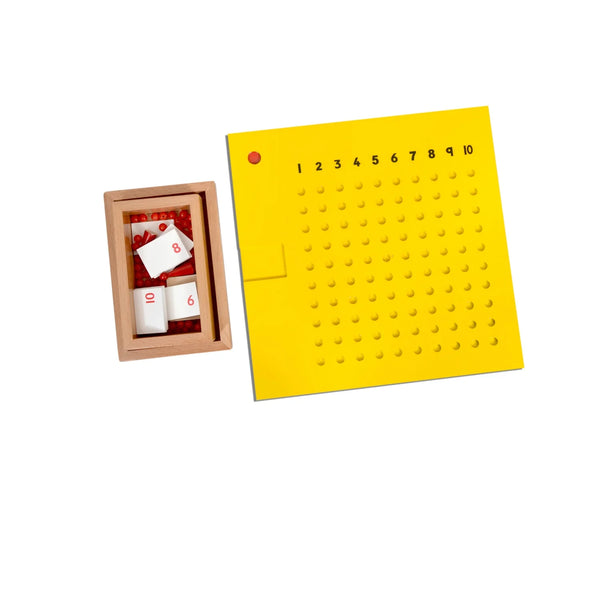
The extended preschool year is a golden opportunity to deepen a child's understanding of concepts they might have only superficially encountered. Instead of repeating basic counting, this period allows for exploration of quantity through hands-on materials like the Number Rods, or moving from simple identification of shapes to understanding their properties. This layered learning prevents preschool stagnation and builds robust cognitive foundations.
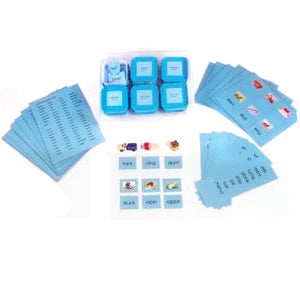
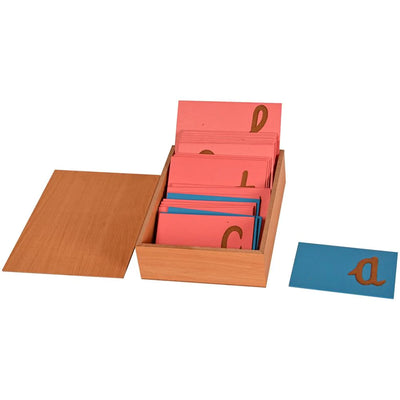
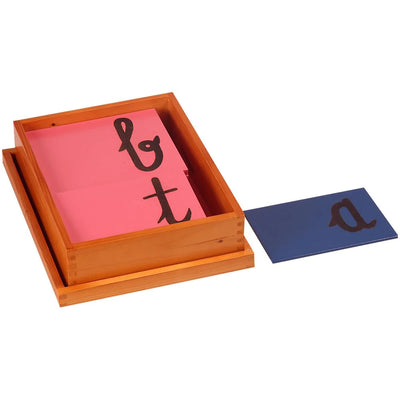
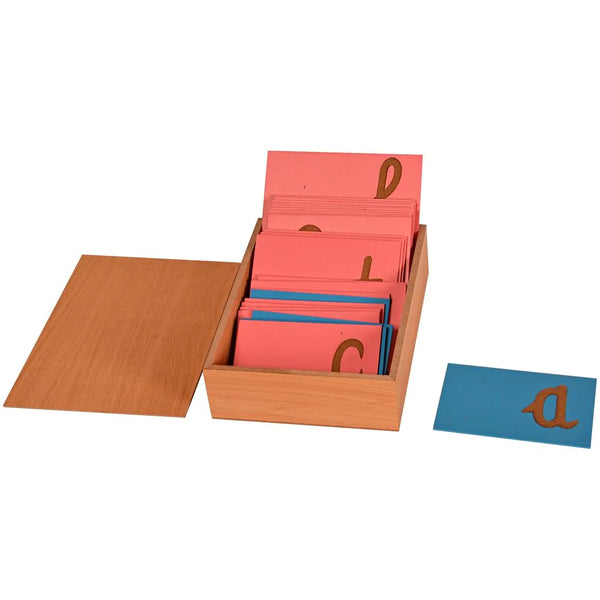
Consider language development: rather than just identifying letter sounds, a child can begin to build words with a movable alphabet or explore the textures of Montessori sandpaper letters. For sensory exploration, instead of merely recognising colours, they can grade shades with the Colour Tablets, refining their visual discrimination. These experiences are concrete, engaging, and provide a depth of understanding that rote learning cannot match. NCERT's 2019 National Curriculum Framework for Foundational Stage emphasizes experiential learning, echoing Montessori principles.
Fostering Independence and Self-Directed Learning for School Readiness Age Six India
The true goal of school readiness, especially with an entry age of six, extends far beyond academic skills. It encompasses a child's ability to focus, follow instructions, solve problems independently, adapt to new environments, and regulate their emotions. These are precisely the qualities fostered by a Montessori approach during an extended preschool year.
By offering opportunities for self-correction and choice within a structured environment, children develop an inner discipline that serves them well in any school setting. A child who has spent an extra year choosing their work, completing it with concentration, and putting materials away, is far more prepared for the demands of Class 1 than one who has simply been drilled on facts. This focus on independence and problem-solving helps children genuinely thrive, not just survive, in the formal schooling system, making them resilient learners who can navigate challenges in their school journey.
The extended preschool year in India is not a setback, but a valuable gift of time. By embracing Montessori principles, Indian parents can transform this period into a rich tapestry of learning, observation, and growth. Focus on creating a stimulating home environment, involve your child in daily life, and observe their unique interests. This approach builds confident, capable, and engaged learners, ensuring their journey to Class 1 is marked by joy and discovery, not stagnation.