Fine Motor Skills for Early Literacy: Digital Impact & Montessori Guide
Understanding the impact of digital habits on a child’s development is crucial for Indian parents, especially concerning fine motor skills for early literacy. Research indicates that excessive screen engagement can significantly affect these foundational abilities, hindering a child's readiness for formal schooling. The Times of India recently highlighted a worrying trend where one-third of children in the US struggle to turn physical book pages, attempting to 'swipe' instead, a direct consequence of prolonged digital interaction. This guide offers a Montessori-inspired approach to ensure your child develops the essential dexterity needed for reading and writing.
What are Fine Motor Skills for Early Literacy?
Fine motor skills for early literacy encompass the precise movements of small muscles in the hands and fingers, vital for tasks like holding a pencil, turning book pages, and manipulating small objects. This matters because these skills are directly linked to a child’s ability to write, draw, and interact with learning materials independently. Indian parents can proactively foster these abilities through hands-on activities, ensuring a smooth transition into preschool or LKG.
The Digital Shift: How Screens Influence Early Literacy & Fine Motor Skills
Extensive digital interaction undeniably impacts the development of fine motor skills, which are critical for early literacy. Child development experts agree that the repetitive, often passive, motions involved in swiping and tapping on screens do not adequately prepare a child's hands and fingers for the complex, nuanced actions required for pre-writing and reading. Studies show a direct correlation between increased screen time and delayed development in tasks such as cutting with scissors or buttoning clothes.
The rise of digital books, while convenient, deprives children of the sensory experience of handling physical books. The act of carefully turning a page, feeling its texture, and tracing words with a finger builds essential hand-eye coordination and muscle memory that a touchscreen cannot replicate. This shift has led to concerns among educators, mirroring the observations in the Times of India report, where children lack the foundational dexterity for traditional literacy activities.
Montessori's Timeless Approach to Nurturing Fine Motor Skills for School Readiness
Maria Montessori's educational philosophy offers a profound and effective pathway to nurturing fine motor skills, central to school readiness. Her method emphasizes hands-on learning, purposeful activity, and the development of concentration and independence from a young age. This approach is particularly relevant in the Indian context, where traditions of practical life skills, often taught by grandparents in joint families, naturally align with Montessori principles.
Montessori education introduces practical life activities that are carefully designed to refine small muscle movements, preparing the hand for writing and the mind for focused learning. From the age of 18-24 months, children begin developing their pincer grasp, and by 3-6 years, they are ready for activities that refine their dexterity, coordination, and ability to follow a sequence. These foundational experiences build confidence and competence for future academic challenges.
Practical Montessori Activities to Build Pre-Reading Skills at Home
Creating a stimulating home environment filled with engaging pre-reading skills activities is key to supporting your child's literacy journey. These activities are simple to implement and yield significant benefits for developing crucial fine motor skills.
Engaging with Physical Books: Beyond Swiping
Fostering a love for reading starts with the importance of physical books for kids. Encourage your child to handle books, turn pages carefully from right to left, and point to pictures and words as you read aloud. This tactile interaction strengthens hand muscles and develops the sequential thinking necessary for reading. Consider setting up a cozy reading nook with a variety of beautifully illustrated Montessori books for children, making reading a cherished daily ritual, perhaps with grandparents.
Everyday Practical Life Skills
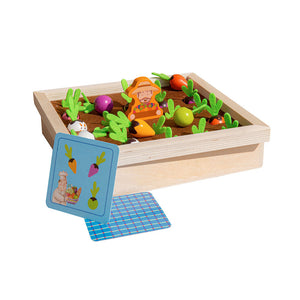
Montessori’s Montessori practical life skills are foundational for fine motor development. Simple household chores provide invaluable learning opportunities. Encourage your child to pour water from a small jug, spoon rice or lentils into bowls, button their shirts, zip up their bags, or help fold small items of clothing. These activities not only refine hand-eye coordination but also instill a sense of responsibility and independence. Explore SkilloToys' range of Practical Life Materials to bring these skills into your home safely.
Sensorial & Language Materials
Montessori sensorial and language materials are specifically designed to prepare children for literacy. Activities like working with Sandpaper Letters allow children to feel the shape of each letter, integrating tactile and visual learning for early letter recognition. Tracing shapes, using puzzles, and sorting beads or small objects further enhance fine motor control and concentration, directly feeding into pre-writing skills. The famous Pink Tower, while building spatial awareness, also requires precise handling, honing fine motor dexterity.
Balancing Screen Time: A Mindful Approach for Indian Families
While digital tools have their place, understanding their screen time impact on literacy and motor skills is paramount. Child development experts globally, including the American Academy of Pediatrics, recommend limiting screen time for children aged 2-5 to no more than one hour per day of high-quality, educational content. For children under 18 months, screen time should ideally be avoided, except for video calls with family.
For Indian families, integrating mindful screen use means setting clear boundaries. Designate specific 'screen-free' times, such as during meals or family gatherings, and encourage co-viewing when screens are used. Prioritize interactive and educational apps that encourage participation over passive consumption. Consider 'digital detox' days, perhaps during festivals or family visits, to encourage more traditional play and social interaction.
Preparing for School: Beyond Academics
True school readiness fine motor extends beyond academic knowledge; it encompasses a child’s ability to function independently and confidently within a classroom setting. This includes having the fine motor skills to manage their belongings, open lunchboxes, use stationery, and participate in classroom activities without constant adult assistance. Fostering these practical skills through Montessori principles ensures a child enters LKG or UKG feeling capable and secure.
By prioritizing hands-on learning and mindful digital habits, Indian parents can lay a robust foundation for their child's holistic development. This approach nurtures not just academic potential but also independence, concentration, and a genuine love for learning, preparing them for the rigors and joys of school life.
- Excessive digital habits can hinder the development of fine motor skills crucial for early literacy, affecting tasks like turning book pages and holding pencils.
- Montessori education emphasizes hands-on practical life activities to build essential fine motor skills, concentration, and independence in children.
- Engaging with physical books offers a multi-sensory experience that digital screens cannot replicate, directly supporting pre-reading dexterity and comprehension.
- Everyday tasks like pouring, spooning, buttoning, and zipping are powerful Montessori practical life activities for refining small muscle movements.
- Child development experts recommend limiting screen time for preschoolers to no more than one hour per day of high-quality, co-viewed educational content.
- Holistic school readiness involves not just academic preparation but also developing fine motor skills for independence and confidence in the classroom.
How much screen time is appropriate for a preschooler?
Child development experts recommend limiting screen time for children aged 2-5 years to no more than one hour per day of high-quality, educational content, preferably co-viewed with a parent. For children under 18 months, screen time should be avoided altogether, except for video calls with family.
What are some simple Montessori activities for fine motor skills at home?
Simple activities include pouring water, spooning dry rice or lentils, buttoning clothes, zipping jackets, using tongs to transfer small objects, and kneading dough. These practical life skills build concentration and coordination essential for school readiness.
Why are physical books more beneficial than digital books for early literacy?
Physical books engage multiple senses: the child turns pages, feels the texture, and points to illustrations, which digital books cannot replicate. This tactile interaction directly supports the development of fine motor skills for early literacy, like turning pages and eventually holding a pencil, fostering a deeper connection with reading.
How can I reduce my child's screen time effectively?
To reduce screen time, establish clear daily limits, offer engaging alternatives like outdoor play or craft activities, and designate 'screen-free' zones or times, such as during meals or before bedtime. Lead by example by limiting your own screen usage and actively engaging with your child in other activities.
What is the role of play in developing fine motor skills for school readiness?
Play is fundamental for developing fine motor skills crucial for school readiness. Activities like building with blocks, stringing beads, drawing, cutting with child-safe scissors, and manipulating playdough all strengthen hand muscles, improve hand-eye coordination, and prepare children for academic tasks like writing.