Future-Ready Skills: Preschool India's 2026 Curriculum & Montessori
The evolving landscape of preschool education across India, highlighted by discussions around 2026 curriculum changes like those noted in Ahmedabad, presents a crucial moment for parents. To truly equip children with future-ready skills preschool India's shifting educational framework, focusing on foundational Montessori principles is paramount. Child development experts agree that cultivating independence, concentration, problem-solving, and adaptability empowers children to thrive in any curriculum, not just specific content areas.
As parents in bustling Bengaluru, worried about their child's LKG or UKG entry, you're not alone in seeking clarity. The upcoming curriculum revisions across states signal a move towards more experiential, child-centric learning. This means the old emphasis on rote memorization is fading, making way for skills that foster genuine understanding and critical thinking.
Montessori for the Changing Curriculum: A Definition
Montessori for the changing curriculum is an educational approach prioritizing a child's natural developmental stages and innate drive to learn through self-directed activity. This matters because the 2026 curriculum emphasizes experiential learning and critical thinking, moving beyond rote memorization. Indian parents can proactively integrate Montessori principles at home.
Understanding India's Evolving Preschool Education Trends
Recent calls for Expressions of Interest (EOIs) for technical support in Early Childhood Care and Education (ECCE) across India, alongside reports on changing preschool education in cities like Ahmedabad, confirm a significant national shift. The National Education Policy (NEP) 2020 advocates for a strong foundational stage, emphasizing conceptual understanding, creativity, and critical thinking from an early age. This aligns with global preschool education trends India is embracing.
Studies indicate that children in rural India, despite varying access to formal early education, often develop strong practical life skills through daily chores. The new curriculum aims to bridge this gap, ensuring all children, whether from a joint family in Chennai or a nuclear family in Delhi, receive a holistic foundation. The pressure on Indian parents to ensure their child excels is immense, but true readiness now means fostering adaptable minds, not just academic performance.
The Power of Practical Life: Building Essential Skills for 2026 Preschool
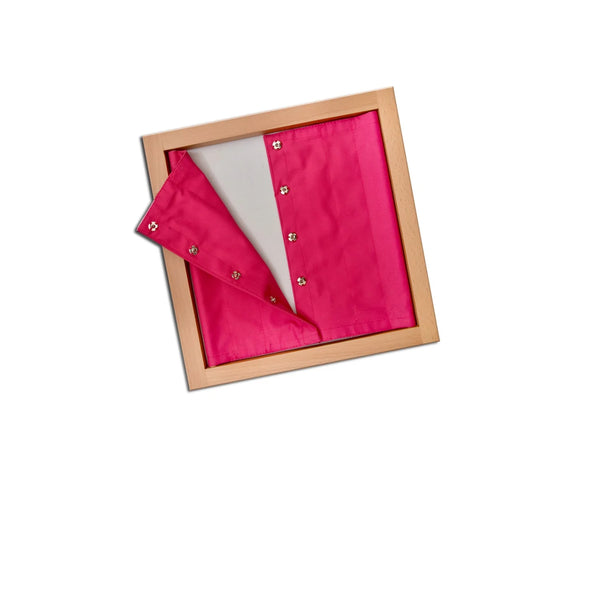
Maria Montessori observed that children have an innate desire to participate in real-life activities. These 'Practical Life' exercises are fundamental to developing essential skills 2026 preschool environments will value. Think of a 3-year-old in a Bengaluru apartment diligently pouring water from one jug to another, or meticulously buttoning a cloth frame.
These seemingly simple activities build extraordinary concentration, fine motor control, coordination, and a sense of order. When a child learns to dress themselves, prepare a snack, or tidy up their space, they gain independence and confidence – traits crucial for a self-directed classroom. SkilloToys offers a range of Practical Life materials that transform everyday tasks into powerful learning opportunities, fostering self-reliance from home.
Sensorial Exploration: Refining Perception for Future Learning
The world is a kaleidoscope of sensations, and Montessori Sensorial materials help children systematically explore and categorize these. From the varying weights of Baric Tablets to the precise dimensions of the Pink Tower, these materials refine a child's senses of touch, sight, sound, smell, and taste. This isn't just about fun; it's about building a concrete understanding of abstract concepts.
Child development experts emphasize that a strong sensorial foundation enhances a child's ability to differentiate, compare, and order – vital skills for later mathematics, language, and scientific inquiry. Imagine a child identifying various textures, which then helps them recognize different letter shapes or numerical values more easily. This deep understanding, cultivated through Montessori educational toys skills, will be indispensable in a curriculum that values observation and critical analysis.
Nurturing Language and Mathematical Foundations the Montessori Way
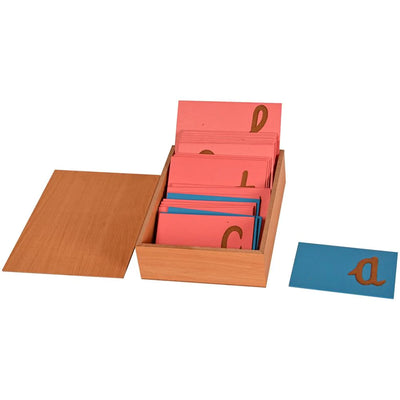
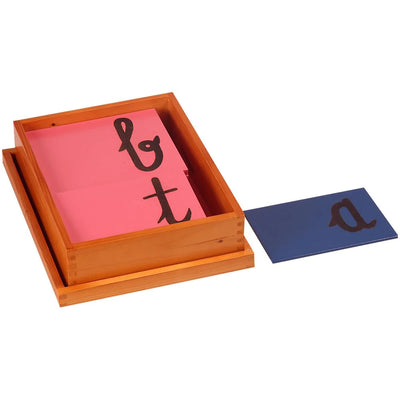
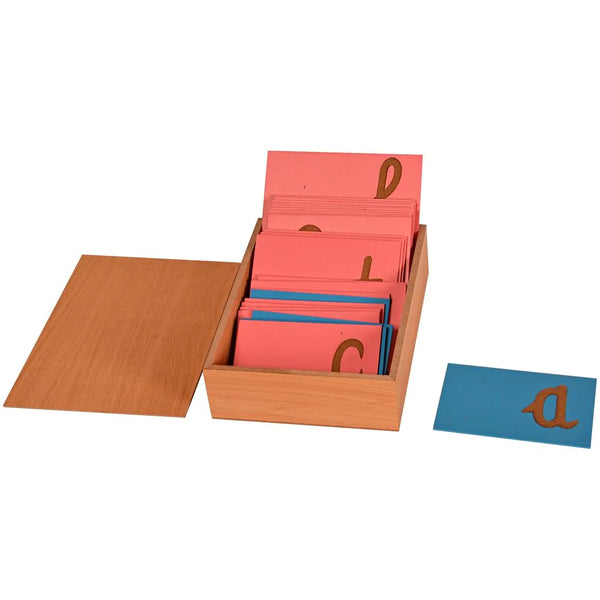
The new curriculum will likely demand more than rote recitation of alphabets and numbers. Montessori's approach to language and mathematics is highly concrete and hands-on, making abstract concepts accessible to young minds. For language, children don't just see letters; they trace Sandpaper Letters, feeling their shape and connecting them to sounds, building a strong phonetic awareness that goes beyond memorizing 'A for Apple'.
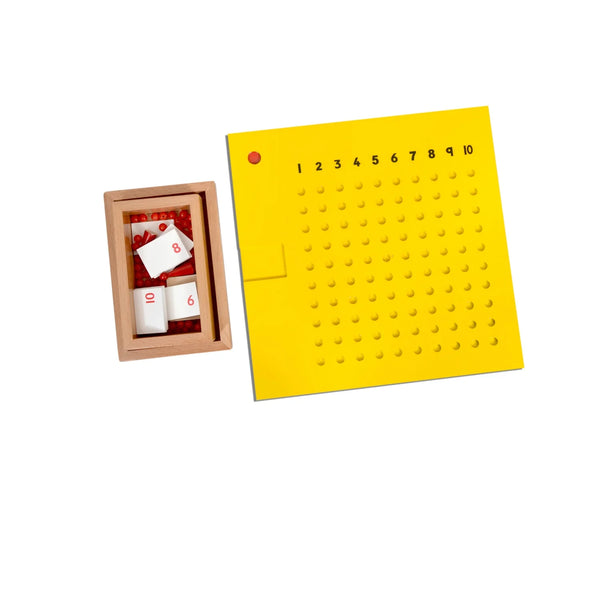
Similarly, mathematics begins with tangible experiences using materials like the Number Rods, where children physically associate quantity with numerical symbols. This direct, manipulative engagement allows children to construct their own understanding of numbers, operations, and patterns. Such a deep-rooted comprehension is far more valuable than simply knowing answers, equipping children with the analytical tools needed for complex problem-solving in future academic years.
Cultivating Independence and Self-Regulation: The Ultimate Future-Ready Skills
Perhaps the most critical future-ready skills preschool India needs for its children are independence and self-regulation. In an evolving curriculum, children who can manage their own learning, persevere through challenges, and regulate their emotions will thrive. The Montessori environment, with its emphasis on choice within limits and uninterrupted work cycles, naturally fosters these attributes.
When children choose an activity, complete it, and return it to its place, they are practicing executive functions vital for academic success and emotional well-being. This self-discipline, developed through consistent engagement with purposeful materials, reduces anxiety and builds confidence. It's about empowering a child to be the master of their own learning journey, a quality that transcends any specific syllabus change and truly future-proofs their education.
As India's preschool education continues to evolve, the focus shifts from merely accumulating knowledge to developing capabilities. By integrating Montessori principles and thoughtfully selected educational toys at home, parents can equip their children with a powerful set of skills. These are not just academic advantages, but life skills that foster a love for learning, resilience, and the adaptability needed to navigate any future challenges, within the classroom and beyond. Start observing your child's natural interests tonight, and provide opportunities for them to explore and discover independently.