Malayalam Spelling: Activities for School Readiness
Mastering malayalam spelling for school readiness involves a multi-sensory approach that combines playful activities with structured learning, ensuring children develop a strong foundation in their regional language. Engaging with spoken words, identifying letters, and forming simple words through Montessori-inspired methods can significantly boost a child's confidence and prepare them for early literacy success.
Malayalam spelling proficiency for school readiness means a child can recognize common letters, understand basic sound-symbol relationships, and attempt to spell simple words phonetically. This foundational skill matters because it unlocks reading comprehension and writing abilities, allowing Indian children to confidently engage with their local curriculum and culture. Parents can foster this by integrating everyday language play and specific educational materials.
As parents across India, especially in Kerala and among the Malayalam-speaking diaspora, prepare their little ones for preschool, LKG, or UKG, the emphasis on foundational literacy, particularly in regional languages, is growing. The National Education Policy (NEP 2020) highlights the crucial role of mother tongue education in early learning, making Malayalam spelling a key focus for many families. SkilloToys understands this unique need and offers a structured guide to make this journey joyful and effective.
Why Early Malayalam Spelling Matters for Your Child's Future
Research shows that children who develop strong early literacy skills in their mother tongue demonstrate better cognitive flexibility and a deeper understanding of academic concepts later on. This includes malayalam early literacy, which is essential for a child's holistic development. Child development experts agree that exposure to regional languages from an early age strengthens a child's cultural identity and academic foundation, aligning perfectly with the NEP 2020's vision for a 'Foundations First' approach, as discussed by experts at orfonline.org.
Studies indicate that children who are proficient in their home language tend to perform better across all subjects, reducing early learning disparities often seen in diverse educational settings. Fostering Malayalam literacy at home also helps bridge the gap between home and school environments, making the transition smoother and more reassuring for anxious children and parents alike. This cultural grounding provides a sense of belonging and confidence crucial for overall well-being.
Foundational Steps for Malayalam Language Development
Fostering malayalam language development for kids begins long before formal schooling, rooted in a rich oral tradition within Indian homes. From storytelling by Ammamma and Appappa to singing traditional Malayalam lullabies, these early interactions build a child's phonological awareness. Maria Montessori emphasized that children absorb language from their environment, making a language-rich home crucial for spontaneous learning. Engaging children in conversations and narrating daily activities in Malayalam strengthens their auditory processing skills, a prerequisite for spelling.
Even simple acts like pointing to objects and naming them in Malayalam, or describing events during a family gathering, contribute immensely. These informal learning moments, often occurring during festivals or daily routines, are invaluable for shaping a child's linguistic framework. Providing opportunities for children to express themselves in Malayalam builds their vocabulary and strengthens their command over the language naturally.
Engaging Malayalam Alphabet Activities for Preschoolers
Once children show interest in letters, usually around 3-4 years, introducing malayalam alphabet activities becomes exciting. Start with simple letter recognition using flashcards or DIY letter cut-outs from old newspapers. Montessori principles advocate for multi-sensory learning, making activities like tracing letters in sand or with fingers on textured surfaces highly effective. For a more structured approach, Sandpaper Letters offer a tactile way to learn letter shapes and sounds, allowing children to 'feel' the letters as they learn their names and sounds.
Play-Based Learning: Making Spelling Fun
Incorporating play into learning is vital. Simple games like 'I Spy' using Malayalam words (e.g., 'I spy something that starts with ക - ka for കലം - kalam') or creating a 'word wall' with common household items labeled in Malayalam can be incredibly engaging. Parents can also involve children in writing grocery lists or short messages to relatives in Malayalam, making language a part of everyday life. This gentle immersion helps reduce the pressure often associated with formal learning, echoing findings from 'What do children in rural India do in their early years?' regarding the power of context-rich learning.
Educational Toys for Malayalam Learning
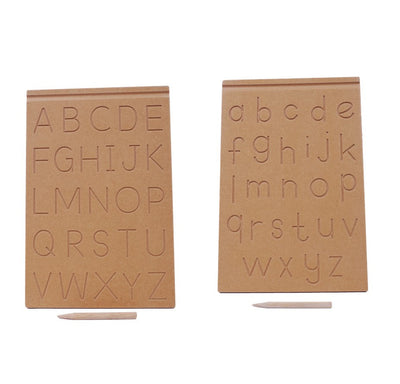
SkilloToys offers a range of educational toys for malayalam learning designed to support a child's natural curiosity and cognitive development. Manipulative toys like the Moveable Alphabet (Malayalam) allow children to physically construct words, experimenting with sounds and spellings. These hands-on materials bridge the gap between abstract concepts and concrete understanding, enabling children to learn at their own pace and build self-confidence.
Choosing the Right Materials
When selecting educational toys, prioritize those that are well-crafted, durable, and designed with a clear learning objective. For Malayalam spelling, materials that isolate concepts – like individual letter puzzles or sorting activities based on initial sounds – are most effective. Always consider your child's developmental stage; what engages a 3-year-old might be different for a 5-year-old. Our Montessori Method Learning Materials are specifically designed to cater to these crucial early learning stages, ensuring quality and developmental appropriateness.
Preparing for Preschool: Malayalam Spelling in Action
As you focus on preschool readiness malayalam, remember that building confidence is as important as building skills. Encourage your child's efforts, no matter how small, and celebrate their progress. Engage in reading Malayalam storybooks together, pointing out familiar letters and words. Creating a print-rich environment at home with labels, charts, and books in Malayalam normalizes the language and makes learning feel organic. This preparation eases the transition into formal schooling, ensuring they feel secure and capable, an opportunity every child deserves, as highlighted by ET Education.
Encourage children to 'read' the Malayalam signs they see in Bengaluru or during trips to Kerala, making the language relevant to their world. Simple dictation games where they write familiar Malayalam words with parental guidance can also solidify their understanding. This comprehensive approach ensures that children not only learn to spell but also develop a lifelong appreciation for their rich linguistic heritage.
Mastering malayalam spelling is a significant step in your child's early educational journey. By adopting a patient, play-based, and culturally relevant approach, you can foster a love for their mother tongue and build a robust foundation for future learning. Remember, every child's pace is unique, and your unwavering support is the most powerful tool. With the right activities and Montessori-inspired educational toys from SkilloToys, your child is well on their way to school readiness.
- Early Malayalam spelling proficiency is crucial for holistic child development and aligns with NEP 2020.
- Research indicates strong mother tongue literacy enhances cognitive flexibility and academic understanding across subjects.
- Montessori principles emphasize multi-sensory learning for language acquisition, effectively using materials like Sandpaper Letters.
- Engaging in oral traditions, storytelling by grandparents, and daily conversations in Malayalam builds foundational phonological awareness.
- Educational toys, such as the Moveable Alphabet, provide concrete, hands-on experiences for Malayalam word formation and early writing.
- A language-rich home environment and positive reinforcement significantly boost a child's confidence for successful school readiness.
When should I start teaching Malayalam spelling to my child?
You can begin introducing pre-literacy skills like letter recognition and sounds around 2.5 to 3 years of age, aligning with a child's natural interest in symbols and language. Formal spelling activities typically become effective from 3.5 to 4 years onwards, focusing on playful engagement rather than rote memorization.
What are the best Montessori toys for Malayalam learning?
The best Montessori toys for Malayalam learning include Sandpaper Letters for tactile letter recognition, the Moveable Alphabet for word building, and language cards matching pictures to Malayalam words. These materials are designed for hands-on exploration, supporting a child's self-directed learning of sounds and symbols.
How can I make learning Malayalam spelling fun at home?
Make learning Malayalam spelling fun by integrating it into daily play through games like "I Spy" with Malayalam words, singing Malayalam rhymes, and reading captivating storybooks together. Creating a family "word wall" with labels for household items in Malayalam also fosters a playful and immersive learning environment.
Is it important to learn Malayalam spelling if we speak English at home?
Yes, it is highly important to learn Malayalam spelling even if English is primarily spoken at home, as it connects children to their cultural heritage and enhances cognitive development. Studies show that strong foundations in a mother tongue can facilitate the acquisition of other languages, including English.
How does NEP 2020 impact early Malayalam literacy?
NEP 2020 strongly advocates for education in the mother tongue during early childhood, recognizing its importance for cognitive and emotional development. This policy encourages schools and parents to prioritize regional language literacy, including Malayalam spelling, as a foundational skill for all Indian children.