Montessori Activities for Extended Preschool Year in India
Indian parents across the country, from Goa to Bengaluru, are feeling a unique mix of anticipation and concern as new school entry age guidelines, like Goa raising Class 1 age to six, usher in an extended preschool year. This period presents a profound opportunity to engage in meaningful activities for extended preschool year, transforming potential anxiety into a powerful advantage for your child's holistic development. This isn't a delay; it's a valuable gift of time.
The extended preschool year refers to the additional time children spend in pre-primary education before meeting revised age requirements for Class 1, as seen in states like Goa. This matters because it provides a crucial window for holistic development, not just academic rote learning. Indian parents can proactively use this period to strengthen social-emotional, cognitive, and practical life skills.
Montessori's Approach to True School Readiness
Maria Montessori's philosophy, developed over a century ago, offers a powerful framework for this extended period. She observed that children thrive when given freedom within a prepared environment, fostering independence, concentration, and self-discipline. These qualities are far more indicative of true school readiness than simply knowing letters or numbers by rote, as highlighted by the NCERT's National Curriculum Framework for Foundational Stage 2022, which champions play-based learning.
For children aged 4-6, this extra year provides the perfect runway to deepen these foundational skills. Instead of pushing formal academics prematurely, we can focus on building a robust internal toolkit that makes formal learning not just easier, but more joyful and meaningful. Studies indicate that high-quality early childhood care and education (ECCE) significantly improves a child's long-term academic and social outcomes, a crucial insight for India's future generations.
Practical Montessori Activities for the Extended Preschool Year
Here are specific, actionable Montessori-inspired activities you can implement at home, designed for Montessori activities for 5-year-olds and surrounding age groups, making the most of this extended year:
1. Cultivating Independence with Practical Life Skills
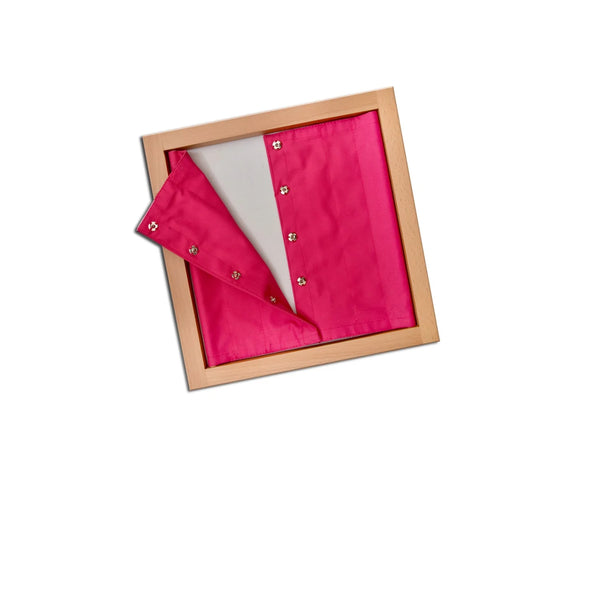
Children naturally yearn to be helpful and competent. Involve your child in everyday household tasks. A 5-year-old like little Aarya in a joint family in Bangalore can help fold small clothes, water plants, wipe spills, or set the dining table for family meals. Provide child-sized tools, like a small broom or a tiny jug for pouring water. The sense of accomplishment from these tasks builds confidence and fine motor control.
These activities teach sequences, attention to detail, and responsibility. The simple act of peeling a banana or shelling peas develops hand-eye coordination and strengthens hand muscles, preparing them for holding a pencil. Research shows that consistent engagement in practical life activities significantly enhances a child's self-esteem and independence.
2. Engaging Senses with Educational Toys & Materials
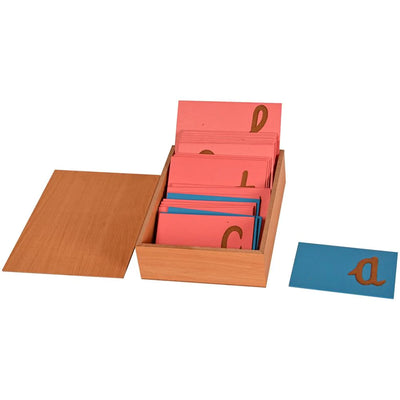
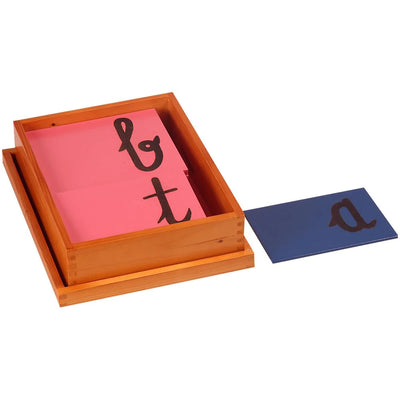
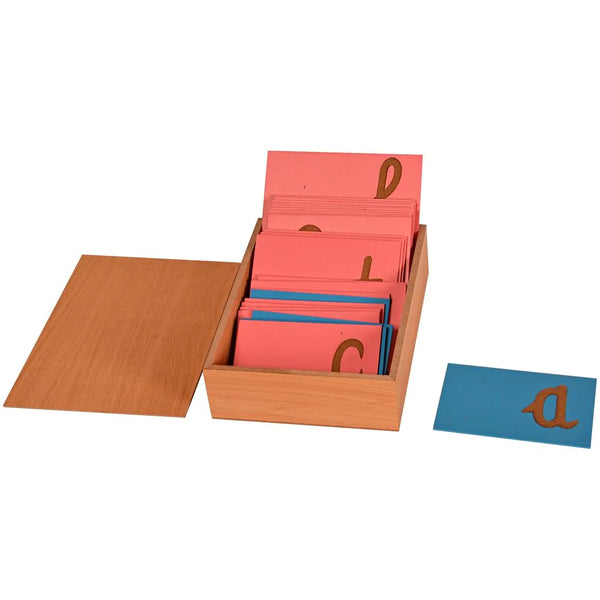
Montessori education deeply values sensorial experiences, which refine a child's senses and build a foundation for abstract concepts. For educational toys for extended preschool, consider materials that engage touch, sight, and sound without electronic distractions. For example, the satisfying clunk of wooden blocks as a child builds a tower, or the feel of the rough sandpaper letters as they trace the alphabet, provide rich sensory input.
Offer a variety of textures for sorting (cotton, silk, wool), or objects of different weights to compare. Simple matching games with colours or shapes enhance visual discrimination. Investing in high-quality `wooden puzzles` can provide hours of focused problem-solving. A puzzle where pieces fit together perfectly gives immediate, tangible feedback, encouraging persistence.
3. Building Language & Literacy Foundations Playfully
This period is ideal for strengthening language skills, not just rote memorization of alphabets. Engage in rich conversations, read stories aloud, and encourage your child to retell narratives in their own words. `Board games for kids` like 'I Spy' (spotting objects by their initial sound) or simple word-matching games are fantastic for phonological awareness.
Introduce phonetic sounds before letter names using Montessori's sandpaper letters, where children trace the letter shape while saying its sound. This multi-sensory approach solidifies early literacy skills. Encourage drawing and scribbling, allowing children to express themselves before formal writing is introduced.
4. Exploring Early Math Concepts Through Hands-On Play
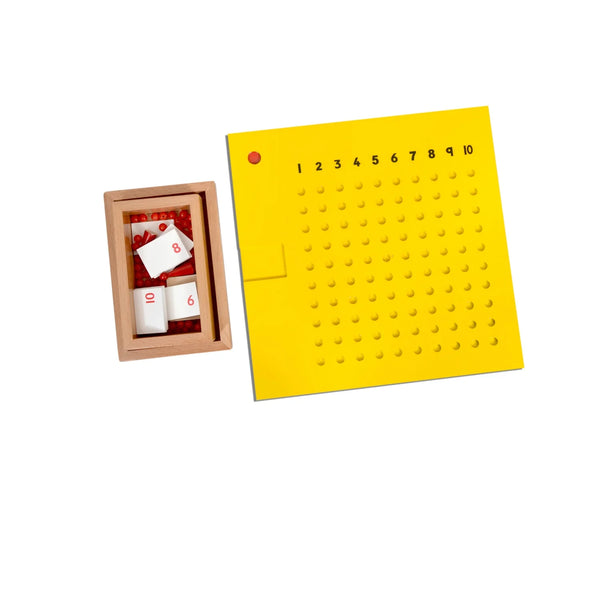
Math readiness isn't about memorizing numbers, but understanding quantities and relationships. Use everyday objects for counting, sorting, and patterning. For instance, sort rajma and chana dal into separate bowls, counting each type. Create simple patterns with beads or small toys (e.g., red-blue-red-blue).
Montessori materials like the Pink Tower or Brown Stair, available at SkilloToys.com, introduce concepts of size, sequence, and proportion in a concrete way. Even simple cooking activities, like measuring ingredients, provide practical lessons in quantity and fractions.
Choosing the Right Educational Toys for Extended Preschool
When selecting educational toys for extended preschool, prioritize those that encourage active engagement and problem-solving. Child development experts agree that children who play with 'boring' wooden toys or open-ended materials develop stronger problem-solving skills and imagination than those primarily exposed to fancy electronic toys, which often dictate play rather than inviting it.
Look for `wooden puzzles for kids` that offer varying levels of challenge, from simple knobbed puzzles to more complex jigsaw puzzles. `Board games for kids` should focus on turn-taking, strategy, and following rules, which are critical social skills for school. Materials that allow for repetition and self-correction are key, empowering the child to learn from their own efforts.
What is the primary benefit of an extended preschool year for my child?
The primary benefit is the invaluable extra time for holistic development beyond mere academics. This period allows children to strengthen executive functions like attention and self-regulation, develop fine and gross motor skills, and build social-emotional intelligence crucial for future success in school and life, as emphasized by the Harvard Center on Developing Child.
How do Montessori activities specifically prepare a child for formal school?
Montessori activities cultivate independence, concentration, and a love for learning by allowing children to explore at their own pace with purpose-designed materials. This self-directed approach helps them develop strong problem-solving skills, inner discipline, and a deep understanding of concepts, which translates into confident and engaged learners when they enter formal schooling.
What kind of educational toys are best for this extended period?
The best educational toys for this period are open-ended, child-led materials that encourage problem-solving and creativity. Think `wooden puzzles for kids`, building blocks, `board games for kids` that foster critical thinking, and sensorial materials rather than electronic gadgets, which often provide passive entertainment instead of active engagement.
How can I integrate Montessori principles into our busy Indian household?
Integrating Montessori into a busy Indian household involves small, consistent changes focusing on practical life skills. Involve your child in daily chores like setting the dinner table, watering plants, or helping with simple cooking tasks like peeling vegetables. Creating a 'yes' environment where they can safely explore and contribute fosters independence, even in compact urban homes like those in Bengaluru.
Will an extended preschool year make my child 'behind' their peers?
An extended preschool year will not make your child 'behind'; rather, it can equip them with a stronger foundation for lifelong learning. Child development experts agree that pushing formal academics too early can lead to burnout. Instead, this additional year, when filled with rich, play-based learning and Montessori activities, fosters a robust love for learning and readiness that will serve them well in the long run.
- India's extended preschool year is a gift for holistic child development, not a delay.
- Montessori activities build foundational skills like concentration and independence essential for school.
- Practical Life activities at home foster self-reliance and motor control in young children.
- Open-ended educational toys like wooden puzzles stimulate problem-solving and imagination.
- The NCERT's Foundational Stage framework advocates play-based learning for optimal development.
- Child-led exploration with specific materials significantly enhances a child's intrinsic motivation.