Wooden Puzzles for Kids: Boost School Readiness
Preparing your little one for preschool, LKG, or UKG is a significant milestone for Indian parents. Among the myriad of choices for educational toys, wooden puzzles for kids stand out as a foundational tool for school readiness. These timeless Montessori materials are not just fun; they are powerful instruments for developing crucial cognitive, physical, and emotional skills, directly preparing children for the classroom environment. SkilloToys.com, India's leading Montessori store in Bengaluru, champions their role in early childhood education.
Wooden puzzles for kids are play-based learning tools crafted from wood, designed to help children develop various skills by fitting interlocking or shaped pieces together. This matters immensely because they lay the groundwork for essential school competencies like fine motor control and problem-solving. Indian parents can confidently integrate these puzzles into their child's daily routine to build a strong foundation for academic success.
Fine Motor Skills: The Foundation for Writing and Independence
The intricate movements involved in manipulating puzzle pieces are excellent fine motor skills activities for kids. Grasping knobs, rotating shapes, and fitting pieces into their slots strengthen the small muscles in the fingers and hands. This dexterity is directly transferable to holding a pencil, using scissors, and performing other tasks crucial in a classroom setting.
Research shows that strong fine motor skills at an early age correlate with better academic performance, especially in writing. By engaging with wooden puzzles, children are unknowingly preparing their hands for the rigours of writing their names and completing school worksheets. This pre-writing practice is invaluable for easing the transition into LKG and UKG.
Sharpening Cognitive Abilities: Problem-Solving and Logic
Each puzzle presents a unique challenge, requiring children to analyze shapes, patterns, and spatial relationships. This continuous engagement with problem-solving cultivates critical thinking and logical reasoning, vital cognitive skills for school readiness. Children learn to strategize, experiment, and correct their mistakes independently.
Studies indicate that regular puzzle play enhances spatial reasoning, memory, and concentration. These benefits extend beyond just completing a puzzle, fostering a child's ability to understand concepts, follow instructions, and think systematically – all cornerstones of effective learning in any Indian school curriculum.
Montessori Wooden Puzzles: More Than Just Play
Maria Montessori's philosophy emphasizes purposeful activity and self-correction, principles perfectly embodied in Montessori wooden puzzles. Unlike generic puzzles, Montessori designs, such as knobbed cylinder blocks or geometric cabinet insets, isolate a single concept or skill. This focused approach allows children to master specific challenges without distraction.
The tactile nature and precise design of these educational tools encourage deep concentration and a sense of accomplishment. They are often self-correcting, meaning a child can immediately see if a piece fits or not, fostering independence and resilience without needing constant adult intervention. This self-directed learning is paramount in building a child's confidence for school.
Boosting Concentration and Focus for the Classroom
In a world filled with digital distractions, fostering a child's attention span is more crucial than ever. Educational puzzles for toddlers and preschoolers provide a calm, engaging activity that demands sustained focus. The child's entire attention is directed towards fitting the pieces together, tuning out external stimuli.
This dedicated engagement with puzzles for kids builds the ability to concentrate for longer periods, a skill indispensable for listening to teachers, participating in group activities, and completing assignments in school. It teaches children the joy of being engrossed in a task and seeing it through to completion, setting a positive precedent for academic habits.
Choosing the Right Educational Puzzles for Your Child
When selecting wooden puzzles, consider your child's age and developmental stage. Start with simple puzzles (2-4 pieces for 18-24 months) and gradually introduce more complex ones as their skills grow. Look for durable, non-toxic options like those offered at SkilloToys.com, ensuring a safe and enriching play experience.
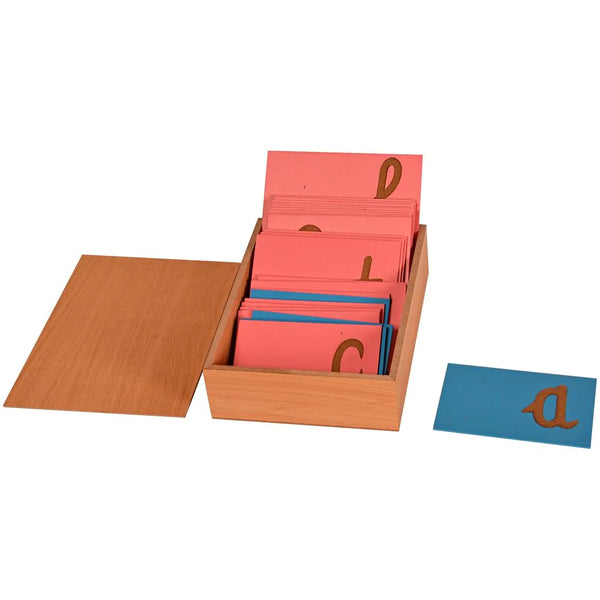
Involve your child in the selection process, if possible, allowing them to choose puzzles that pique their interest. A variety of puzzles – including shape sorters, animal puzzles, and alphabet puzzles – can provide diverse learning opportunities and sustain their engagement over time.
Integrating Puzzles into Daily Indian Family Life
Making puzzles a part of daily life is simple and beneficial. Set aside a dedicated "puzzle time" during the day, perhaps before an evening meal or during a quiet afternoon. Grandparents can also be wonderful companions in this activity, sharing stories and guidance as children play, reinforcing familial bonds and learning.
Embrace the Montessori principle of a prepared environment: keep puzzles accessible and organized in your home. Whether it's during a busy festival preparation or a quiet Sunday afternoon, offering puzzles as a screen-free alternative encourages independent play and mental stimulation, contributing significantly to early childhood care and education efforts across India, as seen in evolving preschool landscapes in urban centers and discussions around early years in rural India.
- Wooden puzzles build crucial fine motor skills essential for writing.
- They enhance problem-solving, logical thinking, and spatial reasoning.
- Montessori wooden puzzles foster concentration and independent learning.
- Early puzzle play supports the development of pre-writing skills.
- Research confirms the positive impact of puzzles on cognitive growth.
- Puzzles offer a screen-free learning experience, crucial for early childhood.
What age should a child start playing with wooden puzzles?
Children can begin engaging with simple wooden puzzles, like single-piece knobbed puzzles, as early as 12-18 months. As they grow, they can progress to more complex puzzles with multiple pieces, shapes, and challenges, typically between 2 and 5 years.
How do puzzles help a child's concentration and focus?
Puzzles demand sustained attention and engagement to complete a task, naturally extending a child's concentration span. The self-correcting nature of many Montessori wooden puzzles encourages persistence and problem-solving without adult intervention, building vital focus.
What kind of wooden puzzles are best for preschool preparation?
For preschool readiness, geometric shape sorters, knobbed puzzles, and sequence puzzles are ideal. These Montessori wooden puzzles build fine motor skills, shape recognition, and logical sequencing, all essential for early learning environments.
Are wooden puzzles safer than plastic ones for toddlers?
High-quality wooden puzzles are generally considered safe and durable for toddlers. They are often made with non-toxic paints and finishes, offering a tactile and natural play experience compared to some plastic alternatives, though checking certifications is always wise.
How often should my child play with educational puzzles?
Child development experts suggest offering puzzles as a regular, accessible activity rather than a rigid schedule. Daily engagement, even for short periods (10-15 minutes), allows children to develop skills incrementally and fosters a love for focused play and learning.