NEP 2020 Foundational Learning at Home: A Parent's Guide
Indian parents often feel anxious about their child's early schooling, but empowering children with NEP 2020 foundational learning at home is entirely achievable and highly effective. This guide will help you understand how to practically implement the core tenets of India’s National Education Policy, ensuring your little one is not just ready for school, but thrives in their early learning journey.
By integrating Montessori-inspired activities into daily routines, parents can create a stimulating home environment that builds essential literacy, numeracy, and life skills. This proactive approach directly addresses the 'Foundations First' initiative highlighted in recent educational discussions, setting your child up for success.
What is Foundational Learning in the Context of NEP 2020?
Foundational Learning, as defined by NEP 2020, refers to developing essential literacy and numeracy skills in children aged 3-8 years. This matters because a strong foundation in these areas is crucial for all future learning. Indian parents can build these skills at home through engaging, play-based activities that support holistic child development.
Why Home-Based Foundational Learning is Crucial for Indian Children
The national discourse, as seen in articles like 'Foundations First: How NEP 2020 is Shaping India’s Early Learning Revolution,' underscores the critical importance of early childhood education. With states like Goa raising Class 1 entry age to six, the emphasis shifts even more to what happens before formal schooling. This change, along with discussions around 'Preschool Education in Ahmedabad Is Changing,' highlights that a robust home learning environment is no longer just beneficial – it's essential for children preparing for LKG and UKG.
Child development experts agree that the first eight years are formative for cognitive, social, and emotional growth. In India's unique context, where joint families often play a significant role, grandparents and extended family members can become invaluable partners in creating a rich learning ecosystem at home. This shared responsibility can alleviate parental anxiety by transforming the home into a vibrant learning space.
Montessori Principles for NEP 2020 Foundational Learning at Home
Maria Montessori's philosophy, deeply rooted in observing children's natural development, aligns perfectly with the activity-based, discovery-based learning advocated by NEP 2020. Implementing Montessori foundational learning in India homes involves three core pillars: a prepared environment, child-led learning, and purposeful work.
A prepared environment means arranging your child's space to be accessible, orderly, and inviting for exploration. Child-led learning respects the child's innate curiosity, allowing them to choose activities and learn at their own pace. Purposeful work, often facilitated by specifically designed educational materials, builds concentration and a sense of achievement.
Practical Activities for Early Learning at Home in India
Integrating early learning activities at home India into daily routines is simpler than you think. These activities support the foundational skills outlined by NEP 2020, from communication to problem-solving.
Language and Literacy
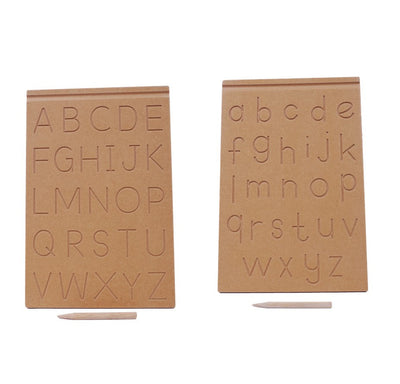
Foster language skills through rich conversations and storytelling. Encourage your Dadi or Nani to share traditional folk tales and songs. Practice rhyming words, sing regional lullabies, and use flashcards to introduce new vocabulary. For a more structured approach, Montessori sandpaper letters are excellent for tactile learning, helping children associate sounds with their written forms, preparing them for reading and writing.
Numeracy Skills
Introduce numbers naturally by counting during daily chores – how many rotis are we making? How many idlis for breakfast? Play simple counting games with beads or stones. Montessori number rods or bead stairs can visually represent quantities and help children grasp basic arithmetic concepts concrete.
Cognitive Development
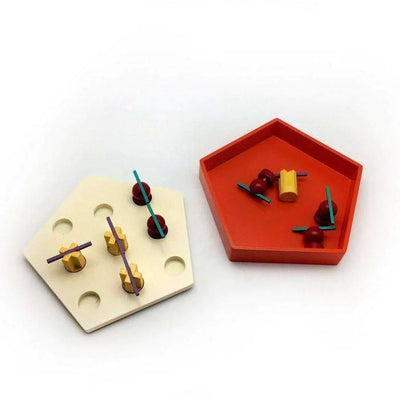
Puzzles, building blocks, and sorting activities are fantastic for developing problem-solving and critical thinking. Encourage children to sort household items by colour, size, or type, like separating different dals before cooking. This hones their classification skills and attention to detail.
Social and Emotional Learning
Role-playing scenarios, celebrating festivals with family, and discussing emotions help children develop empathy and social awareness. Encourage sharing toys with siblings or cousins and involve them in family decisions, however small. These interactions build vital interpersonal skills.
Physical Development
Fine motor skills can be developed through activities like kneading dough for rotis, threading beads for puja garlands, or even drawing rangoli patterns. Gross motor skills are nurtured through outdoor play, running, jumping, and traditional Indian games like kho-kho or gilli-danda in the local park.
Choosing Montessori Educational Toys for Foundational Skills
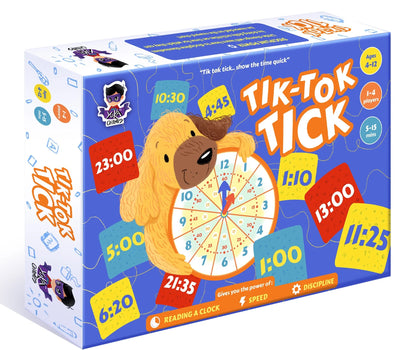
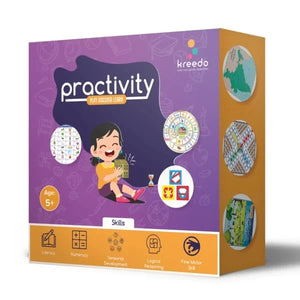
Selecting the right Montessori educational toys for foundational skills is crucial for impactful home learning. These aren't just toys; they are 'materials' designed to address specific developmental milestones. For example, the Pink Tower teaches visual discrimination of size, while Knobbed Cylinders refine grasping and problem-solving skills.
Research shows that children who engage with purposeful educational toys develop better concentration and fine motor control. When choosing toys, look for those that are self-correcting and encourage independent exploration. SkilloToys.com offers a curated range of authentic Montessori learning materials specifically designed to support these foundational stages.
Integrating Learning into Daily Indian Family Life
The beauty of home-based learning lies in its seamless integration into everyday life. From helping with household chores like setting the table (counting plates and spoons) to participating in festival preparations (decorating, making sweets), every activity can be a learning opportunity. Visits to the local market can become lessons in classification (fruits vs. vegetables), counting, and social interaction. Grandparents, with their wealth of stories and traditional knowledge, are incredible resources for passing on cultural literacy and moral values, complementing the formal aspects of NEP 2020 early childhood education for parents.
Studies indicate that children involved in family activities develop a stronger sense of belonging and practical skills. This informal learning reinforces what is taught formally, creating a comprehensive home-based learning for school readiness approach that is both effective and culturally relevant.
- NEP 2020 emphasizes foundational literacy and numeracy for children aged 3-8 years.
- Home-based learning is crucial for Indian children, especially with changing school entry ages.
- Montessori principles promote child-led, activity-based learning aligned with NEP 2020.
- Integrating early learning into daily Indian routines and festivals is highly effective.
- Purposeful educational toys enhance fine motor, cognitive, and social-emotional skills.
- Family involvement, including grandparents, enriches a child's foundational learning experience.
Building strong foundational learning at home, inspired by NEP 2020, empowers your child with the skills and confidence they need to excel. By adopting a Montessori approach and integrating learning into the vibrant tapestry of Indian family life, you are not just preparing them for school; you are nurturing curious, capable, and confident learners. Explore SkilloToys.com's range of Montessori materials to support your child's developmental journey today.
What is foundational learning according to NEP 2020?
Foundational learning, as per NEP 2020, focuses on developing essential literacy and numeracy skills in children aged 3-8 years. It emphasizes play-based, activity-based, and discovery-based learning to build a strong base for future academic success.
How can Montessori principles support NEP 2020 at home?
Montessori principles align perfectly with NEP 2020 by promoting child-led learning, a prepared environment, and hands-on activities. This approach fosters independence, concentration, and practical life skills, directly supporting foundational skill development.
What are easy early learning activities at home for Indian children?
Simple activities include storytelling, singing rhymes, involving children in daily chores like sorting lentils, counting fruits, and playing with blocks. Celebrating festivals and explaining cultural traditions also builds foundational understanding and social skills.
When should parents start focusing on preschool readiness at home?
Parents should begin fostering school readiness as early as 18-24 months by encouraging exploration and interaction. Focusing on foundational skills through play and daily routines from an early age helps build confidence and cognitive abilities for formal schooling.
Are Montessori toys essential for NEP 2020 foundational learning at home?
Montessori educational toys are highly beneficial for NEP 2020 foundational learning at home because they are designed for specific developmental goals. They provide concrete, hands-on experiences that enhance sensory, fine motor, and cognitive skills, making learning engaging and effective.