Nurturing Child's Unique Potential for School Readiness
Nurturing your child's unique potential is foundational for effective school readiness, ensuring they approach their first classroom experiences with confidence and joy. Child development experts agree that acknowledging and fostering a child's individual strengths and learning styles creates a robust educational foundation, rather than a one-size-fits-all approach. For Indian parents, this means embracing a personalized learning journey that respects each child's innate curiosity and pace.
What is Individualized Learning for Preschoolers?
Individualized learning for preschoolers is an educational approach that tailors teaching methods and materials to a child's specific needs, interests, and developmental stage. This matters immensely because it fosters deeper engagement and builds self-esteem, crucial for early academic success. Indian parents can implement this by observing their child closely and providing activities that resonate with their unique way of understanding the world.Recognizing Your Child's Learning Style: The First Step
Research shows that children absorb information in diverse ways, whether visually, audibly, or kinesthetically. Recognizing your child's learning style is the cornerstone of effective personalized education at home India, allowing you to present concepts in a manner they naturally understand. Observe how your little one interacts with toys, stories, and their environment – do they prefer hands-on exploration, listening to rhymes, or looking at colourful books?
In Indian homes, where joint families are common, grandparents and older siblings often play a significant role in a child's early interactions. Their observations can offer valuable insights into a child's preferences. For example, a child who loves arranging pebbles (kinesthetic) will thrive with practical life activities, while one captivated by storytelling (auditory) might enjoy language games.
The Montessori Approach: Fostering Each Child's Pace
The Montessori approach to the unique child inherently champions individualized learning, recognising that every child follows their own developmental timetable. Dr. Maria Montessori observed that children learn best when given freedom within a prepared environment, allowing them to choose activities that match their current interests and abilities. This self-directed learning builds concentration and a lifelong love for discovery.
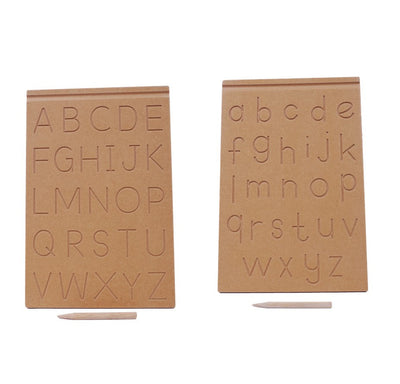
Studies indicate that children in Montessori environments often demonstrate higher levels of independence and problem-solving skills, critical components of school readiness strengths. Materials like the Pink Tower or Sandpaper Letters are self-correcting, empowering children aged 3-6 years to learn from their own exploration without constant adult intervention. This fosters an intrinsic motivation that is far more powerful than external rewards.
Personalized Education at Home: Simple Steps for Indian Families
Implementing personalized education at home in India doesn't require a dedicated classroom; it begins with thoughtful engagement in daily life. Create a "yes" environment where safe, engaging materials are accessible, encouraging independent exploration during their playtime. This could mean a low shelf with age-appropriate puzzles or a designated art corner with crayons and paper.
Incorporate learning into everyday Indian rituals. For instance, involving children in preparing simple dishes like kneading atta helps develop fine motor skills, while sorting lentils teaches classification. For toddlers (18-36 months), offering choices during dressing or mealtime respects their burgeoning autonomy. SkilloToys provides a wide range of Montessori practical life materials that support these everyday learning opportunities, making education an integral part of home life.
Building School Readiness Strengths Individually
Developing strong school readiness strengths goes beyond rote memorization; it's about nurturing skills like concentration, self-discipline, and a positive attitude towards learning. When children are allowed to pursue their interests, their attention spans naturally extend, and they learn to persist through challenges. This builds resilience, a key trait for navigating the school environment.
The National Education Policy (NEP) 2020 emphasizes foundational literacy and numeracy, advocating for play-based and activity-based learning in early childhood. This aligns perfectly with individualized approaches, as it ensures each child can build these crucial skills at their own pace. Whether they are fascinated by numbers or stories, providing targeted activities helps them strengthen their foundational understanding. For example, offering a child who loves patterns a set of Montessori math materials can ignite their mathematical reasoning.
Beyond Academics: Nurturing Emotional & Social Growth
School readiness is not solely about cognitive skills; it encompasses a child's emotional and social development. An individualized approach considers a child's temperament, helping them develop self-regulation and empathy. For an introverted child, providing quiet spaces for independent play is as crucial as encouraging social interaction for an extroverted one.
Experts suggest that children who feel understood and valued at home are better equipped to handle new social settings and school pressures. Engaging in imaginative play, storytelling, and discussing feelings within the family fosters emotional intelligence. This holistic development ensures children are not just academically prepared, but also emotionally robust and socially adept for their LKG or UKG journey.
- Nurturing a child's unique potential is paramount for building strong school readiness.
- Individualized learning tailors education to a child's specific needs and developmental pace.
- Recognizing a child's learning style (visual, auditory, kinesthetic) enhances engagement.
- The Montessori approach naturally supports individual learning paths through self-directed activity.
- Personalized education can be integrated into everyday Indian home routines and family life.
- Holistic school readiness encompasses cognitive, emotional, and social development.
How does identifying my child's learning style help with school readiness?
Identifying your child's learning style helps you present information in a way they naturally understand and enjoy, fostering deeper engagement and a love for learning. This personalized approach builds confidence and makes future school concepts more accessible, easing their transition into LKG or UKG.
Can individualized learning truly be implemented in busy Indian homes?
Yes, individualized learning can absolutely be implemented in busy Indian homes by integrating it into daily routines and utilizing everyday materials. Simple adjustments, like offering choices, creating an accessible play area, and involving family members in observation, make a significant difference without requiring extensive dedicated time.
What specific Montessori materials help in nurturing unique potential?
Montessori materials such as the Pink Tower for visual discrimination, Sandpaper Letters for tactile literacy, and Practical Life exercises for developing independence are excellent for nurturing unique potential. These materials allow children to learn at their own pace and through self-correction, catering to diverse learning styles.
How does NEP 2020 relate to individualized learning for preschoolers?
NEP 2020 emphasizes a flexible, multi-faceted, play-based, and activity-based learning approach in early childhood education, which inherently supports individualized learning. It moves away from rote learning, encouraging methods that allow each child to develop foundational literacy and numeracy according to their pace and interests.
Is it possible for a child to have multiple learning styles?
Yes, it is very common for children to exhibit a combination of learning styles, often demonstrating strengths across visual, auditory, and kinesthetic modes. The key is to offer a variety of experiences and materials that cater to all these areas, allowing the child to gravitate towards what works best for them in different contexts.