Preschool Education India 2026: A Montessori Guide
The landscape of preschool education India 2026 is undergoing significant transformations, and understanding these shifts is crucial for Indian parents. Navigating these changes effectively ensures your child receives a strong early learning foundation, preparing them not just for school, but for a lifetime of independent learning and growth. This guide offers a Montessori perspective to confidently evaluate the evolving options.
Evaluating India's evolving preschool education means assessing new curricula, shifting age norms, and increased emphasis on holistic development over rote learning. This matters because a well-chosen preschool sets the stage for a child's cognitive, social, and emotional growth. Indian parents can proactively seek programs that align with established child development principles, like those championed by Montessori.
The Shifting Landscape of Preschool Education India 2026
Research indicates that India's early childhood education sector is undergoing significant transformations. Policy shifts, like Goa raising Class 1 entry age to six, prioritize play-based, experiential learning over early academics. This impacts how Indian parents balance traditions and modern aspirations in choosing early schooling.
ThePrint's 'Preschool Education in Ahmedabad Is Changing' highlights regional variations and technology integration. The core shift is a renewed focus on foundational literacy and numeracy, moving away from academic pressure. Experts agree a nurturing preschool environment is paramount for children aged 2.5 to 6 years, bridging home and formal schooling.
Why Strong Early Learning Foundations Matter More Than Ever
The EuroKids CEO stressed 'Strong Early Learning Foundations,' echoed by UNICEF reports. These foundations encompass social-emotional competence, problem-solving, concentration, and motor development. Studies indicate robust early foundations mean better primary school adjustment and higher academic achievement.
Maria Montessori's century-old philosophy inherently prioritises these holistic foundations. She observed children, given the right environment, are naturally driven to learn and build intelligence. This hands-on approach counters pressure many Indian parents feel, nurturing intrinsic love for learning and discovery.
Montessori's Timeless Approach to School Readiness India
Montessori education uniquely prepares children for school readiness by fostering independence, concentration, and self-discipline. Children engage with practical life materials, like pouring, refining motor skills and order. This mastery builds confidence and a calm approach, crucial for primary school.
Beyond practical skills, Montessori cultivates social grace and courtesy, teaching respectful interaction and peaceful conflict resolution. These foundational social-emotional skills are invaluable in India's diverse classroom and family settings. Montessori nurtures a deep internal drive for long-term success.
Choosing Montessori Preschool India: Key Evaluation Factors
When considering a Montessori preschool in India, parents must focus on core principles, not just brochures. Verify directresses hold recognised Montessori certifications (AMI or AMS), ensuring expertise in child development. The 'prepared environment' should feature age-appropriate sensorial materials and language materials, invitingly arranged.
Indian parents should also evaluate teacher-to-child ratio, discipline philosophy, and independence fostering. Observe children engaging, choosing work, and interacting with materials like the Pink Tower. A true Montessori school empowers children, fostering natural curiosity over rigid curricula, crucial for preschool evaluation India in 2026.
Empowering Your Child at Home with Montessori Principles
Extending Montessori principles into your Indian home significantly bolsters development and eases preschool transition. Create a 'prepared home environment' by making areas child-friendly: low shelves, accessible water, quiet space. Involve children in daily chores, like setting the table with child-sized tools, fostering responsibility and fine motor skills.
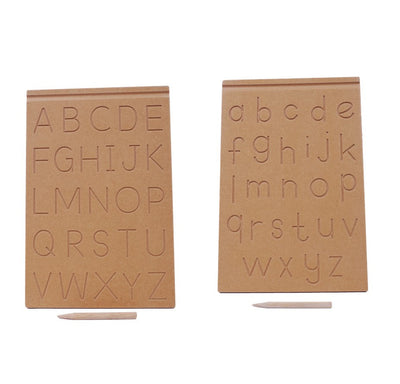
Observe your child's interests, providing opportunities for self-directed play. Offer Montessori learning materials like movable alphabets for letter interest. Facilitate natural development, allowing freedom to explore within safe boundaries, mimicking a Montessori classroom.
Navigating the evolving landscape of preschool education India in 2026 doesn't have to be a source of anxiety. By understanding the shifts, prioritising strong early learning foundations, and choosing a genuine Montessori approach – whether in school or at home – you empower your child with lifelong skills and a love for learning. Embrace this journey with reassurance, building a resilient foundation for their future.
- Preschool education in India for 2026 shifts towards holistic development and play-based learning, moving away from early academic pressure.
- Strong early learning foundations are critical for a child's long-term success, encompassing social-emotional, cognitive, and motor skills.
- The Montessori method excels at fostering school readiness through independence, concentration, practical life skills, and a genuine love for learning.
- Authentic Montessori preschools require certified directresses, a prepared environment, and child-led engagement with specialized materials.
- Parents can support development at home by creating a child-friendly environment and involving children in practical, self-directed activities.
- Effective preschool evaluation in India should prioritize developmental appropriateness, qualified educators, and an environment that respects innate learning.
What are the biggest changes in preschool education India 2026?
Changes include a shift towards developmentally appropriate, play-based learning over rote memorization, and potential changes in school entry age. These aim to reduce early academic pressure and foster holistic development.
How can I evaluate a preschool for school readiness in India?
Evaluate by assessing curriculum for holistic development, checking teacher qualifications, and observing the environment for child-led activities and materials. Prioritize programs aligning with child development research.
Why is a Montessori approach beneficial for early learning foundations in India?
A Montessori approach builds strong early learning foundations by fostering independence, concentration, and practical life skills through hands-on exploration. It respects individual pace and intrinsic motivation, nurturing holistic development without undue pressure.
Are there specific Montessori materials I can use at home for school readiness?
Many Montessori materials suit home use, like practical life materials for fine motor skills and sensorial items like the Pink Tower. Language materials such as sandpaper letters foster early literacy, encouraging self-correction and independent learning.
What role do parents play in school readiness amidst preschool changes in India?
Parents create supportive home environments encouraging exploration and independence, complementing preschool efforts. They should research and choose preschools aligning with developmental needs, fostering a love for learning.