Quality Preschool India Extended Age: What Parents Need
Ensuring a quality preschool India extended age experience is paramount for laying strong foundational learning for our children. While recent news, like Goa raising its Class 1 entry age to six, might spark an 'alarm' about prolonged preschool, this extended period offers a vital opportunity for deeper, play-based learning and holistic development when the right environment is chosen.
Child development experts agree that the early years are foundational for future success, and a high-quality preschool can transform these extra months into a significant advantage. This extended time allows for comprehensive skill development, ensuring children are truly ready for formal schooling, not just academically, but socially and emotionally.
What is High-Quality Early Learning in India?
High-quality early learning in India refers to comprehensive preschool programs that align with NEP 2020 guidelines, focusing on holistic child development beyond rote memorization. This matters because it ensures children develop critical thinking, social-emotional skills, and a love for learning before formal schooling. Indian parents can identify such programs by evaluating curriculum, teacher training, and learning environments.
Research from the National Education Policy 2020 emphasizes that a robust foundational stage (ages 3-8) is critical for cognitive and socio-emotional development. It's not just about academics; it's about nurturing well-rounded individuals ready to navigate the complexities of life, starting from their early years.
Montessori Preschool Benefits India's Extended Age Policy
With the extended school entry age, the advantages of a Montessori preschool benefits India's children more than ever. The Montessori Method, pioneered by Dr. Maria Montessori, naturally aligns with the NEP 2020's call for play-based, experiential learning. Children in a Montessori environment learn at their own pace, fostering independence, concentration, and a genuine love for discovery.
For children aged 3-6 years, the extended preschool period in a Montessori setting allows for deeper engagement with sensorial materials, practical life activities, and early literacy and numeracy concepts. This self-directed approach helps children build strong inner discipline and problem-solving skills, crucial for school readiness. Our range of Montessori Method Learning Materials are designed to support this precise developmental journey at home.
Aligning with NEP 2020 Preschool Guidelines
The NEP 2020 has ushered in a transformative era for early childhood education, stressing the importance of a 5-year foundational stage. It mandates a shift from rote learning to activity-based and discovery-based learning, mirroring the child-centric philosophy that SkilloToys champions. Ensuring your chosen preschool follows these NEP 2020 preschool guidelines is now non-negotiable for holistic development.
This policy aims to provide universal access to high-quality early childhood care and education for all children between 3-6 years, preparing them for primary school. For Indian parents navigating these changes, understanding these guidelines helps in making informed decisions about their child's early learning journey.
Early Learning Foundations India: Beyond Academics
The extended preschool phase allows for a stronger focus on building robust early learning foundations India that extend beyond mere academics. Child development experts agree that social-emotional skills, problem-solving abilities, and creative thinking are just as crucial as early literacy and numeracy. This holistic approach ensures children are well-equipped to handle the challenges of formal schooling and life.
Parents in Bengaluru and across India understand the pressure children face in schools. A quality preschool prioritizes the development of resilience, empathy, and effective communication. These skills, often nurtured through collaborative play and imaginative activities, build a confident and adaptable learner, essential for navigating both school and the wider community.
Preschool Curriculum Changes: What to Expect
With the national discussion on school entry ages and NEP 2020, preschool curriculum changes are inevitable and beneficial. Parents should expect a curriculum that is more dynamic, interactive, and less focused on formal textbooks. Emphasis will be placed on experiential learning, fostering curiosity, and developing critical thinking through hands-on activities.
This includes integrating elements like storytelling, music, art, and outdoor play, alongside structured learning with materials like puzzles and building blocks. Such a curriculum prepares children not just for LKG or UKG, but for a lifetime of learning, fostering a deep engagement with their environment and peers.
Educational Toys for Preschool Readiness at Home
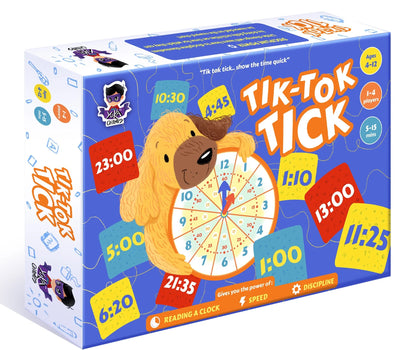
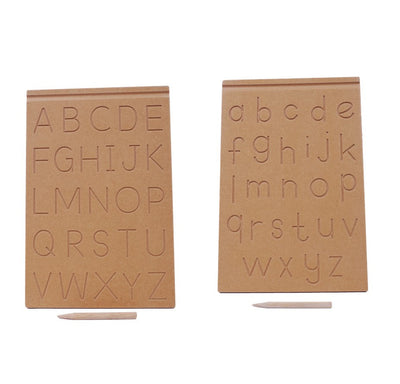
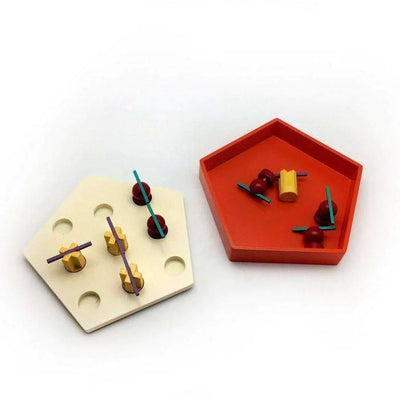
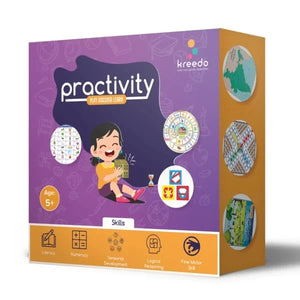
As parents, our role in supporting high-quality early learning extends beyond school walls. Incorporating educational toys for preschool readiness at home can significantly enhance your child's developmental journey. SkilloToys offers a curated selection of toys that align perfectly with Montessori principles and NEP 2020 guidelines, encouraging independent exploration and skill-building.
Whether it's practical life materials for fine motor skill development or sensorial tools for cognitive growth, these resources provide engaging learning opportunities. Even simple activities like helping grandparents during festivals or engaging in structured play with age-appropriate toys can reinforce essential life skills and academic concepts, preparing them for a smooth transition into formal schooling.
- The extended school entry age in India offers a valuable opportunity for deeper, holistic early learning.
- High-quality preschools align with NEP 2020 guidelines, emphasizing play-based, experiential education for ages 3-8.
- Montessori methods are particularly effective during this extended period, fostering independence and a love for learning.
- Early learning foundations must prioritize social-emotional skills, critical thinking, and creativity, not just academics.
- Preschool curriculum changes focus on interactive, hands-on learning, moving away from rote memorization.
- Parents can support preschool readiness at home with educational toys and engaging family activities.
What is considered a high-quality preschool in India?
A high-quality preschool in India aligns with NEP 2020 guidelines, focusing on holistic development through play-based, experiential learning rather than rote memorization. It provides a stimulating environment, trained educators, and age-appropriate curriculum for cognitive, social, emotional, and physical growth.
How does NEP 2020 impact preschool curriculum in India?
NEP 2020 significantly impacts preschool curriculum by advocating for a 5-year foundational stage (3-8 years), emphasizing play-based learning, activity-based learning, and discovery-based learning. It promotes early literacy and numeracy, focusing on understanding rather than just memorizing, and stresses the importance of mother-tongue instruction.
Are Montessori preschools beneficial with the extended entry age?
Yes, Montessori preschools are exceptionally beneficial with the extended entry age in India as they naturally align with the principles of self-directed, experiential learning now emphasized by NEP 2020. The child-led approach fosters independence, concentration, and a deep love for learning, which thrives over an extended early childhood period.
What should parents look for in a preschool curriculum now?
Parents should look for a preschool curriculum that integrates play, hands-on activities, and socio-emotional development alongside early literacy and numeracy. The curriculum should encourage curiosity, critical thinking, and problem-solving, moving away from purely academic pressure and towards holistic skill-building.
How can parents ensure early learning foundations are strong?
Parents can ensure strong early learning foundations by choosing a preschool that values play, child-centric methods, and trained educators, and by supplementing learning at home with educational toys. Engaging in daily conversations, reading together, and providing opportunities for creative exploration are also vital.