School Readiness Skills for 6 Year Olds India
For children entering Class 1 at age six in India, essential school readiness skills for 6 year olds India extend beyond basic academics to include strong social-emotional competence, self-help independence, cognitive problem-solving, and effective communication. Child development experts agree that this extended preschool year is a golden opportunity to build foundational resilience and a love for learning, rather than solely focusing on rote memorization.
School readiness, at its core, is a child's holistic development across various domains that enables them to engage successfully in a formal learning environment. This matters immensely because a well-prepared child approaches school with confidence, curiosity, and a positive attitude, which significantly impacts their lifelong educational journey. Indian parents can facilitate this by understanding and nurturing a broad spectrum of skills at home, especially with the shifting entry age for Class 1.
The Shifting Landscape of School Entry in India
The recent news, such as Goa raising its Class 1 entry age to six years, reflects a broader, nationwide shift aligned with the National Education Policy 2020. This means many children now gain an additional year in preschool or at home before formal schooling begins. This change is not just about delaying academics; it's an opportunity to strengthen crucial developmental areas often overlooked in the rush for early academic achievement.
While urban Indian parents often seek the "best preschools" (as highlighted by ANI News), it's vital to remember the rich learning that occurs in diverse environments. For instance, the experiences of children in rural India, often engaged in early responsibilities and community interactions, naturally foster many vital life skills. This extended time allows for deeper, more meaningful learning, far beyond textbook memorization.
Foundational School Readiness Skills for 6 Year Olds India
As children prepare for Class 1 entry at age six, the focus should be on a balanced skill set. Research from institutions like the Harvard Center on the Developing Child emphasizes that non-cognitive skills – those related to self-regulation and social interaction – are paramount for school success.
Social-Emotional Skills: Building Resilience and Empathy
At six, children are developing a more sophisticated understanding of emotions and social cues. They need to manage their feelings, cooperate with peers, and navigate classroom dynamics. The American Academy of Pediatrics recommends fostering self-regulation as a key skill, enabling children to handle frustration and adapt to new situations.
Montessori classrooms naturally cultivate these Montessori skills for 6 year olds India through grace and courtesy lessons, encouraging respectful interaction and problem-solving. At home, you can practice taking turns during games, discussing feelings after a disagreement, or involving children in family decisions, which builds a sense of belonging and empathy.
Self-Help & Independence: The Unsung Heroes of Class 1
Often underestimated, self-help skills are critical for preparing child for class 1 at 6. A child who can independently manage their belongings, use the restroom without assistance, and take care of personal hygiene frees up mental energy to focus on learning. Maria Montessori stressed the importance of "Practical Life" activities for fostering independence and concentration.
In Indian homes, involving children in everyday chores – like helping to set the dinner table, folding clothes, or packing their own bag for a day out – provides invaluable practice. Simple tasks with Montessori practical life materials can dramatically boost confidence and competence.
Cognitive & Pre-Academic Foundations: Beyond Rote Learning
For class 1 entry age 6 skills, the emphasis shifts from mere recognition to deeper understanding. Children should be developing critical thinking, problem-solving, sequencing abilities, and sustained attention. NCERT's curriculum frameworks encourage experiential learning that builds concepts, not just facts.
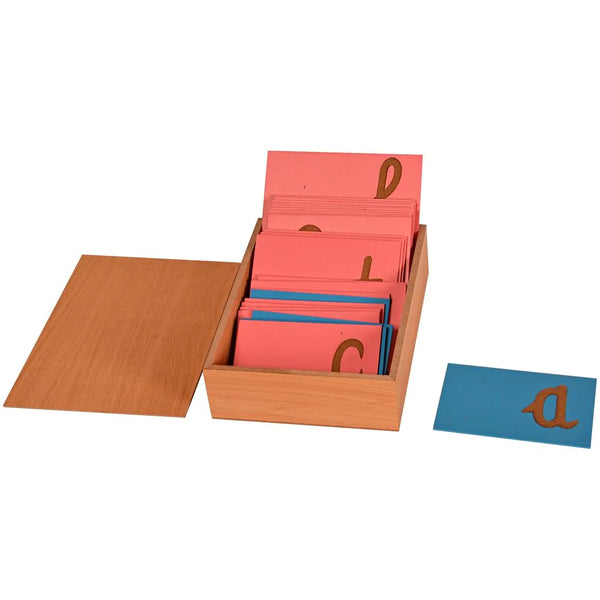
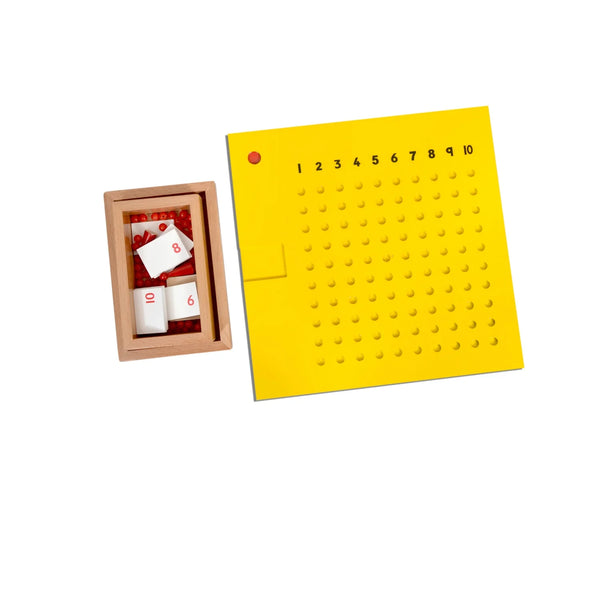
At this age, children thrive with activities that challenge their logic and reasoning. Puzzles, building complex structures with blocks, and engaging in "what if" conversations strengthen their cognitive muscles. Montessori materials like Number Rods or the Movable Alphabet move beyond rote memorization to build a concrete understanding of mathematical and linguistic principles.
Language & Communication: Expressing and Understanding
Clear communication is foundational. A 6-year-old should be able to articulate their thoughts, ask questions, listen attentively, and follow multi-step instructions. This is crucial for navigating classroom interactions and absorbing new information. Strong language skills are paramount, especially as preschool skills for delayed entry allow for more nuanced development.
Encourage storytelling, reading aloud together (even in regional languages), and engaging in conversations at the dinner table where every family member shares their day. Role-playing different scenarios can also help children practice expressing themselves and understanding others' perspectives, building vital communication habits.
Integrating Montessori Principles at Home for New School Readiness Expectations India
The extended preparation period before Class 1 at age six presents a unique opportunity for parents to adopt a Montessori-inspired approach at home. Create a "prepared environment" where materials are accessible, and children can choose activities that interest them. Observe your child closely to understand their current developmental stage and introduce challenges just beyond their current capabilities.
This child-led learning, coupled with respectful guidance, builds intrinsic motivation and deep concentration – invaluable assets for any formal school setting. Remember, school readiness isn't a checklist to tick off but a journey of growth, discovery, and building a confident, curious learner ready for Class 1.