Child Budgets India: Toddler Development & Montessori
The recent analysis of child budgets India by The Hindu Centre for Politics and Public Policy offers vital insights into how government spending directly shapes the critical years of toddler development (1-3 years). For parents in Bengaluru and across India, understanding these financial commitments isn't just about policy; it's about recognising the resources available and the foundational support that impacts everything from a child's health to their early learning experiences.
Child budgets in India represent the allocations made by both central and state governments towards schemes and programs specifically designed for children's welfare, development, and protection. These encompass vital areas such as nutrition, health, education, and safety, creating the essential groundwork for a toddler's future.
Investing in India's Children: The Foundation of Growth
When we talk about investing in India's children, it begins with ensuring their fundamental needs are met. Research shows that the first 1000 days of a child's life, including the toddler years, are crucial for brain development. The government's expenditure on maternal and child health, supplementary nutrition programmes like Poshan Abhiyaan, and immunisation drives directly influences this.
For a 2-year-old growing up in a joint family in Chennai, access to a local Anganwadi for a nutritious meal or an early health check-up can make a significant difference. The Indian Academy of Pediatrics (IAP) consistently highlights the long-term impact of adequate nutrition and preventive healthcare on a child's cognitive function and physical growth. These investments are the silent backbone, ensuring a child is ready to learn and explore.
Government Schemes for Child Development India & Early Learning
Many government schemes for child development India are tailored to support toddlers during these formative years. The Integrated Child Development Services (ICDS) scheme, for instance, operates Anganwadi Centres across the nation, serving as vital hubs for rural and urban low-income communities.
For a child aged 18-36 months, an Anganwadi might offer supplementary food, growth monitoring, and basic health services, forming part of comprehensive toddler development programs India. While formal preschool education often begins at age three, the holistic support provided earlier helps build a child's resilience and capacity for learning. NCERT's National Curriculum Framework for Early Childhood Care and Education (2019) emphasizes the importance of a nurturing environment for 1-3 year olds, which these schemes aim to provide.
Early Childhood Education Funding India: Montessori Synergy
While direct early childhood education funding India for structured Montessori programs is less common at the government level, the overall investment in a child's well-being creates fertile ground for such pedagogical approaches. A healthy, well-nourished toddler, whose basic needs are met, is naturally more receptive to self-directed learning and exploration – core tenets of the Montessori method.
When a child is free from the distractions of hunger or illness, their natural curiosity can blossom. Montessori learning thrives on hands-on exploration and an environment prepared for discovery. For instance, a child who has developed fine motor skills through everyday activities or Anganwadi-provided simple manipulatives is better prepared for working with Montessori sensory materials like the Pink Tower or Cylinder Blocks.
Empowering Parents: Accessing and Advocating for Resources
Understanding the intricacies of child budgets India empowers parents to be more proactive. Knowing that funds are allocated for child health, nutrition, and early learning means you can seek out these resources. Parents in Bengaluru might find local NGOs working in tandem with government schemes, or engage with community health workers for information.
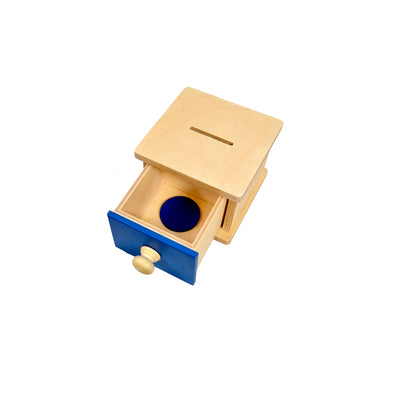
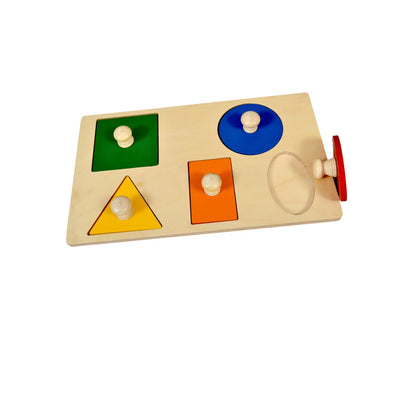
For parents of a 2-year-old, this could mean ensuring your child participates in immunisation drives, accessing nutritional supplements if needed, or simply understanding the developmental milestones that these schemes aim to support. Complementing these foundational efforts with engaging Montessori-inspired wooden puzzles at home can significantly enhance cognitive development, offering a blend of government support and personalized learning.
The Unseen Impact: From Policy to Playtime
The allocation of government funds, as highlighted by The Hindu Centre, isn't an abstract number; it translates into tangible impacts on a child's daily life. It ensures that a 1-year-old in a bustling Mumbai apartment has access to a growth chart at the local health clinic, or that a 3-year-old in a Karnataka village can interact with basic educational toys at an Anganwadi.
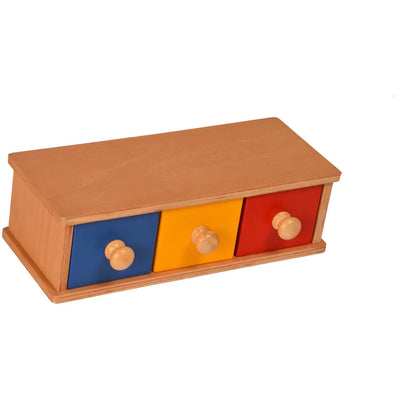
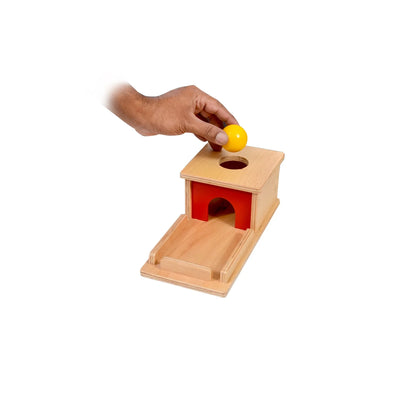
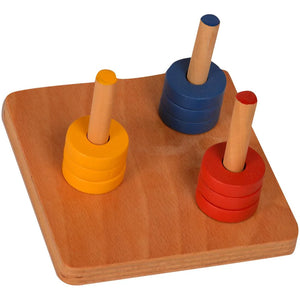
Child development experts agree that a holistic approach, blending formal and informal learning, traditional care from grandparents, and modern educational tools, yields the best outcomes. By investing in foundational aspects of child welfare, India's child budgets lay the groundwork, allowing families to then build upon that with focused educational approaches, including the self-directed learning principles of Maria Montessori. Consider engaging your child with Montessori sorting and stacking toys, which naturally align with cognitive and fine motor skill development supported by these broader initiatives.
The link between policy, budget allocation, and a toddler's joyful play is clear. By staying informed, Indian parents become powerful advocates for their children's future, leveraging every resource available to foster healthy, curious, and capable young minds.