Child Developmental Delays by 1.5 Years: Why Early Detection Matters
In Indian homes, where a child's every milestone is celebrated, understanding the significance of early development is paramount. Recent news from 'India's Deep Connection', a startup raising $110K seed funding to detect child developmental delays by age 1.5, spotlights a critical timeframe for parents. This age, around 18 months, isn't just another birthday; it's a profound window of opportunity that can shape a child's entire future.
Detecting child developmental delays by age 1.5 is critical because this period (12-18 months) is one of immense brain plasticity, offering the best window for effective intervention. Early support can significantly improve long-term outcomes in communication, social skills, and cognitive development. Indian parents can empower themselves by closely observing milestones and seeking professional guidance promptly if concerns arise.
What are Child Developmental Delays at 18 Months?
Child developmental delays refer to when a child doesn't reach developmental milestones at the expected times. This could involve areas like speech, motor skills (walking, running), social-emotional skills, or cognitive abilities. At 18 months, these delays are often subtle, not always immediately obvious, but are crucial indicators.
This matters profoundly because the first three years of life are a period of explosive brain growth. Research from the Harvard Center on the Developing Child highlights that a child's brain forms over a million new neural connections every second in early childhood. This biological fact underpins the importance of early intervention, as the brain is most receptive to new learning and adaptation during this 'critical period child development'.
The Critical 18-Month Window: Why it Matters for Indian Families
For Indian parents, the pressure for a child's success, whether in academics or social integration, often starts early. Detecting delays by 18 months isn't about rushing childhood; it's about providing a strong foundation. Studies indicate that interventions before age two are significantly more effective than those started later. For example, a child with speech delays identified at 18 months has a much higher chance of catching up than one identified at three or four years old.
Consider little Rohan from Bengaluru. His dadi noticed he wasn't making eye contact or babbling as much as his older cousin did at the same age. Initially, the family thought he was just a 'quiet child'. However, at 18 months, their paediatrician, after a thorough check-up, recommended a developmental assessment. This early detection, fuelled by dadi's keen observation and the doctor's proactive approach, allowed Rohan to begin speech therapy and social interaction programs, drastically improving his communication skills before he even turned three.
Importance of Early Intervention in India: Beyond Milestones
The conversation around early detection isn't just clinical; it's deeply cultural. In many Indian joint families, grandparents often play a vital role in childcare, offering a valuable extra set of eyes. Their traditional wisdom combined with modern paediatric guidelines creates a powerful network for a child's well-being. The recent news of 'India's Deep Connection' securing funding to develop tools for 1.5-year-old delay detection further underscores the national commitment to supporting young children. Similarly, initiatives like the BRICS Child Futures Forum and review meetings by the Ministry of Women and Child Development are focused on enhancing child development frameworks across the nation.
Early intervention offers comprehensive support that can include speech therapy, occupational therapy, physical therapy, and special education services. These services are tailored to help children develop foundational skills, improving their ability to learn, play, and interact. Delaying intervention can lead to more significant challenges, impacting a child's confidence and potentially their future academic journey in India's competitive schooling system.
Montessori for Developmental Delays: A Proactive Approach
The Montessori philosophy, championed by Dr. Maria Montessori, offers a natural framework for both observing and supporting children, especially those with potential developmental delays. At its core, Montessori is about keen observation – 'following the child' – and preparing an environment that naturally fosters development. This individualized approach makes it easier for parents and educators to spot when a child is consistently struggling with a particular task or showing an unusual pattern of engagement.
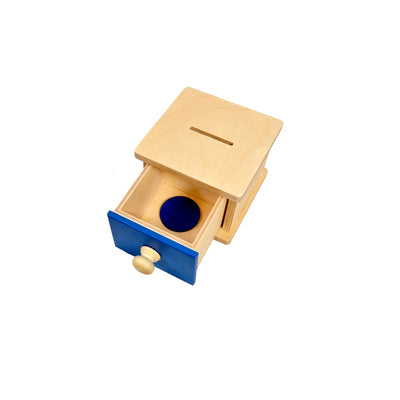
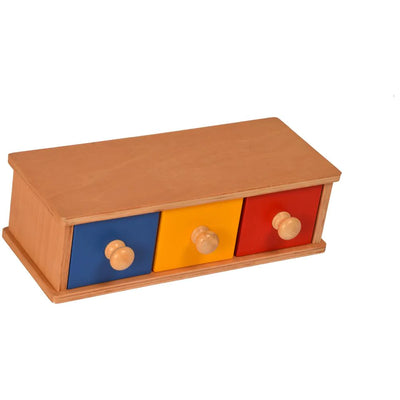
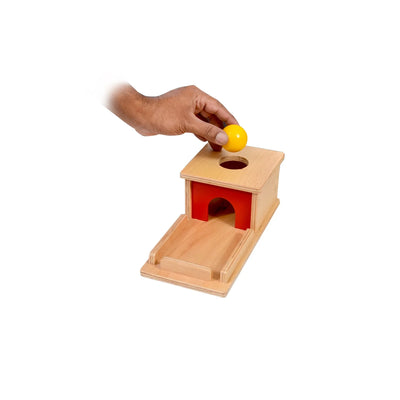
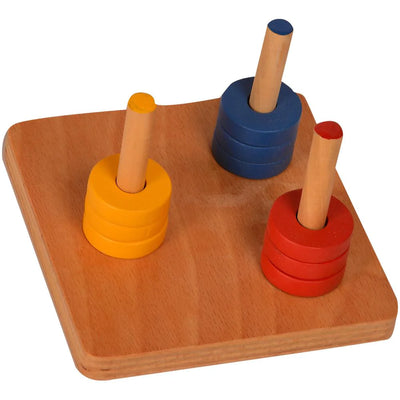
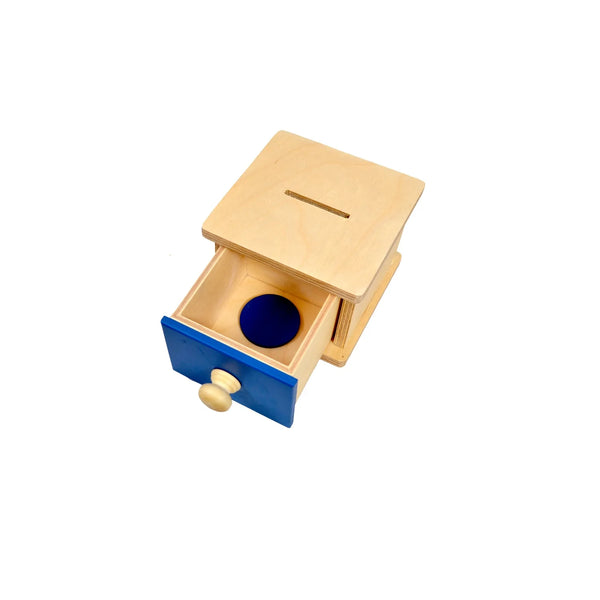
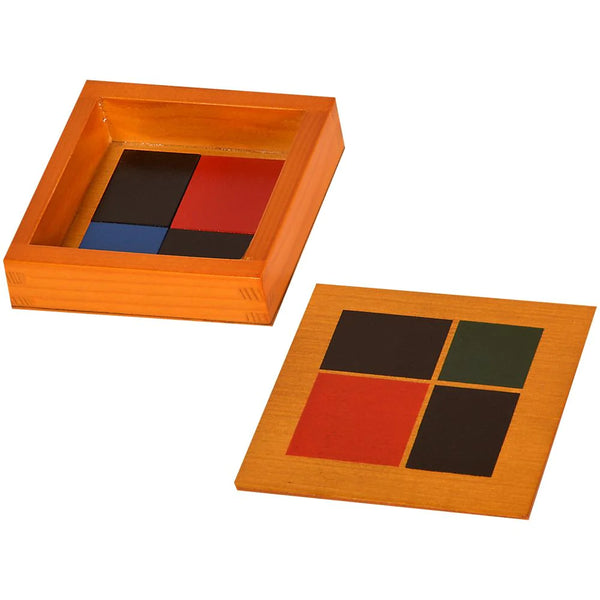
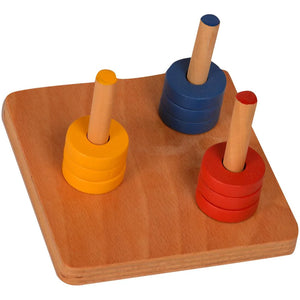
For instance, a child exploring our Montessori Method Learning Materials, like a cylinder block set, should show curiosity and attempts to manipulate the cylinders. If an 18-month-old consistently ignores these materials or shows profound frustration without engagement, it might warrant closer observation. Montessori emphasizes self-correction and repetition, allowing children to develop fine motor skills and problem-solving at their own pace. If a child is consistently unable to grasp simple concepts or interact with age-appropriate materials, it becomes a clear indicator.
Montessori environments offer a structured yet free space for children to engage. For a toddler who might be delayed in fine motor skills, practical life activities like transferring beads with tongs or buttoning frames provide focused, repetitive practice. For language delays, picture cards and language materials encourage naming and association. These activities aren't just play; they are carefully designed exercises that help pinpoint and strengthen specific developmental areas.
Observing Toddler Developmental Milestones at 18 Months
Parents are their child's first and best observers. While every child develops at their own pace, there are general milestones to watch for around 18 months. These include:
- Language: Using at least 6-20 single words, attempting two-word phrases, pointing to express needs or interest, understanding simple instructions.
- Motor Skills: Walking independently, running stiffly, scribbling spontaneously, building a tower of 2-4 blocks, feeding themselves with a spoon.
- Social-Emotional: Engaging in pretend play (e.g., feeding a doll), showing affection, pointing to show things to others, imitating household activities, playing alongside other children.
- Cognitive: Pointing to one body part, understanding object permanence (finding hidden objects), identifying familiar pictures.
If your child consistently misses several of these milestones or seems to regress in previously acquired skills, it's a cue for further evaluation. Trust your instincts; if something feels off, it's worth exploring.
Taking Action: Empowering Indian Parents
The journey of parenthood is filled with joys and questions. When it comes to child developmental delays by age 1.5, proactive engagement is key. Don't hesitate to voice your concerns to your paediatrician. They are your primary resource and can guide you through the process of assessment and, if needed, connecting with early intervention services.
In your home, create an environment that encourages exploration and learning. Offer open-ended wooden toys and materials that stimulate curiosity and encourage independent play. Observe how your child interacts with their surroundings and with you. The strength of Indian families lies in their collective support, and together, you can ensure your little one receives the best possible start for a bright future.