Child Developmental Delays: Early Intervention in India
Observing a child's journey from their first steps to their first words is a source of immense joy for any parent. However, sometimes, this journey presents unexpected turns, leading to concerns about child developmental delays. For parents in India, understanding and addressing these delays in toddlers (1-3 years) is paramount, especially with new initiatives like 'India's Deep Connection' highlighting the critical need for early detection by 1.5 years.
Child developmental delays occur when a child does not reach expected developmental milestones in areas such as motor skills, speech, social interaction, or cognitive abilities within the typical age range. This is important because early detection and intervention can significantly alter a child's developmental trajectory, fostering better long-term outcomes and enabling them to thrive.
Recognising Developmental Delays in Toddlers (1-3 Years): An Indian Perspective
Toddlers aged 1 to 3 years are experiencing rapid development across multiple domains. While every child progresses at their unique pace, consistent observation against typical toddler milestones 1-3 years is key. In many Indian homes, with the wisdom of grandparents and the collective eye of a joint family, subtle cues might be noticed first. However, a significant deviation from expected milestones warrants closer attention.
Globally, research indicates that approximately 10-15% of children experience some form of developmental delay. For instance, if a 18-month-old is not attempting to walk or a 2-year-old struggles to combine two words, these could be signs. Child development experts agree that delayed speech, fine or gross motor skills, social interaction, or cognitive understanding are critical areas to monitor.
Pay attention if your child consistently:
- Doesn't respond to their name by 12 months.
- Doesn't point to show things by 14 months.
- Doesn't use single words by 16 months or two-word phrases by 2 years.
- Doesn't walk by 18 months.
- Loses skills they once had.
- Avoids eye contact or has limited social interaction.
- Exhibits repetitive movements or unusual play patterns.
It is crucial not to compare your child excessively with others but to focus on their individual progress. If you notice persistent concerns, trust your parental instincts.
When to Seek Professional Help: Early Intervention for Toddlers in India
The Union Minister Smt. Annpurna Devi recently chaired a review meeting of the Ministry of Women and Child Development Schemes, underscoring the government's focus on child welfare. This renewed attention, alongside initiatives like 'India's Deep Connection' detecting delays by age 1.5, signals a vital shift towards proactive support for early intervention toddlers India.
If you have concerns, the first step is always to consult your child's paediatrician. They can conduct initial screenings and refer you to specialists like developmental paediatricians, speech therapists, occupational therapists, or child psychologists. Timely intervention, ideally before age three, is proven to significantly improve outcomes because the young brain is most adaptable during this period.
Indian parents can also leverage government initiatives:
- Rashtriya Bal Swasthya Karyakram (RBSK): This program screens children from birth to 18 years for developmental delays, diseases, deficiencies, and disabilities, providing free early intervention services.
- Integrated Child Development Services (ICDS): Through Anganwadi centres, ICDS provides health, nutrition, and early childhood care and education, often acting as the first point of contact for developmental monitoring in rural and urban slum areas.
These schemes, alongside the BRICS Child Futures Forum for Child Development, signify a national commitment to supporting children's healthy development.
A Montessori Approach to Supporting Developmental Delays
Maria Montessori's philosophy, rooted in observation and a prepared environment, offers a naturally supportive framework for children facing developmental challenges. The Montessori method emphasizes hands-on learning, self-direction, and individualized instruction, allowing each child to progress at their own pace without undue pressure. This approach can be particularly effective for montessori support developmental delays.
For a child with speech delays, a Montessori environment might focus on rich vocabulary through concrete objects, encouraging them to label and categorize. For motor delays, practical life activities like pouring, spooning, or buttoning help refine fine motor skills and coordination. These activities are designed to isolate specific skills, allowing a child to master one step before moving to the next.
The calm, ordered environment helps reduce overstimulation, which can be particularly beneficial for children with sensory sensitivities or attention difficulties. Montessori's focus on concentration and purposeful activity builds confidence and a sense of accomplishment.
Educational Toys for Developmental Support: Purposeful Play at Home
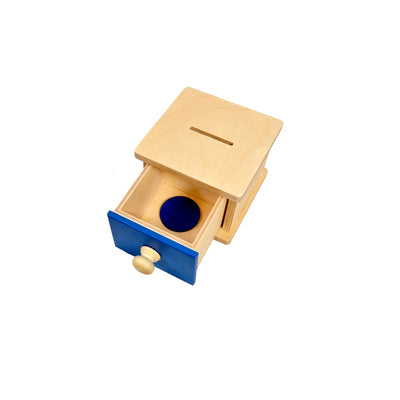
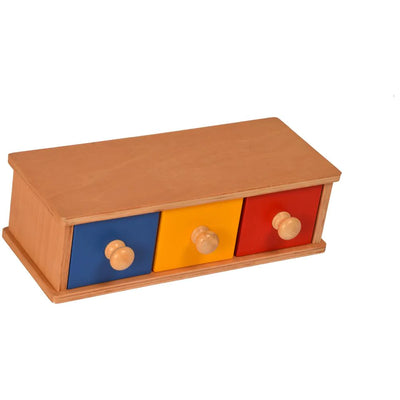
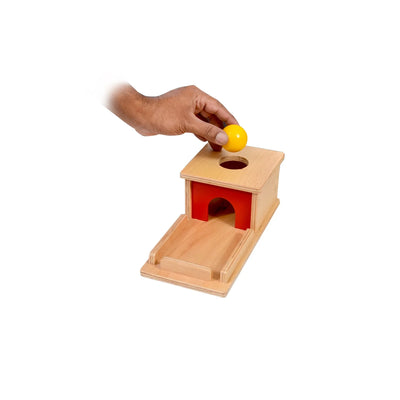
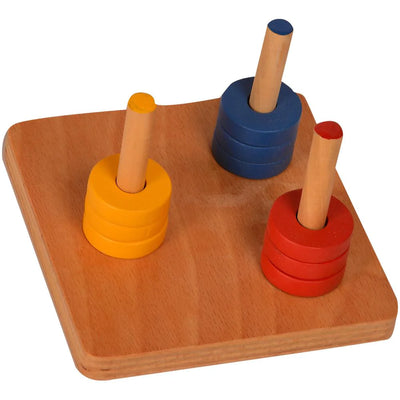
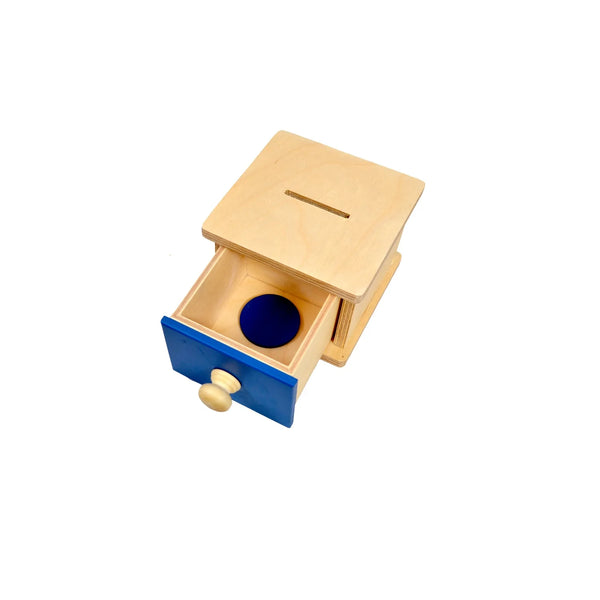
Educational toys are not merely for entertainment; they are tools for growth. When chosen thoughtfully, they become powerful aids for developmental support. SkilloToys.com champions Montessori-inspired materials that cater to specific developmental needs.
- For Fine Motor Delays: Look for Montessori practical life materials like pouring sets, buttoning frames, or lacing beads. These help strengthen small hand muscles, improve dexterity, and develop hand-eye coordination. The satisfying precision of placing a peg in a board or stringing a bead provides immediate, tangible feedback.
- For Language Delays: Offer wooden language objects, picture cards, or sound cylinders. Engage your child in naming objects, describing their properties, and creating simple stories. The key is to make language acquisition concrete and engaging.
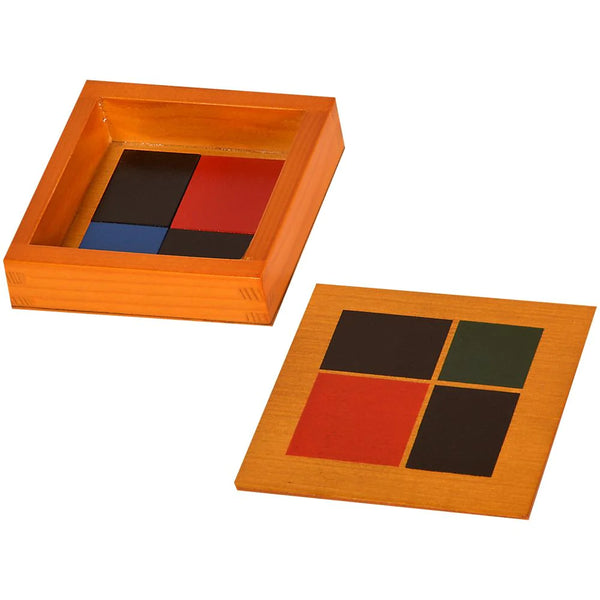
- For Sensory Processing Support: Explore Montessori sensory development toys such as textured blocks, sound boxes, or grading cylinders. These help children process sensory input, refine their senses, and develop discrimination skills in a structured, calming way.
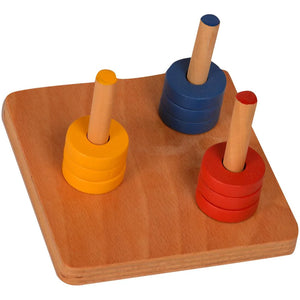
- For Cognitive Development: Puzzles, stacking toys, and pattern-matching activities enhance problem-solving, logical thinking, and spatial awareness. The SkilloToys range of Montessori learning materials provides age-appropriate challenges that encourage exploration and discovery.
The effectiveness of these educational toys lies in their open-ended nature, inviting the child to engage, explore, and learn through doing. Parents can create a 'prepared environment' at home, much like a Montessori classroom, by offering accessible, high-quality materials that invite purposeful play and support their child's unique developmental path.
Understanding and addressing child developmental delays can feel overwhelming, but Indian parents are not alone. By trusting your observations, seeking professional guidance, exploring government support, and integrating a Montessori approach with educational toys, you can provide your toddler with the best possible foundation for a fulfilling future. Remember, every small step forward is a victory, and with the right support, your child can truly blossom.