Educational Toys for Toddlers: 1-3 Year Guide
Choosing Educational Toys for Toddlers (1-3 Years) in India
Educational toys for toddlers aged 1-3 years are fundamental tools that actively foster a child’s holistic development, promoting independence and crucial skills. These carefully chosen materials, as advocated by child development experts like Maria Montessori, are designed to engage a child's innate curiosity and support their journey through rapid physical, cognitive, and socio-emotional milestones. The National Departmental Summit on Women and Child Development, chaired by our Prime Minister, underscores India's commitment to robust early childhood education, affirming the profound impact of quality learning experiences, including play, from the earliest years.
Educational toys are not merely playthings; they are purposeful instruments crafted to stimulate a child’s senses, encourage exploration, and build foundational skills. This matters because active engagement with well-designed toys empowers children to learn at their own pace, fostering self-confidence and problem-solving abilities. Indian parents, often navigating the dual demands of tradition and modern education, can specifically leverage these toys to create a "prepared environment" at home, one that encourages their little one’s natural drive to discover and grow independently.
Benefits of Educational Toys for Toddlers
Investing in thoughtful educational toys for toddlers offers a wealth of developmental benefits beyond just keeping them occupied. For children like 18-month-old Aarav in a bustling Mumbai apartment, who might have limited outdoor play space, these toys become crucial for developing gross motor skills like balancing and fine motor skills such as grasping and manipulating small objects. Studies indicate that early exposure to diverse textures and shapes through play enhances sensory integration, a cornerstone for later learning.
Furthermore, these toys significantly boost cognitive development. A simple stacking tower, for instance, teaches cause-and-effect, spatial reasoning, and introduces early concepts of size and order. This is vital for a 2-year-old like Meera in Chennai, whose "why" phase is just beginning. According to UNICEF’s focus on Early Childhood Education, foundational learning experiences like these are critical for building a child’s brain architecture, setting the stage for lifelong learning and adaptability.
Montessori Educational Toys 1-3 Years: A Purposeful Approach
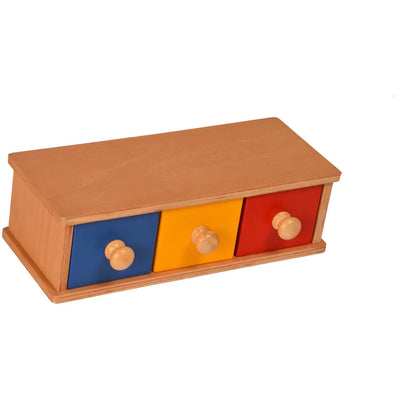
The Montessori philosophy provides an exceptional framework for selecting Montessori educational toys 1-3 years that truly serve a child’s developmental needs. Rather than brightly coloured, noisy gadgets, Montessori materials are often simple, made from natural materials like wood, and designed for a specific learning outcome. Consider the Montessori method learning materials as a holistic collection for young children.
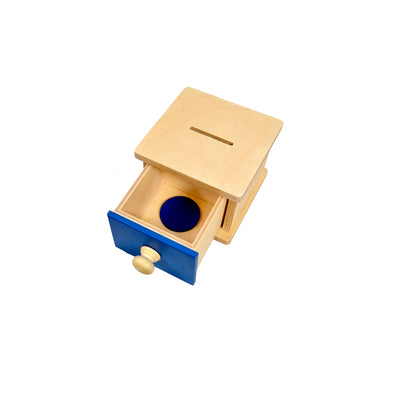
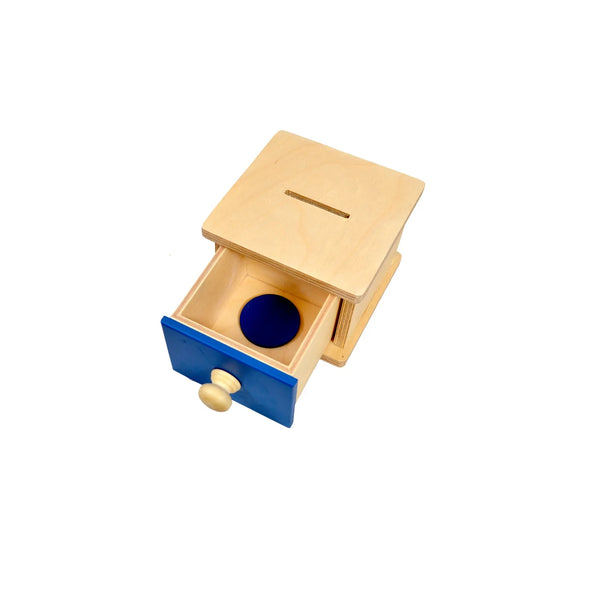
For instance, a wooden object permanence box or a bead maze allows a child to repeat an action until mastery, fostering concentration and a sense of accomplishment. This contrasts sharply with many electronic toys that "do the work" for the child, offering passive entertainment instead of active learning. The "boring" wooden block, which demands the child's imagination to transform into a fort or a train, often offers more real education than the flashy electronic gadget because it requires active problem-solving and creative thought from the child.
Best Educational Toys for 1 Year Old
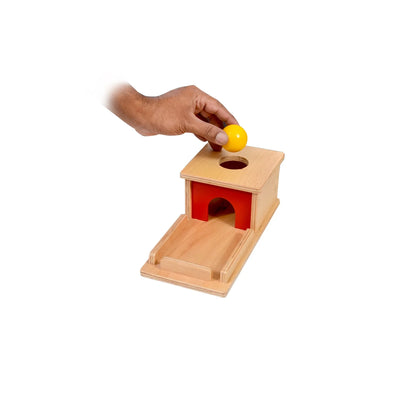
At around 12 months, toddlers are transitioning from infants to active explorers. The best educational toys for 1 year old focus on sensory stimulation, fine motor skills, and developing early gross motor abilities. Think about toys that encourage crawling, standing, and taking first steps. Simple push-pull toys are excellent for this, as are large wooden blocks that are easy to grasp and stack. Object permanence boxes, where a ball disappears and reappears, captivate their developing understanding of the world. Parents in joint families often find grandparents delight in introducing simple sorting games with household items, laying the groundwork for categorisation skills.
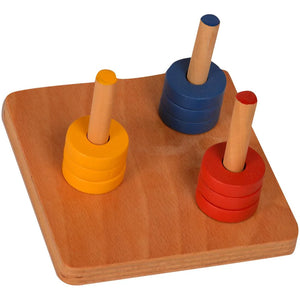
For refining fine motor control, shape sorters with simple, chunky shapes and large wooden stacking rings are ideal. The satisfying "clunk" of one wooden piece fitting into another is a reward in itself, fostering repetition and concentration. You can explore a range of Montessori infant and toddler toys for this age.
Best Educational Toys for 2 Year Old
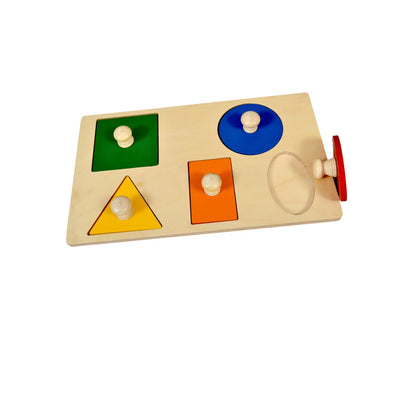
By age two, a toddler's world expands dramatically, and so should their educational toys. The best educational toys for 2 year old support blossoming independence, language development, and early imaginative play. Simple puzzles with large knobs, building blocks of varying sizes, and threading activities are excellent for refining fine motor skills and problem-solving.
This is also the age when practical life activities become fascinating. A child-sized broom or a pouring station with water and small cups allows them to mimic adult activities, fostering a sense of capability and contribution within the Indian home. Role-playing with simple figurines or play kitchens encourages language, social skills, and creative storytelling, preparing them for the more structured interactions of a playgroup or preschool.
Best Educational Toys for 3 Year Old
As toddlers approach their third birthday, they are preparing for preschool and more complex social interactions. The best educational toys for 3 year old should challenge their cognitive abilities, promote pre-literacy and pre-math skills, and encourage cooperative play. Complex puzzles, pattern-making activities with colourful blocks, and matching games are excellent for developing logical thinking and visual discrimination.
Materials like Montessori language materials, such as sandpaper letters (for tactile recognition) or picture-word matching cards, gently introduce concepts essential for reading. For mathematics, counting beads or simple number puzzles lay a strong foundation. In Indian households, where academic readiness can be a pressure point, these Montessori-inspired toys offer a gentle, play-based alternative to rote learning, ensuring children develop a genuine love for learning.
How to Choose Educational Toys for Toddlers (1-3 Years)
Choosing effective educational toys isn't about buying the most expensive or "smartest" item. It's about thoughtful selection. Here are key considerations:
- Observe Your Child: What are their current interests? What skills are they trying to master? A child showing interest in stacking might be ready for more complex building blocks.
- Open-Ended Play: Opt for toys that can be used in multiple ways, fostering creativity and imagination. Wooden blocks, play silks, and simple animal figures are perfect examples.
- Natural Materials: Toys made from wood, cotton, or metal offer diverse tactile experiences and are often more durable and aesthetically pleasing.
- Developmentally Appropriate: Ensure the toy matches your child's stage of development. A toy too advanced will cause frustration; one too simple will lead to boredom.
- Self-Correction: Montessori toys often allow the child to recognise their own mistakes and correct them, building resilience and problem-solving skills without adult intervention.
- Safety and Durability: Given that toddlers often explore with their mouths and hands, ensure toys are non-toxic, free of small choking hazards, and built to withstand enthusiastic play.
As India continues its focus on robust foundational learning — echoed in discussions like the BRICS Child Futures Forum — providing high-quality educational play experiences at home is more critical than ever. Empowering your toddler with the right educational toys is not just about fun; it's about nurturing a curious, independent, and capable learner ready for the world.