Play-Based Learning: As Vital as Nutrition for Toddlers
The importance of play-based learning for toddlers is a foundational aspect of child development, as critical and non-negotiable as adequate nutrition for their growing bodies and minds. Recent insights, including those highlighted by India Today, unequivocally place play on par with a balanced diet in shaping a child's future. For parents across Bengaluru and India, understanding this fundamental truth is the first step towards fostering truly holistic development in their 1-3 year olds.
Play-based learning is an educational approach where children learn through play and hands-on activities. This matters because it intrinsically motivates children, allowing them to explore, discover, and problem-solve in a natural, engaging way. Indian parents can actively facilitate this by providing a stimulating environment and age-appropriate materials.
Play-Based Learning: A Foundational Pillar for Toddler Development
Child development experts agree that play is the primary vehicle through which toddlers learn about themselves and the world around them. Research shows that engaging in purposeful play during the 1-3 year age range significantly boosts cognitive abilities, enhances problem-solving skills, and refines fine and gross motor development. For instance, stacking blocks helps with spatial reasoning, while chasing a ball improves coordination and balance.
Beyond physical and cognitive growth, play-based learning nurtures crucial social-emotional skills. Toddlers learn to share, negotiate, understand emotions, and express themselves, which are vital competencies for navigating family life in joint households or later, school environments. Studies from organizations like UNICEF consistently highlight that early childhood experiences, especially those rich in play, lay the groundwork for lifelong learning and well-being.
Montessori Play Benefits for Indian Homes
In the vibrant, often bustling landscape of Indian homes, Montessori play benefits offer a structured yet flexible approach to supporting a toddler's innate drive for exploration. Maria Montessori observed that children learn best through self-directed activity and interaction with a 'prepared environment.' This principle directly supports the kind of thoughtful engagement that Indian parents, often balancing cultural expectations and academic aspirations, seek for their children.
Montessori-inspired play encourages concentration, independence, and a sense of order. For instance, materials like Montessori practical life materials, such as pouring water or transferring beans, mimic everyday tasks, allowing toddlers to develop fine motor skills and a sense of accomplishment. This kind of structured play is particularly valuable in settings where screen time can become prevalent, offering a tangible, enriching alternative.
Nutrition and Play: Two Sides of the Same Developmental Coin
The comparison between nutrition and play in child development is not merely metaphorical; it reflects a profound biological reality. Just as protein builds muscle and vitamins support immunity, play actively builds and strengthens neural pathways in a toddler's brain. The complex interactions and challenges faced during play stimulate brain growth and development, fostering adaptability and resilience.
Adequate nutrition provides the fuel, but purposeful play provides the blueprint and the activity for the brain to build its intricate structures. Without both, a child's developmental potential remains unfulfilled. Consider a toddler in Bengaluru; they need their ragi porridge for energy, but they also need dedicated time with wooden puzzles to develop critical thinking and spatial awareness, preparing them for future academic rigour.
Choosing Educational Toys for Holistic Development in India
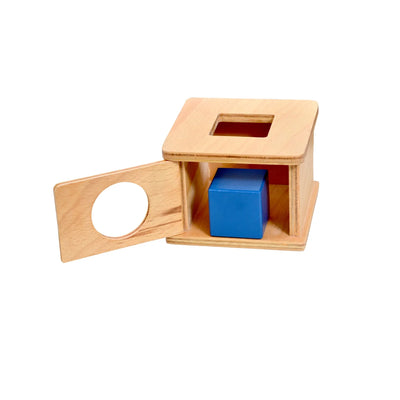
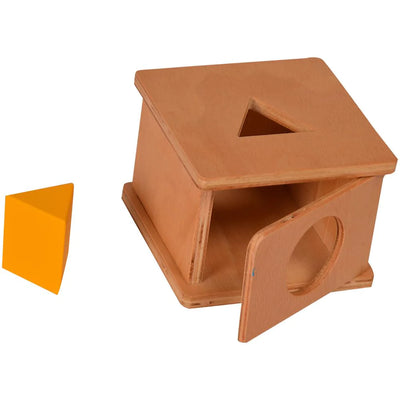
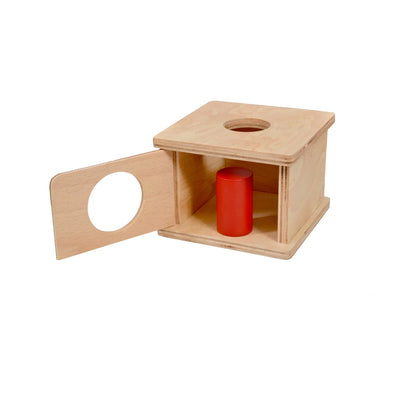
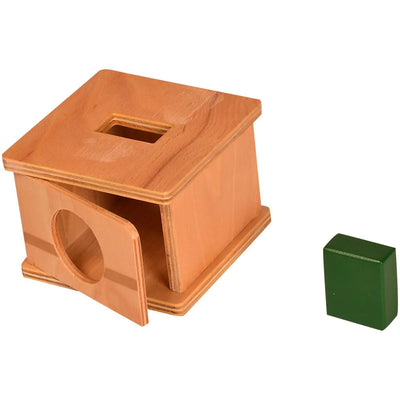
Selecting educational toys for holistic development means looking beyond mere entertainment. For 1-3 year olds, toys should be open-ended, allowing for multiple uses and encouraging creativity. They should also be made from natural, safe materials, aligning with the Montessori philosophy of respecting the child and the environment. SkilloToys.com offers a curated selection of such materials, perfect for nurturing growth.
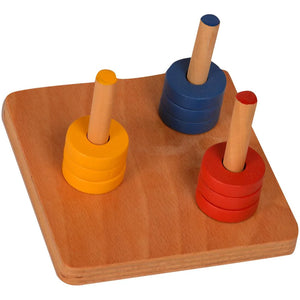
When choosing for your little one, consider toys that encourage active participation rather than passive observation. Simple wooden blocks, shape sorters, and stacking rings are excellent choices. They invite problem-solving, develop fine motor skills, and spark imagination. For example, a 2-year-old might build a tower with geometric solid blocks, then use them to create a make-believe home for their favourite animal, fostering both logical and creative thought.
In conclusion, for Indian parents navigating the intense years of toddlerhood, embracing the importance of play-based learning is not a luxury but a fundamental necessity. It's a commitment to fostering a well-rounded, resilient, and curious child ready to thrive in our dynamic world. Just as you ensure their thali is balanced, ensure their day is rich with purposeful play.
- Play-based learning is as essential as nutrition for holistic toddler development (1-3 years).
- Research indicates play significantly enhances cognitive, social, emotional, and physical skills in early childhood.
- Montessori principles support self-directed play, fostering independence and concentration, vital for Indian children.
- Purposeful play actively builds and strengthens neural pathways in the brain, complementary to nutritional input.
- Choosing open-ended, age-appropriate educational toys is crucial for stimulating comprehensive development.
- Integrating play into daily routines prepares toddlers for formal schooling and lifelong learning.
Why is play-based learning considered as important as nutrition?
Play-based learning is considered as important as nutrition because both are fundamental for comprehensive child development. Just as nutrition fuels physical growth, play fuels cognitive, emotional, social, and physical development, building crucial neural pathways and skills for life.
What are the key benefits of Montessori play for toddlers in India?
Montessori play benefits toddlers in India by fostering independence, concentration, problem-solving, and a love for learning. It provides hands-on, self-directed experiences that respect the child's natural curiosity and developmental pace, crucial for success in a competitive academic environment.
How can Indian parents incorporate play-based learning into daily routines?
Indian parents can incorporate play-based learning by creating a 'prepared environment' at home with open-ended materials, encouraging free exploration, and joining in playtime. Simple activities like helping with household chores, storytelling, or outdoor exploration also serve as valuable play opportunities.
What specific educational toys support play-based learning for 1-3 year olds?
Specific educational toys that support play-based learning for 1-3 year olds include wooden blocks, puzzles, sensorial materials like the Pink Tower, practical life tools for pouring or scooping, and stackers. These toys encourage fine motor skills, cognitive development, and independent discovery.
Does play-based learning prepare toddlers for formal schooling in India?
Yes, play-based learning profoundly prepares toddlers for formal schooling in India by developing essential pre-academic skills like concentration, logical thinking, communication, and social interaction. Children who engage in meaningful play often show greater readiness, adaptability, and resilience in classroom settings.