Signs of Developmental Delay in Toddlers: A Montessori Guide
For Indian parents, recognizing the signs of developmental delay in toddlers (1-3 years) is a topic of increasing importance. Research shows that early detection, especially by 1.5 years, can significantly improve a child's developmental trajectory, a concern highlighted by recent initiatives like 'India's Deep Connection' raising funds for this very purpose. This guide offers a practical, Montessori-informed approach to help you observe and understand your child's unique developmental journey.
A developmental delay in toddlers occurs when a child doesn't reach typical developmental milestones at the expected age range. This matters because early identification allows for timely support and intervention, which can significantly improve a child's long-term outcomes. Indian parents can empower themselves by understanding these milestones and proactively observing their child's growth.
Why Early Detection Matters: An Indian Perspective
The urgency of early detection of child developmental delays in India is undeniable. Recent news, from Union Minister Smt. Annpurna Devi chairing review meetings on child development schemes to the BRICS Child Futures Forum, underscores a national commitment to children's well-being. Initiatives like 'India's Deep Connection' securing seed funding specifically for detecting delays by age 1.5 years demonstrate a critical shift towards proactive care.
In the vibrant, often bustling, Indian household, be it a nuclear family in Bengaluru or a joint family in Kolkata, observing a toddler's development amidst daily routines, festivals, and the loving attention of grandparents is paramount. Early intervention, as emphasized by organizations like the Indian Academy of Pediatrics (IAP), can make a profound difference, potentially preventing minor delays from becoming significant challenges later on.
Montessori Milestones: What to Look For (1-3 Years)
Maria Montessori's philosophy teaches us the importance of keen observation. Instead of merely ticking boxes, we observe the child's natural interests, abilities, and sensitive periods. This approach helps parents identify potential signs of developmental delay in toddlers without panic, focusing on creating a supportive environment.
12-18 Months: The Explorer's First Steps
This is a period of immense physical and cognitive exploration. Toddlers are mastering walking and beginning to understand their world. Observing specific milestones during this time is crucial for toddler developmental milestones 1-3 years.
- Gross Motor: Most children will be taking their first independent steps or walking steadily. They might try to climb onto furniture. A sign of concern could be not walking at all by 18 months or struggling with balance excessively.
- Fine Motor: They can pick up small objects using a pincer grasp, stack 2-3 blocks, and put objects into containers. Difficulty with these simple tasks or only using one hand predominantly might warrant attention.
- Language: They respond to their name, understand simple instructions, and use 1-3 meaningful words beyond 'mama' and 'dada.' A lack of response to their name or no single words by 15-18 months can be a flag.
- Social-Emotional: They show affection, play simple imitation games (like clapping), and show separation anxiety. Not pointing to show interest or a lack of eye contact are important signs to watch for.
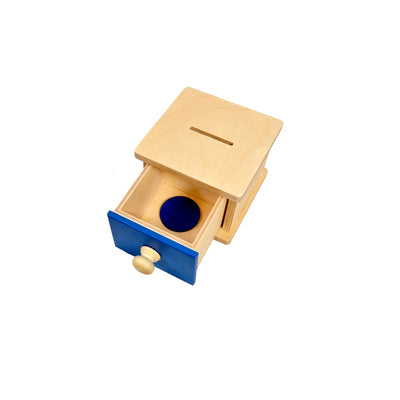
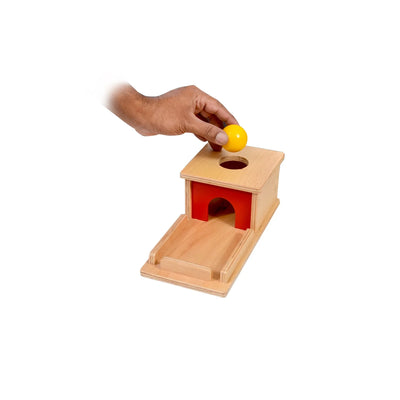
Montessori activities that support this stage include offering a child a sturdy push walker, providing simple shape sorters, and encouraging them to retrieve objects from baskets. These activities naturally promote both gross and fine motor skills.
18-24 Months: Language Blooms and Independence Grows
Between 18 months and 2 years, toddlers' language skills explode, and they assert their independence. This period is key for an early detection child development India checklist, especially around 1.5 years.
- Language: Uses at least 10-20 words, combines two words (e.g., "more milk," "dada go"), and follows two-step commands. Concern arises if they use fewer than 10 words, don't use two-word phrases, or don't seem to understand simple questions.
- Cognitive: Identifies familiar objects and body parts, imitates household tasks, and engages in simple pretend play. Not imitating actions or playing functionally with toys could be a sign to note.
- Social-Emotional: Shows increasing independence (wanting to do things by themselves), plays alongside other children, and shows a wider range of emotions. Persistent difficulty adapting to changes or a strong aversion to social interaction should be observed.
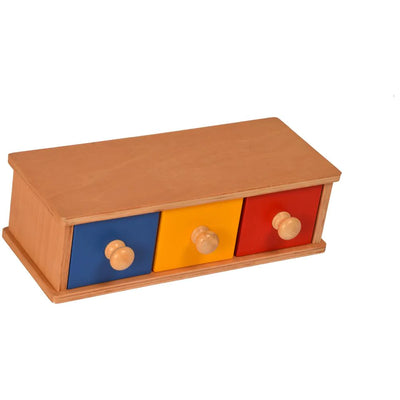
At home, encourage independence by involving them in simple practical life tasks, like helping wipe spills with a small cloth. Offer a variety of Montessori practical life materials that allow them to practice pouring, scooping, and buttoning, which are excellent for refining fine motor skills and concentration.
2-3 Years: The Little Person Emerges
By age three, toddlers are becoming little individuals with complex thoughts and strong wills. This age involves significant growth in communication and problem-solving, making it a critical time for a child development checklist 1.5 years and beyond.
- Gross Motor: Runs well, jumps with two feet, climbs stairs with alternating feet (though may still hold a railing). Concern if they fall frequently, struggle with basic climbing, or seem uncoordinated.
- Fine Motor: Draws lines and circles, stacks 6-8 blocks, turns door handles, and can manage some dressing tasks. Difficulty with simple puzzles or manipulating small objects could be a sign.
- Language: Uses 3-5 word sentences, asks "what" and "where" questions, and is generally understood by familiar adults. Persistent unclear speech, lack of conversation, or inability to follow complex instructions might indicate a delay.
- Cognitive: Understands concepts of "same" and "different," plays make-believe extensively, and knows their name and age. A lack of curiosity, inability to follow simple stories, or repetitive, non-functional play can be signs.
- Social-Emotional: Shows empathy, takes turns, separates easily from parents, and expresses a wide range of emotions. Extreme aggression, withdrawal, or an inability to interact with peers warrant professional attention.
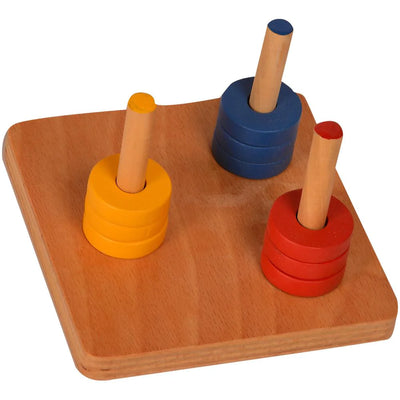
Montessori sensorial materials, such as the Pink Tower or Knobbed Cylinders, are excellent at this age for developing concentration, problem-solving, and fine motor control. Encouraging imaginative play with open-ended toys also fosters cognitive and social development.
Beyond Checklists: The Montessori Approach to Observation
While checklists are useful, the Montessori approach encourages Indian parents to look beyond simple comparisons. Sometimes, what appears to be a "delay" in one area might be a child intensely focused on mastering another skill. For instance, a child deeply engrossed in climbing and running (gross motor) might temporarily seem to "lag" in language, only to have a language explosion later. This is part of the non-obvious insight into child development.
As Maria Montessori taught, observing your child in a prepared environment — one that is safe, stimulating, and allows for self-directed activity — gives the clearest picture of their true capabilities and needs. Notice not just *what* they do, but *how* they do it, their concentration, their joy, and their struggles. This holistic view is at the heart of Montessori early intervention, guiding parents to provide tailored support.
When to Seek Professional Guidance in India
While observation is powerful, it's equally important for parents to know when to consult a professional. The Indian Academy of Pediatrics (IAP) advises parents to trust their instincts. If you have persistent concerns about your child's development in any area, especially if they are not meeting several milestones within the broad age range, do not hesitate to seek help.
Speak to your pediatrician first. They can conduct initial screenings and refer you to specialists like developmental pediatricians, speech therapists, occupational therapists, or child psychologists. In India, there's a growing network of early intervention centers that can provide comprehensive assessments and personalized programs, helping to mitigate any potential stigma often associated with developmental concerns.
Empowering Parents Through Informed Observation
Recognizing the signs of developmental delay in toddlers isn't about fostering anxiety; it's about empowering you as a parent with knowledge and confidence. By understanding key milestones and adopting a patient, observant Montessori approach, you can provide the best possible support for your child's unique developmental journey. Remember, your proactive engagement and a nurturing home environment are your child's greatest assets.
Tonight, take a moment to simply observe your child without judgment. Notice their movements, their sounds, their interactions. What are they truly interested in? What challenges are they trying to master? This simple, focused observation is the first step in truly understanding and supporting their growth.