Telugu Letters with Pictures: A Montessori Guide for Toddlers
Introducing telugu letters with pictures to toddlers (1-3 years) effectively leverages a Montessori play guide, focusing on sensory exploration and hands-on activities to foster early language development. By providing concrete materials and a prepared environment, Indian parents can joyfully immerse their little ones in their mother tongue, aligning with national goals for holistic early childhood growth. This approach ensures learning is natural, engaging, and culturally rooted, preparing them for a bright future.
Early regional language development, particularly with Telugu letters with pictures, is the process of introducing a child to the script and sounds of Telugu through visual and tactile engagement during their formative years. This matters because it strengthens cognitive abilities, cultural identity, and communication skills from a young age. Indian parents can facilitate this by integrating playful, structured learning into daily routines.
Why Early Telugu Language Learning Matters for Indian Toddlers
Fostering early language development in India is more than just academic; it's about connecting children to their heritage, family, and community. Research shows that children introduced to a second language or their mother tongue early often exhibit enhanced problem-solving skills and cognitive flexibility. In joint Indian families, learning Telugu creates stronger bonds, enabling toddlers to communicate with grandparents and other relatives, thereby preserving cultural stories and traditions.
The national conversation, highlighted by initiatives like the BRICS Child Futures Forum and reports from the Parliamentary Standing Committee on Women & Child Development, emphasizes that early investment in children is the key to India’s future. Introducing telugu alphabets for toddlers at a young age aligns perfectly with this vision, nurturing cognitive growth while rooting children firmly in their cultural identity. It's about empowering the next generation to be both globally aware and culturally rich.
The Montessori Approach to Introducing Telugu Letters with Pictures
The Montessori method, pioneered by Dr. Maria Montessori, offers a profound framework for early language acquisition. It respects the child's natural curiosity and innate desire to learn, moving from concrete experiences to abstract understanding. When introducing Telugu, this means providing tangible, beautiful materials that invite exploration rather than relying on rote memorization. This hands-on philosophy is particularly effective for learn Telugu for kids as it taps into their natural inclination to touch, feel, and manipulate.
Montessori education focuses on preparing an environment that supports self-directed learning. For Telugu letters, this involves accessible materials, clear presentation, and allowing the child to discover and practice at their own pace. Child development experts agree that such an approach not only builds foundational language skills but also cultivates concentration, independence, and a lifelong love for learning, crucial for overall development in Indian homes.
Age-Appropriate Milestones (1-3 Years) for Telugu Language
Understanding your toddler's developmental stage is crucial for successful language introduction. While every child is unique, general milestones can guide your approach:
- 12-18 Months: At this stage, focus on exposing them to the sounds of Telugu through songs, simple words, and daily interactions. Point to objects and name them in Telugu. Picture books with Telugu labels are ideal.
- 18-24 Months: Toddlers begin to connect sounds with visual representations. This is a great time to introduce Telugu letters with pictures, perhaps through simple flashcards or pointing out letters in books. They might start mimicking sounds and simple words.
- 2-3 Years: Children become more capable of engaging with structured (but still playful) activities. This is the prime time for Montessori Telugu activities like tracing Sandpaper Letters or matching pictures to initial sounds. Their vocabulary expands rapidly, and they begin to form short phrases.
Engaging Activities to Learn Telugu for Kids
Making learning a joyous experience is at the heart of the Montessori philosophy. Here are practical ways to introduce Telugu letters with pictures:
1. Sandpaper Telugu Letters: A Tactile Discovery
The Montessori Sandpaper Letters are invaluable for teaching letter shapes and sounds. Each Telugu letter is presented on a smooth board with its form raised in sandpaper. Your child traces the letter with their finger, feeling its shape while you say its sound. This multi-sensory experience deeply imprints the letter into their memory. It connects the visual, tactile, and auditory senses, making learning holistic.
2. Telugu Picture Cards: Connecting Sounds and Images
Create or find picture cards featuring common objects whose names start with Telugu letters (e.g., 'A' for Amma, 'Ka' for Kamala). Present these alongside the corresponding Telugu letter. This helps toddlers associate the letter sound with a concrete image, strengthening their vocabulary and understanding. These cards are perfect for matching games or simply pointing and naming during playtime.
3. Telugu Story Time & Songs: Cultural Immersion
Regularly read Telugu storybooks and sing traditional Telugu rhymes. Grandparents often have a treasure trove of stories and songs, making this a beautiful way to involve the whole family. These activities not only introduce words and sounds but also weave cultural narratives and foster a love for the language in a warm, familiar setting. Such exposure is key to building a rich linguistic environment.
4. Sensory Play with Telugu Alphabets
Integrate Telugu letters into sensory bins. Hide wooden alphabet puzzles or letter cut-outs in rice, sand, or lentils. As your child digs them out, name the letters in Telugu. This makes learning exploratory and fun, tapping into their natural desire to play. You can also use playdough to form Telugu letters, engaging fine motor skills.
5. Creating a Telugu Learning Environment
Designate a 'Telugu Corner' in your home with accessible Telugu learning toys, books, and flashcards. Label everyday objects in your home with their Telugu names. This passive exposure reinforces learning throughout the day. A prepared environment empowers the child to choose their learning materials and engage independently.
Choosing the Right Telugu Learning Toys for Toddlers
Selecting appropriate materials is paramount for effective Telugu learning toys. Prioritize toys that are open-ended, durable, and safe, made from natural materials like wood. Studies indicate that children engaged in play-based learning demonstrate higher retention rates and greater motivation compared to rote memorization. Look for:
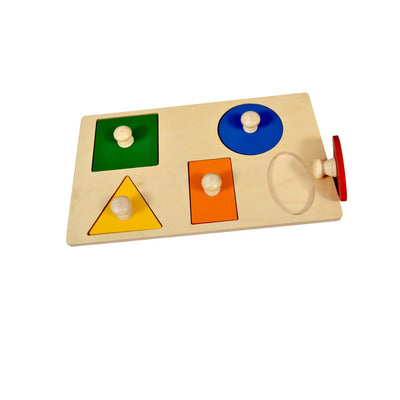
- Wooden Telugu Alphabet Puzzles: These allow toddlers to manipulate individual letters, understanding their shape and how they fit together.
- Telugu Flashcards with Real Pictures: Visual clarity and real-world connections are crucial for young minds.
- Montessori Sandpaper Letters: As discussed, these are fundamental for tactile learning.
- Picture Books in Telugu: Rich visuals and simple stories are excellent for vocabulary building and fostering a love for reading.
SkilloToys.com offers a curated collection of Montessori Method Learning Materials designed to support your child's holistic development, including language acquisition. Invest in tools that support independent exploration and make learning Telugu an enjoyable journey.
- Introducing Telugu letters with pictures to toddlers (1-3 years) through Montessori methods significantly enhances early language development.
- Early exposure to mother tongue strengthens cognitive skills, cultural identity, and family bonds within the Indian context.
- The Montessori approach emphasizes hands-on, sensory-rich activities like Sandpaper Letters for effective learning.
- Creating a prepared Telugu learning environment at home encourages self-directed exploration and consistent exposure.
- Choosing high-quality, age-appropriate Telugu learning toys that align with Montessori principles is crucial for engaging toddlers.
- Integrating Telugu into daily routines through stories, songs, and play makes learning natural and joyful for Indian children.
What is the best age to introduce Telugu letters to toddlers?
Child development experts agree that toddlers between 18 months and 3 years are highly receptive to language learning. This age range is ideal for introducing Telugu letters with pictures through playful, sensory activities that align with their developmental stage.
How can Montessori methods help my child learn Telugu?
Montessori methods emphasize hands-on exploration, self-directed learning, and concrete materials. For Telugu, this means using tactile Sandpaper Letters and picture cards, allowing children to learn at their own pace and build a strong foundation through active engagement.
Are there specific Telugu learning toys recommended for toddlers?
Absolutely. For introducing Telugu letters, look for high-quality Montessori-aligned materials such as wooden alphabet puzzles, picture flashcards featuring Telugu words, and tactile Telugu Sandpaper Letters. These toys encourage sensory exploration and make learning engaging.
How often should I practice Telugu letters with my toddler?
Consistency is key, but sessions should be short and joyful, typically 5-10 minutes a few times a day. The goal is to make learning Telugu a natural, integrated part of your toddler's daily play and routine, rather than a pressured activity.
What if my child shows no interest in learning Telugu letters?
If your child shows disinterest, it's crucial not to force the learning. Instead, observe their interests and adapt the activities, perhaps by introducing Telugu through songs, stories, or real-life interactions during daily chores. Remember, play is their primary learning tool.