Choosing Educational Toys for Holistic Preschool Development
Choosing educational toys for holistic preschool development (3-5 years) involves selecting materials that stimulate cognitive, social-emotional, physical, and language skills, aligning with a child's developmental stage and individual interests. Parents in India should prioritize open-ended, multi-sensory, and age-appropriate options that encourage independent exploration and prepare children for formal schooling.
The early years, especially from three to five, are a period of remarkable growth, setting the stage for future learning and personality. For Indian parents, navigating the path to school readiness while celebrating their child's unique spirit requires intentional choices, particularly regarding the playthings that fill their homes, from bustling urban apartments in Bengaluru to multi-generational family homes across India.
How to Choose Educational Toys for Preschool Development (3-5 Years)
Choosing educational toys means intentionally selecting playthings designed to foster specific developmental milestones and skills in children. This matters because well-chosen toys provide structured opportunities for learning, critical thinking, and creativity, laying a vital foundation for future academic success. Indian parents can empower their preschoolers by curating a diverse toy collection that supports balanced growth.
Understanding Holistic Development for 3-5 Year Olds
Holistic development in preschoolers encompasses the intertwined growth of cognitive, social, emotional, physical, and language skills. Research shows that children who experience balanced development across these domains are better prepared for the academic and social demands of primary school. This foundational period (0-6 years) is critical, as approximately 90% of a child's brain development occurs by age five, making purposeful play essential.
For children aged 3-5, this means nurturing their ability to solve problems, understand emotions, communicate effectively, develop coordination, and interact positively with others. Child development experts agree that a comprehensive approach to play not only boosts intellect but also builds resilience and self-confidence, vital traits for navigating both school and life's little challenges.
The Montessori Approach to Selecting Learning Toys
The Montessori philosophy, pioneered by Dr. Maria Montessori, provides an invaluable framework for choosing learning toys that support genuine development. This approach emphasizes self-directed activity, hands-on learning, and collaborative play, promoting a child's innate desire to learn. Montessori materials are purpose-built, allowing children to explore concepts concretely and at their own pace.
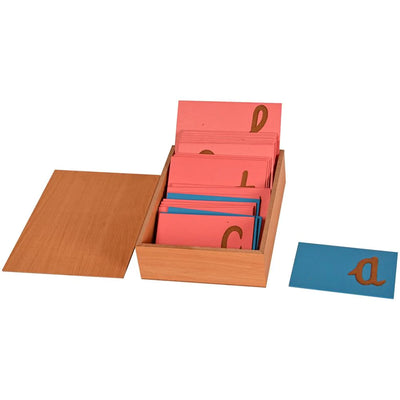
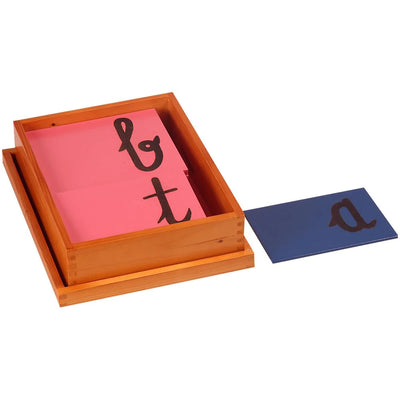
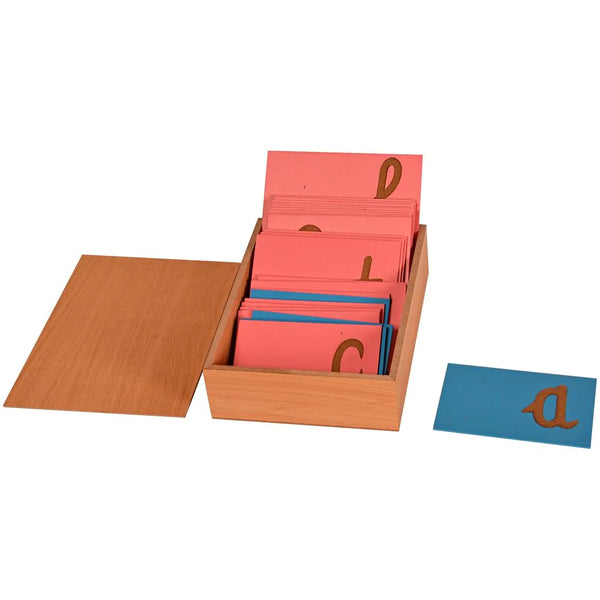
For a 3-5 year old, this translates to toys that offer a clear learning objective, are aesthetically pleasing, and allow for repetition and self-correction. For instance, the Pink Tower develops visual discrimination of size, while sandpaper letters introduce tactile literacy. These materials are not just toys; they are tools designed to foster concentration, independence, and a love for learning.
Key Criteria for Choosing Educational Toys for 3-5 Year Olds
Selecting the right educational toys requires thoughtful consideration beyond mere entertainment. Here are crucial criteria Indian parents should consider:
- Age-Appropriateness: Toys must align with the child's developmental stage, preventing frustration from being too difficult or boredom from being too simple. For 3-5 year olds, this means moving beyond basic cause-and-effect to more complex problem-solving.
- Open-Ended Play: Prioritize toys that can be used in multiple ways, encouraging creativity and imagination. Blocks, art supplies, and dress-up costumes are excellent examples that allow children to dictate the play scenario.
- Multi-Sensory Engagement: Toys that engage sight, sound, touch, and even smell enhance learning and retention. Textured objects, musical instruments, and materials with varying weights or temperatures stimulate broader neural pathways.
- Durability and Safety: Given the enthusiastic nature of preschoolers, toys must be robust and free from small, detachable parts that pose choking hazards. Always check for certifications and non-toxic materials, especially for products sourced for young children.
- Cultural Relevance: Integrating toys that reflect Indian culture, festivals, and stories can make learning more relatable and meaningful. This helps children connect with their heritage while developing universal skills.
Boosting Specific Skills with Preschool Development Toys
Targeted play with specific preschool development toys can significantly enhance a child's abilities across various domains. The growing national focus on Early Childhood Care and Education (ECCE) in India, highlighted by initiatives like 'Urban Childhood Matters,' underscores the importance of quality resources for holistic growth, whether in bustling Bengaluru or rural settings.
Cognitive Skills & Problem-Solving
To sharpen young minds, look for toys that require critical thinking and sequencing. Complex puzzles, building blocks, pattern-making sets, and simple board games are excellent. These toys help children understand cause and effect, develop spatial reasoning, and practice logical deduction, preparing them for mathematical concepts.
Language & Literacy Development
Encourage early literacy with storytelling props, alphabet tracing boards, and word-building activity kits. Role-playing sets, like a doctor's kit or a market stall, naturally prompt conversation and expand vocabulary. Reading aloud together, often a cherished activity with grandparents, further boosts language acquisition and imagination.
Social-Emotional Growth
As big personalities emerge, toys that foster social-emotional intelligence become vital. Dollhouses, puppet theatres, and diverse sets of figures encourage empathy, role-playing different social scenarios, and understanding emotions. Group games teach turn-taking, sharing, and cooperation, skills essential for school and joint family living.
Fine & Gross Motor Skills
Developing dexterity and coordination is crucial. For fine motor skills, consider threading beads, lacing cards, playdough, and small construction sets. Gross motor skills are honed through outdoor play, ride-on toys, balance boards, and active games that encourage running, jumping, and throwing, vital for healthy physical development.
Involving Family in the Learning Journey: An Indian Perspective
In the Indian family structure, grandparents often play a pivotal role in a child's upbringing, offering invaluable wisdom and time. Engaging the entire family in choosing and playing with educational toys enriches the learning experience significantly. A grandparent sharing stories while a child manipulates Montessori materials or an uncle helping assemble a complex puzzle fosters intergenerational bonding and diverse learning opportunities.
Creating a home environment that celebrates learning through play, perhaps by dedicating a 'learning nook' or involving children in festive preparations with educational crafts, reinforces the value of holistic development. These shared experiences, whether during Diwali preparations or a quiet afternoon with extended family, embed learning naturally within the fabric of Indian family life.
Making the Right Choice: Best Educational Toys for 3-5 Year Olds
Choosing the best educational toys for your 3-5 year old means observing their unique interests, understanding their developmental stage, and providing a rich, stimulating environment. Child development research consistently shows that well-selected toys are not just entertainment; they are fundamental tools for building resilience, creativity, and academic readiness.
SkilloToys.com offers a curated selection of Montessori-inspired and educational toys designed to support every facet of your child's holistic development. By prioritizing toys that encourage active engagement, problem-solving, and imaginative play, you empower your child to confidently step into school and thrive.
- Holistic development for 3-5 year olds encompasses cognitive, social, emotional, physical, and language skills.
- Open-ended educational toys are crucial for fostering creativity and problem-solving abilities.
- Maria Montessori's principles advocate for self-directed learning with purpose-built, age-appropriate materials.
- Well-chosen educational toys significantly prepare children for the academic and social demands of formal schooling.
- Engaging the entire family, including grandparents, enriches a child's learning journey through play.
- Prioritizing durability, safety, and cultural relevance in toy selection supports sustained, meaningful play.
What defines an educational toy for preschoolers?
An educational toy for preschoolers is specifically designed to stimulate learning and skill development in areas like cognitive thinking, fine motor skills, language acquisition, and social-emotional intelligence. These toys are typically open-ended, engaging, and age-appropriate, encouraging exploration and discovery rather than passive entertainment.
How do educational toys prepare children for school in India?
Educational toys prepare children for school by building foundational skills such as concentration, problem-solving, literacy, and numeracy, which are essential for academic success. They also foster social-emotional readiness, teaching children to share, cooperate, and express themselves effectively, crucial for classroom environments and navigating interactions with peers and teachers.
Are Montessori toys suitable for all 3-5 year olds?
Yes, Montessori toys are highly suitable for all 3-5 year olds because they are designed to be self-correcting, promote independent learning, and cater to a child's natural curiosity and developmental stages. These materials allow children to learn at their own pace, fostering concentration, fine motor skills, and a deep understanding of concepts through hands-on engagement.
What is the role of parents in toy selection and play?
Parents play a crucial role in toy selection by choosing age-appropriate, safe, and developmentally beneficial materials that align with their child's interests and learning goals. Active participation in play, observation of their child's interactions with toys, and creating a supportive learning environment significantly enhance the educational impact and bonding experience.
How can I encourage holistic development without overwhelming my child with too many toys?
You can encourage holistic development by focusing on quality over quantity and implementing a toy rotation system. This ensures children engage deeply with fewer, thoughtfully chosen items, preventing overstimulation and promoting sustained interest in specific skills, making the learning experience more focused and effective.