Wooden Puzzles for Kids: Boosting Preschooler Development
For Indian parents preparing their little ones for school and managing those spirited preschool personalities, finding the right activities is key. Wooden puzzles for kids are not just delightful playthings; they are foundational tools that significantly boost preschooler development, from fine motor skills to complex problem-solving. Child development experts widely agree that engaging with puzzles provides a rich environment for cognitive growth and lays crucial groundwork for future learning.
Wooden puzzles are carefully crafted educational materials designed to engage a child's mind and hands simultaneously. This matters immensely because they encourage focused attention, logical thinking, and persistence through challenges. Indian parents can integrate these simple yet powerful tools into daily routines, transforming playtime into impactful learning experiences for their 3-5 year olds.
The Undeniable Benefits of Wooden Puzzles for Preschoolers (3-5 Years)
The journey from toddlerhood to preschool is marked by incredible growth, and wooden puzzles are silent mentors in this phase. Research consistently shows that manipulating puzzle pieces strengthens fine motor skills, crucial for tasks like holding a pencil, buttoning a shirt, or tying shoelaces – skills highly valued in Indian schools. This precise hand movement also refines hand-eye coordination, a fundamental building block for writing and drawing.
Beyond physical dexterity, puzzles are powerful cognitive development puzzles. As a child attempts to fit a piece, they engage in problem-solving, spatial reasoning, and critical thinking. The satisfying 'click' when a piece fits correctly provides immediate positive reinforcement, encouraging them to persist. This process of trial and error, without adult intervention, is invaluable for building resilience and a growth mindset.
Puzzles for 3 Year Olds: Laying the Foundation
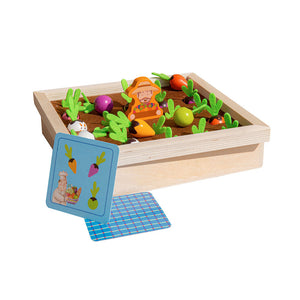
At three, children like Rhea in Bengaluru are exploring their world with boundless curiosity. Puzzles for 3 year olds should focus on basic shapes, simple animal figures, or chunky knobbed puzzles. These larger pieces are easy for small hands to grasp, developing the pincer grip essential for early writing. Montessori puzzles, with their clear, distinct shapes and self-correcting nature, are particularly effective here, encouraging independent exploration.
For a three-year-old, completing a 4-6 piece puzzle is a huge accomplishment, building confidence and concentration. Observing them work quietly for a few minutes, even amidst a bustling joint family, highlights the puzzle's ability to foster focused attention. This focused play is a wonderful way to prepare them for the structured environment of a nursery school.
Puzzles for 4 Year Olds: Building Complexity
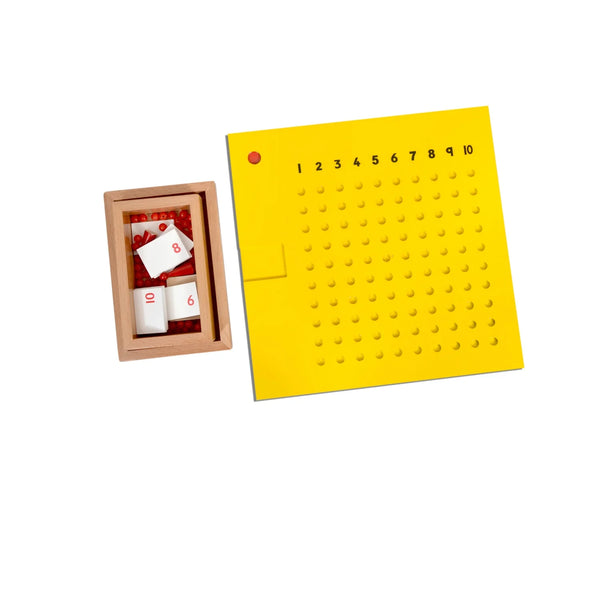
Four-year-olds, like little Vivaan getting ready for LKG, are ready for more intricate challenges. Puzzles for 4 year olds can range from 12-24 pieces, featuring themes like alphabets, numbers, or familiar scenes such as a park or a festival. These puzzles not only enhance problem-solving but also introduce early literacy and numeracy concepts.
Choosing educational puzzles for preschoolers that depict Indian cultural elements, like a puzzle of a Rangoli design or a traditional Indian musical instrument, can also be a wonderful way to connect learning with heritage. This age is perfect for encouraging them to describe what they see in the puzzle, boosting their language and descriptive skills.
Puzzles for 5 Year Olds: School Readiness & Beyond
As children approach five, school readiness becomes a significant focus for parents. Puzzles for 5 year olds, often with 24-48 pieces, can involve more complex pictures, maps, or even simple sequences. These demand greater attention to detail, advanced spatial reasoning, and sustained concentration – all crucial for primary school success.
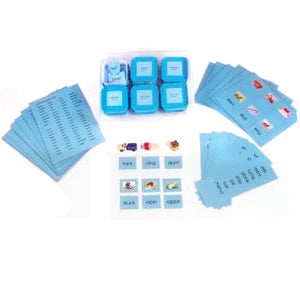
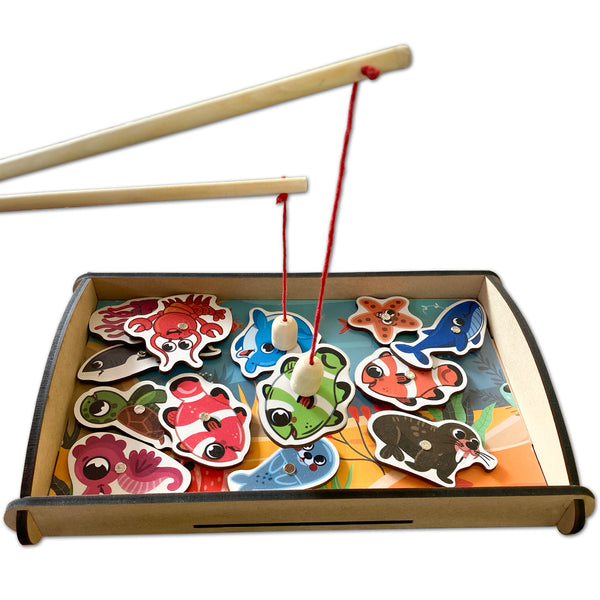
For children like Aarav, who might be a bit restless, the immersive nature of a wooden puzzle offers a calming, centering activity. The physical manipulation required can help channel excess energy into focused engagement, supporting self-regulation. SkilloToys offers a wide range of engaging puzzles and activity kits perfect for this age group.
Montessori Puzzles: The Power of the Prepared Environment
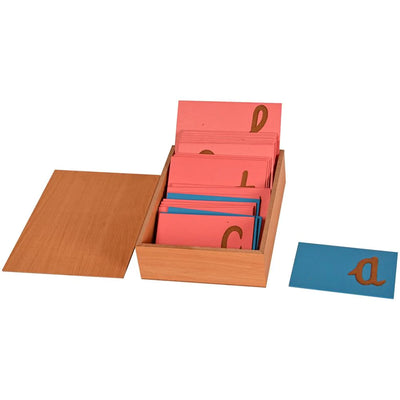
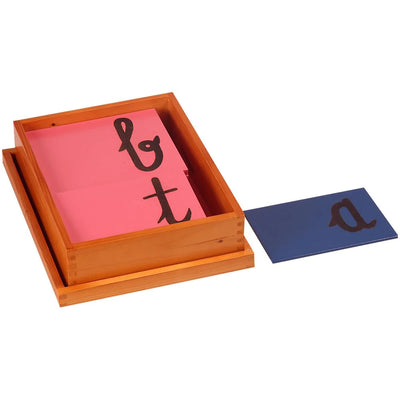
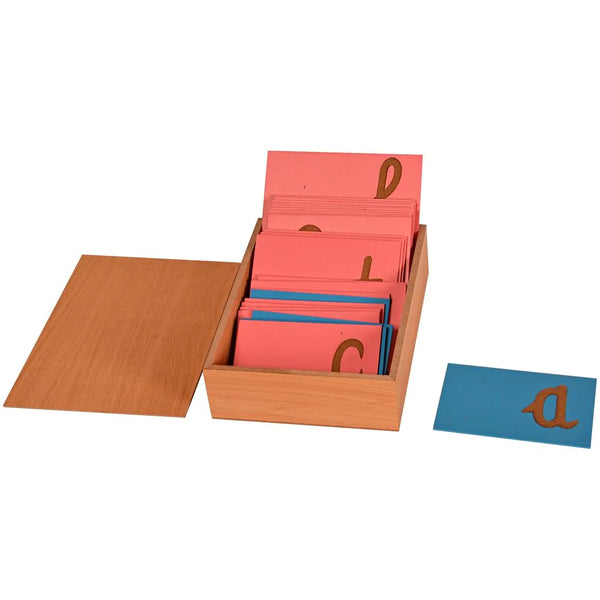
Maria Montessori's philosophy champions purposeful play, and Montessori puzzles exemplify this principle. These carefully designed wooden materials are often self-correcting, meaning the child can visually or tactilely identify when a piece is misplaced, fostering independence and reducing the need for adult intervention. This self-discovery builds intrinsic motivation and confidence, teaching children that errors are part of the learning process.
The emphasis on high-quality, natural materials like wood aligns perfectly with Montessori principles. The tactile experience of holding a smooth wooden piece, fitting it precisely, and completing a task independently empowers a child. This approach helps manage big personalities by providing a structured outlet for their innate drive to learn and master skills, offering a sense of control and accomplishment.
Choosing & Introducing Wooden Puzzles: A Parent's Guide
When selecting wooden puzzles for your child, consider their current developmental stage rather than just their chronological age. Look for puzzles with varying numbers of pieces and themes that align with their interests. For urban Indian homes, compact yet engaging puzzles are often ideal, easily stored and brought out for focused play.
Introduce puzzles one at a time, showing your child how to begin and then allowing them to explore independently. It's crucial to resist the urge to complete the puzzle for them. Instead, offer verbal encouragement and observe their process. NDTV's 'Urban Childhood Matters' initiative highlights the need for quality early childhood experiences; providing appropriate educational puzzles is a direct way to meet this need, fostering critical thinking in our bustling cities.
- Wooden puzzles are fundamental for developing fine motor skills and pincer grasp in 3-5 year olds.
- Engaging with puzzles builds critical problem-solving skills and spatial reasoning in young children.
- Montessori principles highlight puzzles as 'prepared activities' for focused, independent learning.
- Puzzles enhance concentration and attention span, vital for school readiness in preschoolers.
- The tactile nature of wooden puzzles offers sensory input beneficial for cognitive development.
- Frustration with puzzles fosters resilience and self-correction, key life skills for children.
What age is appropriate for wooden puzzles?
Wooden puzzles are appropriate for children starting from around 18-24 months with simple peg puzzles, extending through the preschool years (3-5 years) with increasing complexity. The key is to match the puzzle's difficulty to the child's developmental stage, not just their age.
How do wooden puzzles help with school readiness?
Wooden puzzles aid school readiness by developing fine motor skills for writing, concentration for classroom tasks, and problem-solving abilities for academic challenges. They also build persistence and independent work habits, which are essential for navigating a formal school environment.
Can wooden puzzles help with managing a child's big personality?
Yes, wooden puzzles can be excellent tools for managing a child's big personality by providing a calming and focused activity. The challenge and satisfaction of completing a puzzle can channel high energy into constructive engagement, promoting self-regulation and a sense of accomplishment.
What makes wooden puzzles durable for Indian homes?
Wooden puzzles are inherently durable due to the natural strength of wood, making them resistant to breakage and wear from frequent use. Their robust construction ensures they can withstand the active play common in Indian households, even across generations.
Where can I find high-quality educational puzzles for preschoolers in India?
You can find high-quality educational puzzles for preschoolers at SkilloToys.com, India's leading Montessori educational toys store. They offer a curated selection of wooden puzzles designed to support holistic child development, perfectly aligning with school readiness goals.