Toddler Physical Growth: Nutrition, Environment, & Support
Nurturing robust toddler physical growth involves much more than just active play; it fundamentally hinges on holistic factors like optimal nutrition, a stimulating environment, and strong foundational support. For Indian parents, understanding these interconnected pillars is crucial for fostering their child's overall well-being and long-term health, reflecting the broader national focus on child anthropometry and welfare.
As recent discussions, including the 'India’s national maternity benefit cash transfer program' highlighted in Nature, underscore the profound impact of external support on a child's physical development, it becomes clear that a comprehensive approach is vital. Parents can empower their toddlers by consciously integrating these elements into their daily lives, ensuring a strong foundation for their child's burgeoning independence and learning journey.
Toddler physical growth is the measurable increase in a child’s height, weight, and head circumference, alongside the development of gross and fine motor skills between one and three years of age. This matters because healthy physical development directly impacts cognitive abilities, emotional regulation, and social interaction. Indian parents can actively support this by providing balanced nutrition, ample movement opportunities, and a secure, engaging environment.
The Crucial Role of Toddler Nutrition for Development
Optimal toddler nutrition for development is the bedrock of robust physical growth. A well-balanced diet provides the essential energy and building blocks—proteins, vitamins, and minerals—necessary for developing strong bones, muscles, and a resilient immune system. Research shows that early childhood nutrition significantly impacts a child's anthropometric measurements and reduces the risk of developmental delays.
For Indian families, incorporating local, seasonal ingredients is key. Think nutrient-rich ragi porridge, wholesome dal, fresh paneer, and a colourful array of fruits and vegetables like mangoes and spinach. Experts agree that a diverse diet supports not just physical growth but also cognitive function. Encouraging self-feeding with child-friendly utensils also nurtures fine motor skills, a foundational aspect of Montessori learning materials.
Establishing consistent mealtime routines, free from distractions, helps toddlers develop healthy eating habits. Studies indicate that children who consume balanced meals regularly tend to have better concentration and energy levels for exploration and play, which are vital for physical development. Ensuring adequate iron intake, often a concern in India, is also crucial for preventing anemia and supporting overall vitality.
Creating a Stimulating Toddler Environment for Growth
A thoughtfully prepared toddler environment for growth empowers young children to explore, move, and develop their physical capabilities naturally. Maria Montessori championed the concept of a "prepared environment" – a space that is safe, accessible, and encourages independence and freedom of movement. This means child-sized furniture, open shelves for toys, and clearly defined areas for different activities within the home, be it a bustling joint family or a nuclear setup.
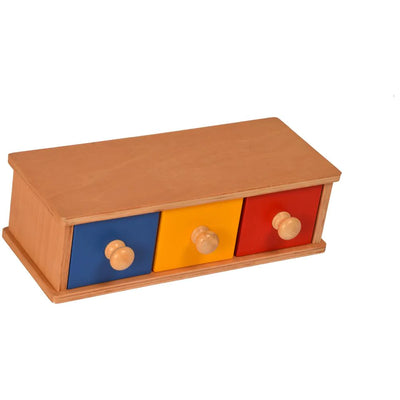
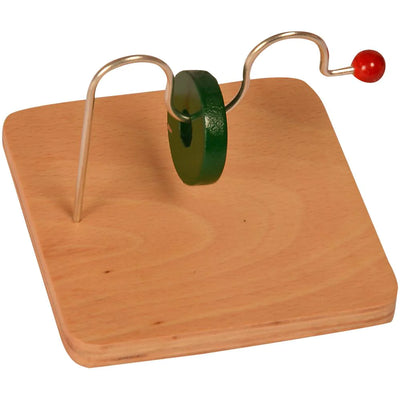
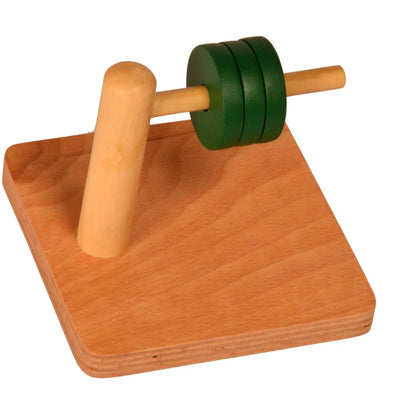
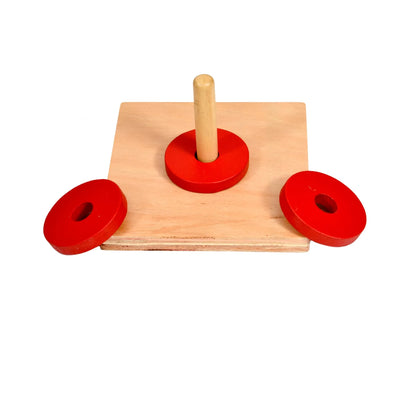
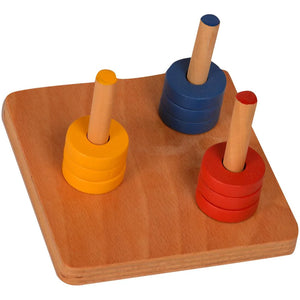
Providing ample opportunities for both gross and fine motor skill development is paramount. For gross motor skills, ensure space for running, jumping, and climbing – perhaps a safe outdoor area in the backyard or a nearby park. For fine motor development, activities like stacking blocks, threading beads, or manipulating puzzles are invaluable. SkilloToys offers a range of Montessori practical life activities that directly enhance these skills, preparing tiny hands for larger tasks.
Beyond structured activities, simply allowing toddlers to help with age-appropriate household chores, like putting away their clothes or watering plants, integrates physical development into daily life. This fosters not only physical coordination but also a sense of contribution and responsibility, crucial for a child's holistic growth journey in an Indian home.
Foundational Support and Healthy Toddler Development Factors
Beyond nutrition and immediate surroundings, robust healthy toddler development factors encompass a strong network of familial and community support. Parental involvement, consistent caregiving, and the loving presence of grandparents often found in Indian joint families, provide a secure base for a child's emotional and physical security. This emotional safety enables toddlers to confidently explore their world, thereby enhancing their physical learning and skill acquisition.
Nationally, efforts like India's maternity benefit cash transfer program underscore the government's recognition of foundational support's impact on child welfare. Such initiatives aim to improve maternal and child health outcomes, directly influencing what is termed child anthropometry explained for parents – simply put, the scientific measurement of a child's body dimensions like height, weight, and head circumference, which are key indicators of health and nutritional status. A positive anthropometric profile signifies healthy growth and development, crucial for thriving.
Moreover, the call for improved coordination in child development, as highlighted by organizations like CureAble and discussions at the BRICS Child Futures Forum, emphasizes the need for integrated health, nutrition, and early education services. India continues to make progress in reducing child mortality, as noted by UNICEF, but sustained efforts in these foundational areas ensure that every child, regardless of background, has the best possible start for healthy physical and cognitive development.
Montessori Principles Supporting Toddler Physical Development
The Montessori approach profoundly supports Montessori physical development by respecting the child's innate drive for movement and independence. Dr. Maria Montessori observed that movement is essential for a child's learning, not separate from it. Her method encourages purposeful movement through carefully designed activities that refine both gross and fine motor skills, fostering coordination, balance, and strength.
In a Montessori environment, children engage with materials that invite interaction and manipulation. Activities like pouring water, buttoning clothes, or carrying trays (practical life activities) build hand-eye coordination and muscle strength. For example, using the Montessori Pink Tower involves lifting and stacking blocks of varying sizes, directly enhancing gross motor control and spatial awareness. Similarly, working with Sandpaper Letters develops the fine motor control needed for writing.
This child-led exploration within a prepared environment allows toddlers to challenge themselves physically at their own pace, fostering self-confidence and a love for movement. By integrating these principles into Indian homes, parents can provide a rich landscape for their toddler's physical growth, transforming everyday activities into opportunities for developmental milestones.
Nurturing your toddler's physical growth is a dynamic and deeply rewarding journey that extends far beyond simple play. By focusing on a foundation of optimal nutrition, a stimulating and supportive environment, and strong family and community ties, Indian parents can truly empower their little ones. Embracing these interconnected pillars ensures not just healthy anthropometric development, but a confident, capable child ready to explore the world with curiosity and joy.
- Optimal nutrition, a stimulating environment, and foundational support are critical for robust toddler physical growth.
- Healthy physical development in toddlers directly impacts their cognitive and emotional well-being.
- Indian parents should integrate nutrient-rich local foods and establish consistent mealtime routines for their toddlers.
- A Montessori-inspired prepared environment encourages freedom of movement and enhances both gross and fine motor skills.
- Government programs and community support, like India’s maternity benefit scheme, play a vital role in national child anthropometry.
- The Montessori method leverages purposeful movement and practical life activities to foster comprehensive physical development.
What are the primary indicators of healthy toddler physical growth?
The primary indicators include consistent gains in height, weight, and head circumference, along with the progressive development of gross motor skills (like running and jumping) and fine motor skills (like holding a crayon or stacking blocks). These measurements and abilities are often tracked by pediatricians during routine check-ups in India.
How does nutrition specifically support a toddler's physical development?
Nutrition provides the essential building blocks for bone density, muscle mass, and organ development. A diet rich in proteins, healthy fats, vitamins (especially D and C), and minerals (like calcium and iron) fuels rapid growth spurts and supports overall energy levels for active exploration.
Can a home environment truly impact a toddler's physical growth?
Yes, a well-structured home environment significantly impacts physical growth by providing safe spaces for movement, opportunities for sensory exploration, and access to age-appropriate materials. This encourages independent physical activity and the refinement of motor skills, crucial for development.
What role do Montessori activities play in physical development for 1-3 year olds?
Montessori activities foster physical development by encouraging purposeful movement, refining motor skills, and enhancing coordination through practical life exercises and sensory exploration. These activities allow toddlers to develop strength, balance, and dexterity at their own pace.
How do government programs relate to a toddler's physical growth?
Government programs, such as India’s national maternity benefit scheme, can significantly impact a toddler's physical growth by improving maternal health and early childhood nutrition. These initiatives aim to reduce malnutrition and ensure children have a healthy start, influencing overall anthropometric outcomes.