Wooden Toys for Kids: Essential for Toddler Growth
High-quality wooden toys for kids are undeniably essential for fostering holistic development in toddlers aged 1-3 years, providing unparalleled benefits for cognitive, motor, and socio-emotional growth. Research consistently demonstrates that the natural textures and open-ended nature of wooden toys actively engage a child's senses and imagination, laying crucial foundations for future learning and problem-solving abilities. As the Ministry of Women and Child Development continues to review schemes focused on early childhood, choosing developmentally appropriate tools becomes even more critical for every child's future.
What are Wooden Toys?
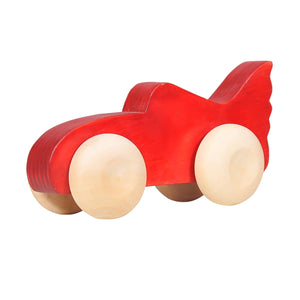
Wooden toys are play materials crafted primarily from natural wood, designed to be durable, safe, and often open-ended, promoting imaginative and skill-based learning. This matters because such simplicity encourages children to be active participants in their play, rather than passive observers. Indian parents can confidently choose these toys to provide a sustainable and enriching play environment.
Wooden Toys for Kids: Building Foundational Skills (1-3 Years)
During the crucial 1-3 year phase, a toddler's brain is rapidly developing connections, making every interaction a learning opportunity. Educational wooden toys for toddlers are specifically designed to tap into this intense period of growth. Child development experts, including those whose insights contribute to initiatives like the BRICS Child Futures Forum, highlight how open-ended play with natural materials supports crucial neural pathways.
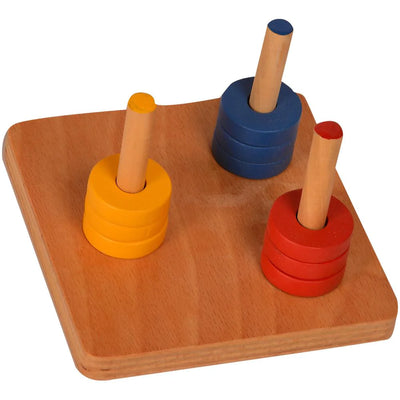
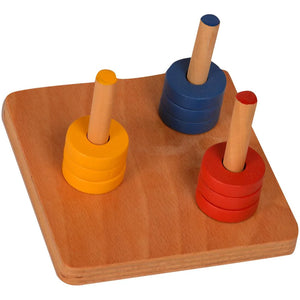
For instance, stacking wooden rings or fitting shapes into a wooden sorter enhances fine motor skills and hand-eye coordination. These are not just fun activities; they are direct training for future tasks like writing, buttoning clothes, and managing daily activities independently. The tactile feedback from wood — its weight, texture, and temperature — provides rich sensory input that plastic often lacks, enriching a child's understanding of the physical world around them.
The Tangible Benefits of Wooden Toys for Holistic Growth
The array of benefits of wooden toys extends far beyond basic skill development. One non-obvious insight is that the very simplicity of wooden toys is their greatest strength. Unlike electronic toys that dictate play with pre-programmed sounds and lights, wooden toys demand that the child be the 'doer' and 'thinker'. This necessity to invent scenarios, make decisions, and imagine possibilities directly cultivates creativity, problem-solving, and executive function skills.
Moreover, their durability means wooden toys can withstand vigorous play and often become cherished items passed down through generations in Indian joint families, creating a sense of continuity and shared history. Studies indicate that toys that encourage active participation rather than passive reception are more effective in fostering sustained attention and deeper cognitive engagement. This hands-on engagement is paramount, especially as new initiatives like India's Deep Connection focus on detecting developmental delays early — emphasizing the need for robust developmental support from infancy.
Choosing the Best Wooden Toys for 1-3 Year Olds
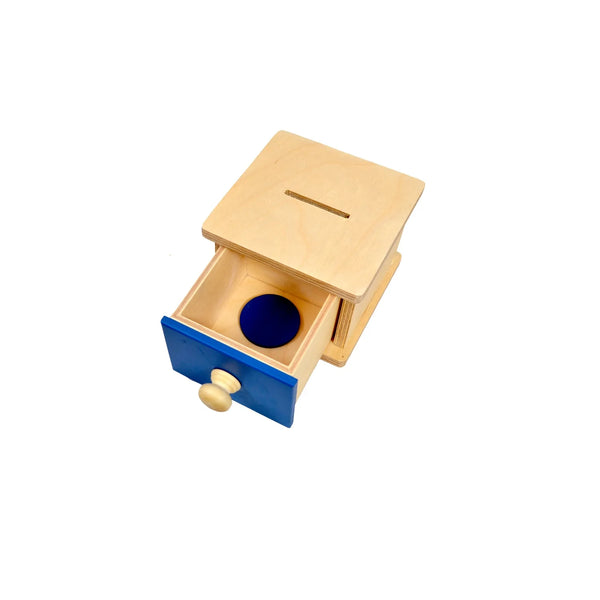
Selecting the right toddler development toys is key to maximising their benefits. For children aged 12-18 months, simple wooden push-pull toys, large building blocks, and nesting cups are ideal for developing gross motor skills and understanding spatial relationships. As they approach 18-24 months, stackers with varying sizes, basic puzzles, and wooden animal figures can introduce concepts of order, size, and imaginative play. You can explore a wide range of these foundational learning materials on our Montessori educational toys collection.
For 2-3 year olds, who are refining their coordination and embarking on more complex imaginative play, look for wooden sorting games, lacing beads, and pretend play sets like a small wooden kitchen or tool bench. These activities foster logical thinking, fine motor dexterity, and social-emotional development through role-playing. When choosing for a child like 3-year-old Aarav in a Bangalore apartment, ensure the toys are robust enough for daily use and designed to encourage independent exploration, rather than passive entertainment.
Montessori Wooden Toys: A Timeless Investment
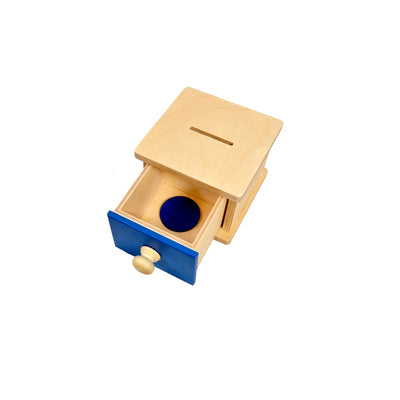
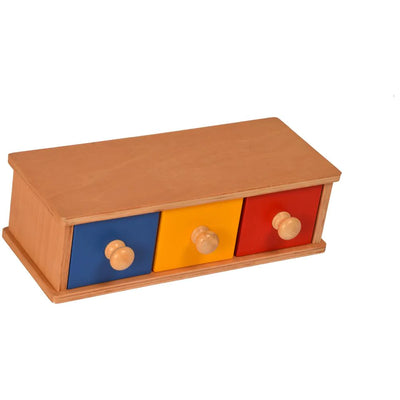
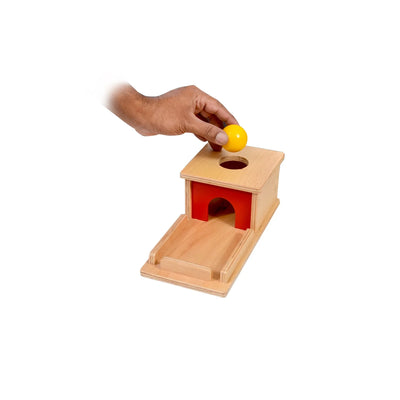
The philosophy of Maria Montessori champions the use of natural, aesthetically pleasing materials that engage a child's senses and facilitate self-correction. Montessori wooden toys exemplify this approach, offering materials that are purposeful, self-contained, and designed to isolate a single learning concept. From the Pink Tower to the Cylinder Blocks, each piece is meticulously crafted to support a child's innate drive to learn and explore.
Investing in Montessori wooden toys from a reputable source like SkilloToys.com means providing your child with tools that align with proven pedagogical principles. These toys aren't just for momentary fun; they are carefully designed learning apparatuses that build concentration, order, practical life skills, and a love for independent discovery. They encourage children to master concepts at their own pace, fostering confidence and a strong foundation for future academic success, a priority for many Indian parents.
Incorporating wooden toys into your toddler's play routine is more than just a choice for aesthetics; it's a profound investment in their cognitive, emotional, and physical well-being. By choosing these enduring, open-ended tools, you empower your child to explore, imagine, and develop essential life skills, ensuring they receive the rich, stimulating environment every child deserves. Engage with your child during play — observe their creativity, ask open-ended questions, and allow them the freedom to lead their own learning journey.