Board Games for Kids: India's Guide to Educational Fun
Educational board games for kids are not just a source of fleeting fun; they are powerful, structured learning tools that significantly contribute to a child's holistic development. Research consistently shows that engaging with board games helps cultivate critical thinking, problem-solving, and social-emotional intelligence, skills highly valued in India's dynamic educational landscape. For Indian parents, these games offer an invaluable avenue for screen-free engagement and meaningful family connection.
As screen time concerns rise in urban India, and parents seek quality interactions, the simple board game offers a profound solution. They are the perfect way to spend those precious 15 minutes a day reconnecting with your child, fostering a bond that goes beyond daily routines and academic pressures.
What are Educational Board Games?
Educational board games are structured play activities designed with specific learning outcomes in mind, often incorporating elements of strategy, memory, logic, or communication. This matters because they provide a "prepared environment," a core Montessori principle, where children can explore concepts and practice skills at their own pace. Indian parents can thoughtfully select these games to complement formal schooling, reinforce values like patience and fair play, and foster invaluable family bonding.
Benefits of Board Games for Children: Beyond Just Play
Child development experts agree that play is a child's natural language for learning, and board games speak this language fluently. They are mini-classrooms disguised as entertainment, offering a myriad of advantages for a child's developing mind and personality.
Developing Cognitive and Executive Functions
Playing educational board games for kids is a robust workout for the brain. Children learn to strategise, anticipate moves, and understand cause and effect. Studies indicate that regular engagement with strategic board games can improve a child's working memory and cognitive flexibility, critical for subjects like mathematics and language. For a 7-year-old in Bengaluru, mastering a game like Chess or a logic puzzle can translate directly into improved focus during schoolwork.
The Indian focus on academic excellence often leads parents to seek 'brainy' apps or workbooks. However, foundational skills like executive function (planning, working memory, inhibitory control) – which are critical for future academic success – are robustly developed through hands-on, interactive experiences like board games. These aren't just 'time pass'; they're crucial 'brain workouts' that build the scaffolding for complex learning.
Fostering Social-Emotional Growth
In a joint family setup, or even a nuclear one, learning to interact respectfully is key. Board games teach invaluable social skills such as turn-taking, sharing, and patience. The thrill of winning and the disappointment of losing become opportunities to develop emotional regulation and resilience. For a child like Aarya, celebrating her friend's win or gracefully accepting defeat in a game of Ludo helps her navigate complex social situations with empathy.
Choosing the Best Board Games for Kids in India: Age and Skill-Wise
Selecting the right game is crucial to ensure engagement and maximise learning. Consider your child's developmental stage, interests, and the specific skills you wish to nurture. For toddlers (1-3 years), simple matching games or stacking puzzles introduce basic concepts without complex rules.
As children grow older, from ages 3 and up, they are ready for games requiring memory, simple counting, and basic strategy. Think of classics like Snakes and Ladders for number recognition and patience, or innovative educational board games India offers that focus on Indian culture or storytelling. Observe your child's readiness for rules and their attention span.
Montessori Board Games for Kids: The Power of Purposeful Play
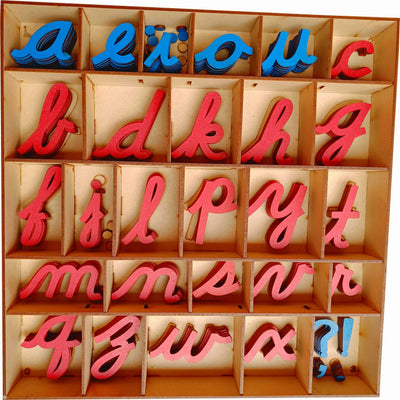
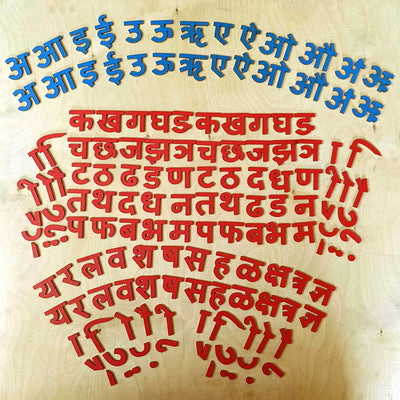
Maria Montessori's philosophy emphasises learning through purposeful activity within a prepared environment. While she didn't create 'board games' per se, many modern educational board games embody these principles. They are often self-correcting, allowing children to learn from their mistakes independently, and designed to isolate a single concept for focused learning, much like Montessori materials such as the Pink Tower or Sandpaper Letters.
Look for games that encourage hands-on exploration, sensorial engagement, and problem-solving without excessive adult intervention. These are the true Montessori-aligned games that empower children to discover and master concepts at their own pace, fostering a deep love for learning rather than rote memorisation.
Family Board Games India: Strengthening Bonds, Creating Memories
Board games are more than just toys; they are conduits for connection. In Indian homes, where intergenerational living is common, a game of Carrom or a lively session of UNO often becomes a vibrant gathering. Grandparents, parents, and children all come together, sharing laughter, stories, and healthy competition.
This shared experience, much like the practice of putting children's artwork on the fridge, signals appreciation and creates lasting family memories. Playing activity kits or engaging board games together helps bridge generational gaps, fosters open communication, and reinforces family values in a fun, natural way.
Integrating Board Games into Your Indian Family's Routine
Making board games a regular part of your family life doesn't require hours. Even 15-20 minutes a few times a week can yield significant benefits. Perhaps it's a quick game before dinner, or a dedicated 'game night' during the weekend. Let your child choose the game sometimes to empower them and boost their enthusiasm.
Encourage discussion about the game: "What was your best move?" "How did you feel when you lost?" This helps children articulate their thoughts and emotions, developing crucial language and empathy skills. For busy parents in metropolitan cities like Mumbai or Delhi, this focused, screen-free interaction can be a vital ritual to reconnect and unwind with their little ones.
Choosing educational board games for kids is an investment in their future. By thoughtfully selecting games that align with their developmental stage and educational goals, Indian parents can provide a powerful blend of entertainment and enrichment. Explore SkilloToys' curated collection of educational games to find the perfect fit for your family and embark on a journey of joyful learning together.