Educational Toys for Indian Kids: Your Buying Guide
Choosing the right educational toys for Indian kids goes beyond simply picking 'smart' playthings. True educational toys are specifically designed play materials that engage children in learning specific skills or concepts through hands-on exploration and discovery, rather than passive entertainment. They are crucial for developing cognitive abilities, problem-solving, and creativity, laying a strong foundation for a child's holistic growth within the dynamic Indian home environment.
In a world where parents constantly navigate academic pressures and societal expectations, understanding the true value of purposeful play is essential. This guide empowers Indian parents and gift-buyers to make informed choices, ensuring every toy brought home contributes meaningfully to a child's development.
What are Educational Toys?
Educational toys are purposeful play tools crafted to stimulate a child's cognitive, physical, emotional, and social development through active, guided engagement. Unlike typical playthings focused purely on entertainment, these toys have specific learning objectives, encouraging exploration and skill acquisition. This matters because they move children beyond rote learning, fostering a genuine love for discovery and critical thinking. Indian parents can leverage these toys to prepare their children not just for school, but for life's broader challenges, promoting adaptability and resilience.
The Undeniable Benefits of Educational Toys for Kids
The impact of well-chosen educational toys extends far beyond early academics; they are fundamental for fostering a child's overall development. Research by early childhood experts, including the National Association for the Education of Young Children, consistently shows that children who engage with educational toys demonstrate enhanced problem-solving abilities and a greater curiosity for learning. These benefits are particularly vital for Indian children, preparing them for an increasingly complex world.
Firstly, these toys significantly boost cognitive development. They challenge children to think critically, solve problems, and understand cause-and-effect relationships. Whether it's a puzzle that requires spatial reasoning or a building set that teaches balance and stability, these experiences build the neural pathways essential for higher-level thinking.
Secondly, educational toys refine motor skills. Fine motor skills, like the pincer grip developed while stacking small blocks or manipulating beads, are crucial precursors to writing and self-care. Gross motor skills, fostered by balancing games or active play equipment, contribute to physical coordination and confidence. These foundational skills are often overlooked in favour of academic drills but are equally important for a child's readiness for school and daily life.
Lastly, educational play nurtures vital social-emotional skills. Role-play toys encourage empathy and communication as children act out different scenarios. Collaborative building projects teach sharing and negotiation – skills essential for thriving in a joint family setup or during playdates. Dr. Maria Montessori's philosophy, for instance, emphasizes purposeful activity that builds concentration and independence, directly contributing to a child's self-regulation and emotional intelligence.
Choosing the Best Educational Toys: A Parent's Checklist
With countless options available, selecting the best educational toys can feel overwhelming. The key is to look beyond flashy packaging and consider what truly serves your child's unique developmental journey. Here's a checklist tailored for Indian parents:
1. Age-Appropriateness and Developmental Stage
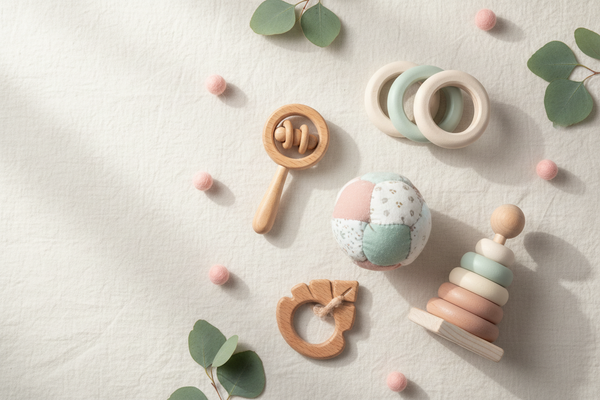
While toy boxes offer age recommendations, observe your child's readiness rather than strictly following labels. A 12-month-old exploring textures and sounds might enjoy sensory-rich toys, while an 18-month-old toddler might be ready for simple shape sorters or stacking rings. For a 4-year-old in a Bengaluru preschool, complex logic puzzles or early STEM activity kits might be more engaging. The goal is a gentle challenge, not frustration.
2. Child's Interests and Personality
Does your child, like young Rishi in Delhi, love animals? Then animal-themed puzzles, matching games, or even a farm set can be incredibly educational. If your daughter, Aarya, enjoys pretending to cook with her Dadi, a child-sized kitchen set encourages imaginative play and language development. Aligning toys with existing interests ensures engagement and deeper learning.
3. Open-Ended Play vs. Single-Purpose Toys
This is where the magic often happens. The seemingly 'boring' wooden blocks that a Dadi brings from the market often foster more creativity and problem-solving than a flashy battery-operated toy that does all the work. A 2018 study published in the journal 'Trends in Neuroscience and Education' highlighted that open-ended play significantly improves divergent thinking, a key component of creativity, more so than structured play with single-function toys. Toys that require the child to imagine, create, and adapt are invaluable for brain development.
4. Safety, Durability, and Materials
In Indian homes where toys are often shared across generations and kept for years, durability is paramount. Opt for non-toxic, sturdy materials like wood, fabric, or high-quality plastics. Ensure there are no small, detachable parts that could pose a choking hazard for younger children, and always check for smooth edges and robust construction. This ensures the toy is a safe companion for years of play.
5. Alignment with Montessori Educational Toys India Principles
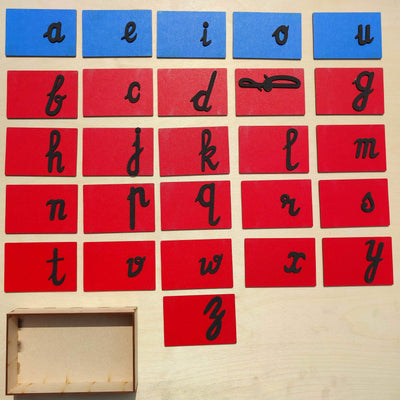
Montessori education champions self-directed activity, hands-on learning, and collaborative play. Montessori educational toys, often made from natural materials, encourage children to learn through discovery. Examples like the Pink Tower for spatial reasoning, sandpaper letters for tactile literacy, or practical life tools for daily skills, offer self-correcting features, allowing children to learn from their own exploration without constant adult intervention. This approach respects the child's innate drive to learn and explore their environment.
Types of Educational Toys for Every Indian Home
Understanding the categories of educational toys can simplify your choices, whether you live in a sprawling joint family home or a cozy metro apartment:
- Fine Motor & Practical Life Toys: These include beading sets, lacing toys, sorting trays, and transfer activities. They refine hand-eye coordination and prepare children for daily tasks like buttoning shirts or using cutlery.
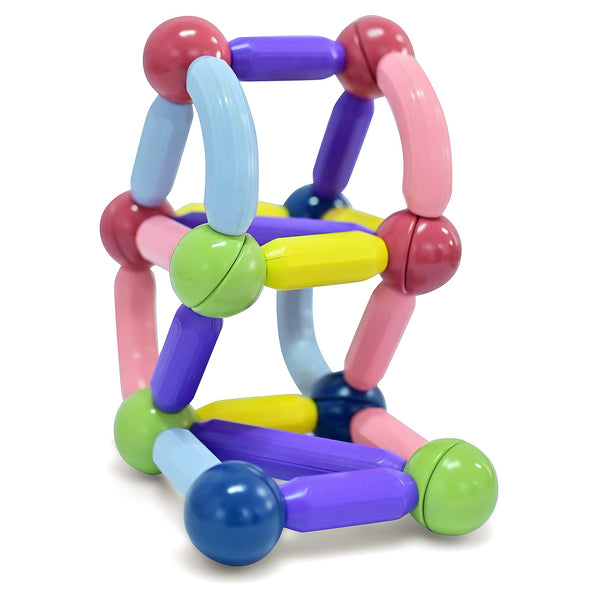
- Cognitive & Problem Solving Toys: Puzzles, building blocks, logic games, and shape sorters fall into this category. They challenge children to think strategically, identify patterns, and find solutions, crucial skills for a child learning in a bustling Indian household.
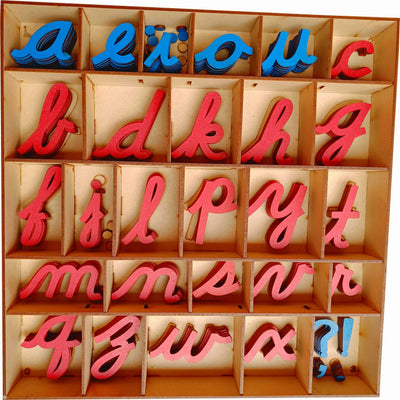
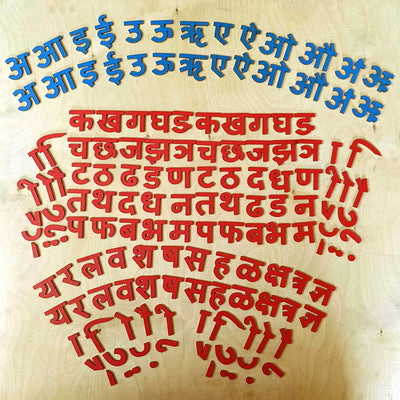
- Language & Literacy Toys: Story cards, alphabet puzzles, word-building games, and puppets stimulate language development, vocabulary, and early reading skills. These are excellent for supporting both English-medium and mother-tongue learning.
- Sensory Exploration Toys: Playdough, textured blocks, water tables, and sand play materials engage multiple senses, crucial for early brain development. These help children understand the world through touch, sight, and sound.
- Role Play & Imaginative Toys: Doctor sets, kitchen sets, and dress-up costumes encourage children to mimic real-life scenarios, fostering empathy, social skills, and creative storytelling. Imagine your child playing 'ghar ghar' with a toy kitchen, understanding family roles.
Integrating Educational Play into Daily Indian Life
The true power of educational toys isn't just in owning them, but in how they're integrated into your child's daily rhythm. You don't need dedicated 'playroom' time. A simple puzzle can be a quiet activity while you prepare dinner. A set of blocks can turn into a magnificent fort during a weekend visit to grandparents, encouraging intergenerational play and storytelling. As parents consider what Gen Z wants them to understand – particularly around strength and independence – providing tools for self-directed growth is key.
Even amid the urban tension between screen time and outdoor play, well-chosen educational toys offer compelling, tangible alternatives. They provide opportunities for children to actively engage their minds and bodies, fostering a love for learning that extends beyond the classroom. The habit of Dadi's stories or a grandparent's patient guidance with a traditional game inherently builds language and cognitive skills, just like a modern storytelling toy. Tonight, observe your child during play: are they passively consuming, or actively creating and exploring? Let that observation guide your next intentional toy choice.